Ruaha National Park
Baobabs, Predators in Quiet Ruaha
Vast, low-crowd wilderness where giant herds and big predators still rule today.
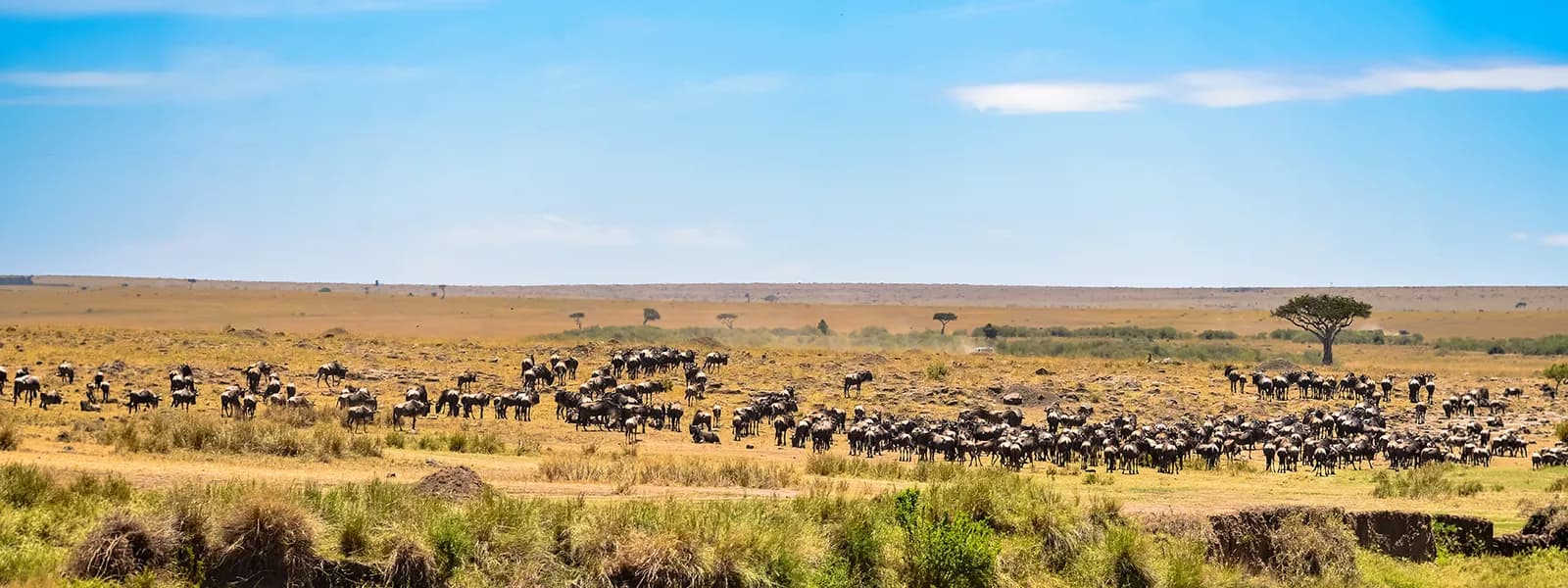
Ruaha National Park doesn’t feel curated. It feels wide open and slightly unfinished, like the bush is still deciding what to reveal. Heat sits low over the plains, baobabs stand like old guardians, and the Great Ruaha River quietly keeps everything alive.
You don’t see many vehicles here. That’s the first thing guests notice on a Ruaha Safari. The second is the size of it all: valleys, hills, space. Camps are few, distances are big, and silence gets under your skin in a good way.
Then the wildlife steps in. Elephants in serious numbers drift in to drink, lions move in big family groups, and wild dogs cut across the open ground like shadows. Birdlife is intense if you actually stop and listen—hornbills, raptors, storks, a constant quiet chorus above the drama.
Ruaha isn’t the easiest first stop for a Tanzania Safari. It’s the one people remember years later.
Loading safaris…

14 Days Mid-range Wildlife Drive-in Safari
14 Days
Tanzania
Tanzania Safari Tours often promise a lot, but this journey finds its own way of surprising you. Fourteen days unfold across landscapes that feel both untamed and familiar—Tarangire’s slow-moving elephants, Manyara’s soft forests, and Serengeti’s vast, breathing plains. Then comes Ngorongoro, a world hidden inside a globe. By the time Zanzibar’s quiet beaches take over the rhythm, the trip feels less like an itinerary and more like a story slipping into place, one moment at a time.
On Request

8 Days Fly-In Drive-Out Budget Cultural Safari
8 Days
Tanzania
Eight days stretch out in front of you, each carrying its own rhythm and small surprises. A quick flight lifts you straight into northern Serengeti, where the landscape feels wider than expected, and the wildlife moves with purpose. Central Serengeti deepens the pace, showing its tougher, wilder side. Ngorongoro pulls you inward with its sheer depth and crowded crater floor. Lake Manyara adds colour and bird calls. Tarangire closes the journey with elephants and tall, stubborn baobabs. Everything feels connected by the end of this Safari in Tanzania.
On Request

7 Days Wildlife Budget Cultural Fly in Safari
7 Days
Tanzania
This week-long Tanzania Safari keeps shifting between excitement and stillness. The Serengeti brings the big, bold moments—lions moving through grass, herds stretching far ahead. Ngorongoro adds weight with its vast crater and thick concentration of wildlife. Lake Manyara softens the days with forests, birds, and a few unexpected sightings. Ending with the Hadzabe gives the journey a human heartbeat, something you remember long after the wildlife fades from view.
On Request

12 Days Mid-Range Cultural Drive in Safari
12 Days
Tanzania
This 12-day journey gathers some of the most meaningful Safaris in Tanzania into one slow, steady route. Tarangire sets the tone with elephants and open country. Lake Eyasi adds culture and connection. The Serengeti widens everything—sky, distance, and the feeling of being part of something larger. Ngorongoro brings wildlife even closer, and Zanzibar closes the trip with calm shores and warm evenings. Each part shifts gently into the next, creating a well-paced adventure.
On Request

9 Days Drive-in Drive-out Budget Wildlife Safari
9 Days
Tanzania
Nine days stretch wide across Tanzania, each carrying its own kind of wonder. Tarangire begins the story with elephants moving through dust-light, then Lake Manyara shifts the mood with forests, birds, and quiet water. Serengeti changes everything—first the open central plains, then the softer southern grasslands where life gathers in significant numbers. Ngorongoro deepens the journey with its ancient crater, which holds wildlife tightly together. These Tanzania Safari days feel long in the best way, shaped by early starts, moving herds, and unexpected stillness.
On Request

7 Days Drive-In Drive-Out Luxury Safari
7 Days
Tanzania
Luxury on the road feels different here. It’s slower, softer, almost deliberate. Tarangire begins the journey with quiet mornings and elephants drifting like old secrets across open spaces. The Serengeti stretches the days wide, letting you fall into its rhythm without noticing. Ngorongoro lifts and lowers your breath with its deep, ancient bowl of life. Manyara closes the week in a forest humming with stories. These seven days on a Safari in Tanzania are shaped by comfort but grounded in the raw truth of the land.
On Request

6 Days Drive-in Drive Out Mid-Range Wildlife Safari
6 Days
Tanzania
This Tanzania Safari Package involves a road journey that grows fuller with every mile. Tarangire wakes the trip with big skies and slow-moving elephants. The Serengeti stretches everything wider, letting the days feel longer than they are. Ngorongoro pulls you downward into a world that feels almost protected from time. Manyara finishes the story in a forest where monkeys chatter before the sun settles. Six days, many moods, and a safari that feels neither rushed nor polished—just authentic, steady, and deeply memorable.
On Request

5 Days Cultural Budget Fly-in- Safari
5 Days
Tanzania
This five-day fly-in Tanzania safari gives you a fast, exciting sweep across Tanzania’s most iconic landscapes without losing the small, human moments that make travel feel real. You fly straight into the Serengeti, touch the Ngorongoro Crater floor, and drift through Tarangire’s warm, elephant-filled valleys. It’s a trip built for travelers who want the wild up front but prefer simple, grounded comfort throughout. Each day feels different, carrying its own rhythm, its own surprise, its own story.
On Request

3-Days Tanzania Safari
3 Days
Tanzania
A 3-day Tanzania safari moves fast, yet somehow settles deeply. You arrive, travel-tired and with a quiet spark of excitement, and the country meets you softly. Tarangire wakes you up with elephants drifting between baobabs, dust rising like a slow breath. Ngorongoro pulls you into a world that feels older than anything you know. Three days aren’t long, but they hold enough wonder to stay with you long after you’re home.
On Request
14 Days Mid-range Wildlife Drive-in Safari
14 Days
Tanzania
Tanzania Safari Tours often promise a lot, but this journey finds its own way of surprising you. Fourteen days unfold across landscapes that feel both untamed and familiar—Tarangire’s slow-moving elephants, Manyara’s soft forests, and Serengeti’s vast, breathing plains. Then comes Ngorongoro, a world hidden inside a globe. By the time Zanzibar’s quiet beaches take over the rhythm, the trip feels less like an itinerary and more like a story slipping into place, one moment at a time.
On Request
8 Days Fly-In Drive-Out Budget Cultural Safari
8 Days
Tanzania
Eight days stretch out in front of you, each carrying its own rhythm and small surprises. A quick flight lifts you straight into northern Serengeti, where the landscape feels wider than expected, and the wildlife moves with purpose. Central Serengeti deepens the pace, showing its tougher, wilder side. Ngorongoro pulls you inward with its sheer depth and crowded crater floor. Lake Manyara adds colour and bird calls. Tarangire closes the journey with elephants and tall, stubborn baobabs. Everything feels connected by the end of this Safari in Tanzania.
On Request
7 Days Wildlife Budget Cultural Fly in Safari
7 Days
Tanzania
This week-long Tanzania Safari keeps shifting between excitement and stillness. The Serengeti brings the big, bold moments—lions moving through grass, herds stretching far ahead. Ngorongoro adds weight with its vast crater and thick concentration of wildlife. Lake Manyara softens the days with forests, birds, and a few unexpected sightings. Ending with the Hadzabe gives the journey a human heartbeat, something you remember long after the wildlife fades from view.
On Request
12 Days Mid-Range Cultural Drive in Safari
12 Days
Tanzania
This 12-day journey gathers some of the most meaningful Safaris in Tanzania into one slow, steady route. Tarangire sets the tone with elephants and open country. Lake Eyasi adds culture and connection. The Serengeti widens everything—sky, distance, and the feeling of being part of something larger. Ngorongoro brings wildlife even closer, and Zanzibar closes the trip with calm shores and warm evenings. Each part shifts gently into the next, creating a well-paced adventure.
On Request
Wilderness Without Crowds
Details Of Ruaha National Park
Ruaha National Park sits in southern Tanzania, a vast, quietly spectacular stretch of bush wrapped around the Great Ruaha River and its seasonal tributaries. It’s now the largest national park in the country, yet only a handful of camps share all that space, which is why a Ruaha Safari often feels like you’ve been handed your own private reserve.
The park sits in a crossover zone between southern miombo woodland and the open savannah typical of northern Tanzania. That overlap brings a rare mix of species from both regions—antelope that “belong” further south, and others more at home in Kenya-style country.
Days here are shaped by the rhythm of the river: in the dry season, animals pull closer and closer to permanent water; in the rains, the bush softens, greens, and spreads them back out again.
Access To Ruaha National Park
Ruaha feels far, and that’s part of its charm. It lies a long way from Dar es Salaam by road, so most travellers choose to fly. Small safari aircraft run regular scheduled flights from Dar, Nyerere National Park, and sometimes from Arusha or the northern circuit. You land on a dusty airstrip, step down into heat and birdsong, and your camp guide is there waiting with a cold drink and an open vehicle.
From there, transfers become game drives. You might see elephants before you see your room. For Tanzania Travel planners, this means Ruaha fits beautifully into a fly-in circuit: Dar → Nyerere → Ruaha → Zanzibar, or combined with other southern parks for a quieter, deeper version of Tanzania Safaris.

Things To Do In Ruaha National Park
Explore wild landscapes, elephant herds, predators, baobabs, and river life.
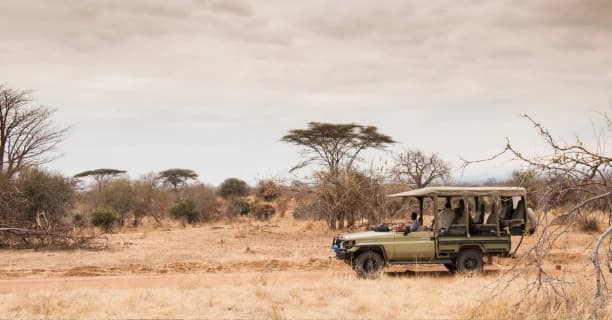
Long Game Drives
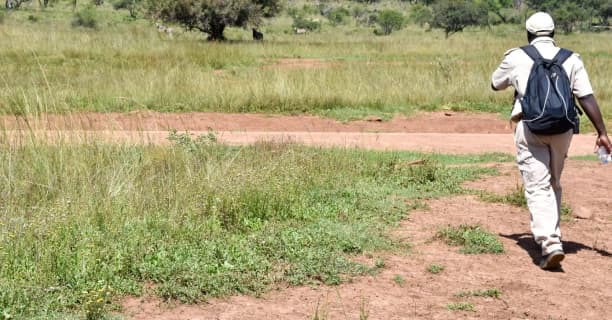
Guided Walking Safaris
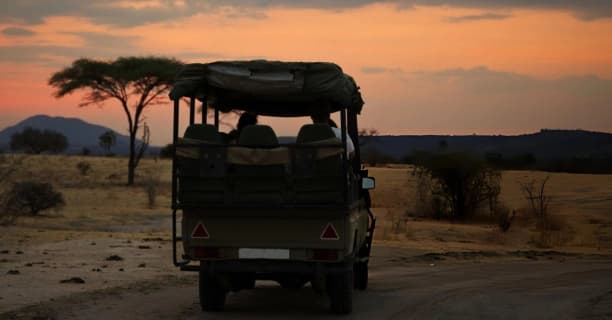
Night Wildlife Drives
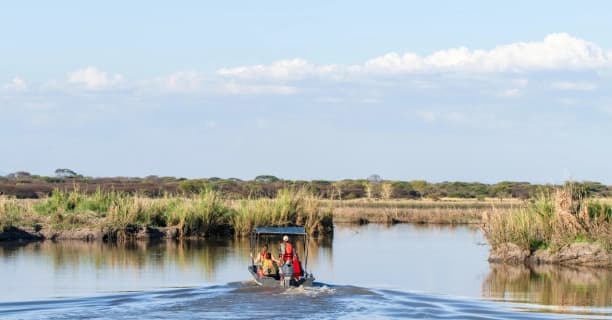
Usangu Boat Safaris
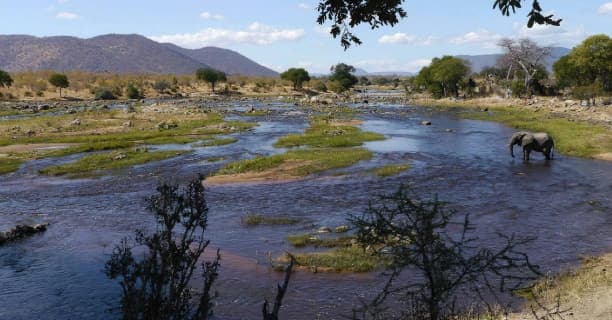
Dedicated Birding Outings
Long Game Drives
Guided Walking Safaris
Night Wildlife Drives
Usangu Boat Safaris
Best Time To Visit Ruaha National Park
Plan your visit around wildlife movement, dry weather, and river activity.
Jan
Feb
Mar
Apr
May
Jun
Jul
Aug
Sep
Oct
Nov
Dec

riverbank game days
Follow elephant paths and lion tracks along Ruaha’s life-giving sand and water all day.

baobab hill evenings
Golden light, vast skies, distant storms, and hyenas laughing somewhere unseen after dark sometimes.
Questions About Ruaha National Park
Helpful answers to help you plan your visit with more confidence.
Ruaha National Park is famous for its vast, uncrowded wilderness and high wildlife density—especially elephants, lions, and African wild dogs. The mix of southern and eastern African species, plus dramatic baobab landscapes and the Great Ruaha River, makes a Ruaha Safari feel very different from the busier northern parks of Tanzania.
For classic big-game viewing, June to October is ideal. It’s dry, cooler, and animals cluster around permanent water, so sightings are predictable and intense. Birdwatchers and repeat travellers often enjoy November to March, when rains bring migrants and greener scenery. There’s no single “right” month—just different flavours of Tanzania Safari Tours.
Depending on your camp and season, you can enjoy walking safaris, night drives, birding-focused outings, and, in the Usangu region, seasonal boating. Some lodges also arrange fly-camping experiences—simple, safe bush sleep-outs under the stars. Together, these activities make Ruaha National Park perfect for travellers who want to mix classic vehicle-based safaris with more immersive experiences.
You won’t find huge hotels here. Most stays are in small lodges or tented camps, ranging from comfortable mid-range to seriously luxurious, often overlooking rivers or open plains. Even the smarter camps keep things grounded—canvas, fire pits, open lounges. Wherever you stay, waking up to elephant rumbles or lion calls feels like the most honest kind of Tanzania Vacation you can have.
More Safari Places To Visit
Explore nearby safari destinations featuring wildlife, scenery, and a variety of trips.
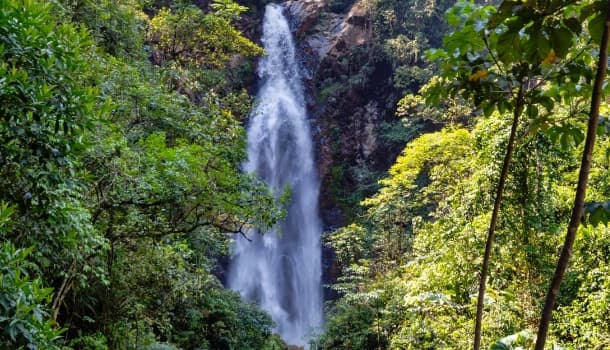
Udzungwa Mountains National Park
Udzungwa Mountains National Park doesn’t feel like a typical stop on a Safari in Tanzania. There’s no long line of vehicles, no endless savannah. Instead, the forest closes in, cool and damp, and you realise this is a walking park, not a driving one.
Trails wind through tropical rainforest, then slip into montane and miombo forest, patches of grassland, and open steppe. Every few steps, something shifts—light, birdsong, the smell of wet leaves.
This is a place of endemics: Iringa red colobus, Sanje crested mangabey, strange little sengis, and forest birds you won’t meet anywhere else on earth.
For many Tanzania Safaris guests, Udzungwa becomes the “quiet chapter” of their Tanzania Travel story; a pause from big cats and expansive plains, and a chance to listen to water, wind, and monkeys arguing in the canopy.
Mikumi National Park
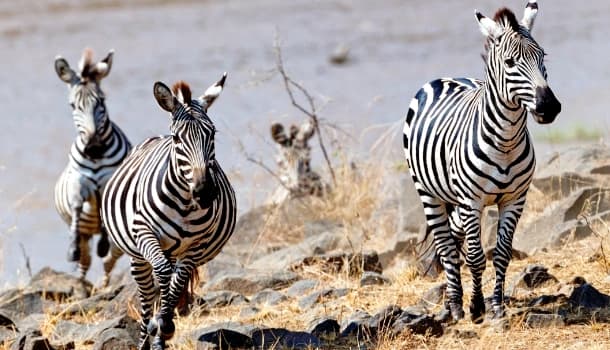
Mikumi National Park feels like someone took a classic Tanzania Safari scene and moved it closer to the main road, without stealing its soul. You get elephants, lions, and wide grasslands, but not the pressure of a “must tick everything now” schedule.
The Mkata floodplain lies open and golden, with zebra and wildebeest scattered like someone forgot to tidy up. Beyond that, the Uluguru and Udzungwa Mountains rise in soft blue layers, framing the savannah in every direction.
Because Mikumi sits between Dar es Salaam, Ruaha, and Nyerere, it becomes that surprisingly good “stop for a night or two” that turns into a favourite. One extra game drive, one quiet sunset, and suddenly this small park has a prominent place in your Tanzania Travel story.
Nyerere National Park
Nyerere National Park doesn’t rush to impress you. It just lies there, wide and quiet, letting the Rufiji River do the talking while you slowly realise how big this place really is.
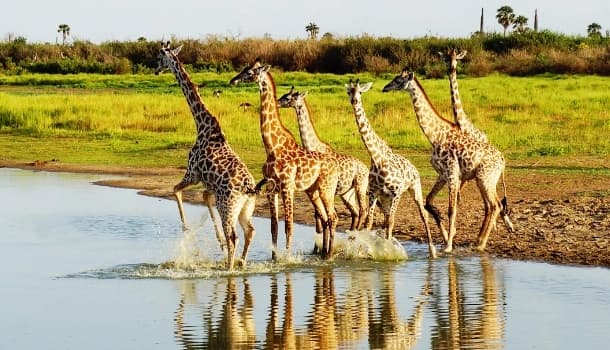
Formerly the northern part of the Selous Game Reserve, it’s now one of Africa’s largest protected areas, yet somehow still feels under-whispered in most Tanzania Travel conversations. Camps are few, distances huge, and the river keeps everything gently stitched together.
This isn’t just about ticking off species. It’s about watching elephants slip down to drink, listening to fish eagles argue above the palms, and drifting past sandbanks crowded with crocs.
If you like your Tanzania Safaris with space, water, and the feeling that the wild is still in charge, Nyerere National Park quietly gets under your skin and stays there.
Udzungwa Mountains National Park
Udzungwa Mountains National Park doesn’t feel like a typical stop on a Safari in Tanzania. There’s no long line of vehicles, no endless savannah. Instead, the forest closes in, cool and damp, and you realise this is a walking park, not a driving one.
Trails wind through tropical rainforest, then slip into montane and miombo forest, patches of grassland, and open steppe. Every few steps, something shifts—light, birdsong, the smell of wet leaves.
This is a place of endemics: Iringa red colobus, Sanje crested mangabey, strange little sengis, and forest birds you won’t meet anywhere else on earth.
For many Tanzania Safaris guests, Udzungwa becomes the “quiet chapter” of their Tanzania Travel story; a pause from big cats and expansive plains, and a chance to listen to water, wind, and monkeys arguing in the canopy.
Mikumi National Park
Mikumi National Park feels like someone took a classic Tanzania Safari scene and moved it closer to the main road, without stealing its soul. You get elephants, lions, and wide grasslands, but not the pressure of a “must tick everything now” schedule.
The Mkata floodplain lies open and golden, with zebra and wildebeest scattered like someone forgot to tidy up. Beyond that, the Uluguru and Udzungwa Mountains rise in soft blue layers, framing the savannah in every direction.
Because Mikumi sits between Dar es Salaam, Ruaha, and Nyerere, it becomes that surprisingly good “stop for a night or two” that turns into a favourite. One extra game drive, one quiet sunset, and suddenly this small park has a prominent place in your Tanzania Travel story.
Nyerere National Park
Nyerere National Park doesn’t rush to impress you. It just lies there, wide and quiet, letting the Rufiji River do the talking while you slowly realise how big this place really is.
Formerly the northern part of the Selous Game Reserve, it’s now one of Africa’s largest protected areas, yet somehow still feels under-whispered in most Tanzania Travel conversations. Camps are few, distances huge, and the river keeps everything gently stitched together.
This isn’t just about ticking off species. It’s about watching elephants slip down to drink, listening to fish eagles argue above the palms, and drifting past sandbanks crowded with crocs.
If you like your Tanzania Safaris with space, water, and the feeling that the wild is still in charge, Nyerere National Park quietly gets under your skin and stays there.
Plan Your Safari
Share your travel dates and interests
Choose parks, stays, and activities
Review your custom safari itinerary.
Confirm booking and prepare to travel.
Real Stories From Our Travellers
“I could happily go for a trip like this every year. Even going back again to the Serengeti national park is enticing to us, but we should probably try some of the other options for next year. Huge props to them for providing us more than we expected from a safari tour.”
Colt B
Ashburn, Virginia

“The safari literally couldn't have been much better. My partner and I just recently got engaged and we wanted to do a little celebration vacation. I've always wanted to do some safari or more adventurous so we reached out to them and it was settled swiftly.”
Braylee F
Vancouver, Canada

“Imara Kileleni was able to facilitate a wonderful day trip to Tarangire National Park and also a wonderful Day trip to Mt. Kilimanjaro via Shira route We had a wonderful time to step out from work. It’s was well arranged with every nitty gritty taken care of .”
Blanca Opati
Nairobi, Kenya
“I could happily go for a trip like this every year. Even going back again to the Serengeti national park is enticing to us, but we should probably try some of the other options for next year. Huge props to them for providing us more than we expected from a safari tour.”
Colt B
Ashburn, Virginia
“The safari literally couldn't have been much better. My partner and I just recently got engaged and we wanted to do a little celebration vacation. I've always wanted to do some safari or more adventurous so we reached out to them and it was settled swiftly.”
Braylee F
Vancouver, Canada
“I could happily go for a trip like this every year. Even going back again to the Serengeti national park is enticing to us, but we should probably try some of the other options for next year. Huge props to them for providing us more than we expected from a safari tour.”
Colt B
Ashburn, Virginia
“The safari literally couldn't have been much better. My partner and I just recently got engaged and we wanted to do a little celebration vacation. I've always wanted to do some safari or more adventurous so we reached out to them and it was settled swiftly.”
Braylee F
Vancouver, Canada
“Imara Kileleni was able to facilitate a wonderful day trip to Tarangire National Park and also a wonderful Day trip to Mt. Kilimanjaro via Shira route We had a wonderful time to step out from work. It’s was well arranged with every nitty gritty taken care of .”
Blanca Opati
Nairobi, Kenya
As Featured In