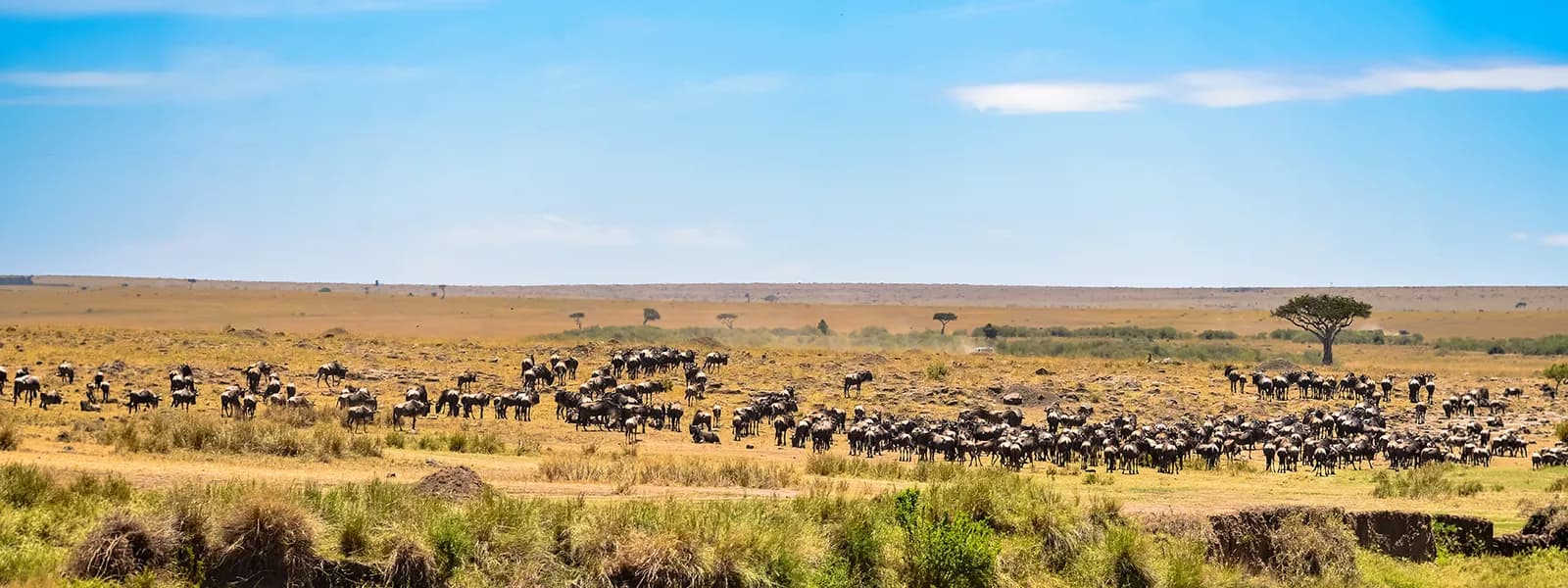
TANZANIA WILDLIFE SAFARI
Where Nature Takes Over
Untamed landscapes, ancient rhythms, and raw encounters fill each day with something tangible.
Untamed landscapes, ancient rhythms, and raw encounters fill each day with something tangible.
Step into a Tanzania Wildlife Safari and you immediately sense that nothing here performs for you. The land feels alive in its own quiet, steady way. Animals move because they must, not because anyone is watching. The weather rolls in without warning. Light changes tone from one hour to the next. And somehow, this unpredictability becomes the part travelers remember most.
Many arrive expecting to chase sightings. But that idea fades quickly. Instead, people start noticing how the ecosystem holds itself together — how prey listens before moving, how predators wait for perfect timing, how birds mark the hours without fail. It turns into a living lesson in wild Tanzania, stitched together by things your guide helps you understand.
At some point, everyday noise from home disappears. You start hearing wingbeats, rustling grass, distant calls you can’t quite name yet. The wild slows you down just enough to feel grounded again.
Loading safaris…

14 Days Mid-range Wildlife Drive-in Safari
14 Days
Tanzania
Tanzania Safari Tours often promise a lot, but this journey finds its own way of surprising you. Fourteen days unfold across landscapes that feel both untamed and familiar—Tarangire’s slow-moving elephants, Manyara’s soft forests, and Serengeti’s vast, breathing plains. Then comes Ngorongoro, a world hidden inside a globe. By the time Zanzibar’s quiet beaches take over the rhythm, the trip feels less like an itinerary and more like a story slipping into place, one moment at a time.
On Request

8 Days Fly-In Drive-Out Budget Cultural Safari
8 Days
Tanzania
Eight days stretch out in front of you, each carrying its own rhythm and small surprises. A quick flight lifts you straight into northern Serengeti, where the landscape feels wider than expected, and the wildlife moves with purpose. Central Serengeti deepens the pace, showing its tougher, wilder side. Ngorongoro pulls you inward with its sheer depth and crowded crater floor. Lake Manyara adds colour and bird calls. Tarangire closes the journey with elephants and tall, stubborn baobabs. Everything feels connected by the end of this Safari in Tanzania.
On Request

7 Days Wildlife Budget Cultural Fly in Safari
7 Days
Tanzania
This week-long Tanzania Safari keeps shifting between excitement and stillness. The Serengeti brings the big, bold moments—lions moving through grass, herds stretching far ahead. Ngorongoro adds weight with its vast crater and thick concentration of wildlife. Lake Manyara softens the days with forests, birds, and a few unexpected sightings. Ending with the Hadzabe gives the journey a human heartbeat, something you remember long after the wildlife fades from view.
On Request

12 Days Mid-Range Cultural Drive in Safari
12 Days
Tanzania
This 12-day journey gathers some of the most meaningful Safaris in Tanzania into one slow, steady route. Tarangire sets the tone with elephants and open country. Lake Eyasi adds culture and connection. The Serengeti widens everything—sky, distance, and the feeling of being part of something larger. Ngorongoro brings wildlife even closer, and Zanzibar closes the trip with calm shores and warm evenings. Each part shifts gently into the next, creating a well-paced adventure.
On Request

9 Days Drive-in Drive-out Budget Wildlife Safari
9 Days
Tanzania
Nine days stretch wide across Tanzania, each carrying its own kind of wonder. Tarangire begins the story with elephants moving through dust-light, then Lake Manyara shifts the mood with forests, birds, and quiet water. Serengeti changes everything—first the open central plains, then the softer southern grasslands where life gathers in significant numbers. Ngorongoro deepens the journey with its ancient crater, which holds wildlife tightly together. These Tanzania Safari days feel long in the best way, shaped by early starts, moving herds, and unexpected stillness.
On Request

7 Days Drive-In Drive-Out Luxury Safari
7 Days
Tanzania
Luxury on the road feels different here. It’s slower, softer, almost deliberate. Tarangire begins the journey with quiet mornings and elephants drifting like old secrets across open spaces. The Serengeti stretches the days wide, letting you fall into its rhythm without noticing. Ngorongoro lifts and lowers your breath with its deep, ancient bowl of life. Manyara closes the week in a forest humming with stories. These seven days on a Safari in Tanzania are shaped by comfort but grounded in the raw truth of the land.
On Request

6 Days Drive-in Drive Out Mid-Range Wildlife Safari
6 Days
Tanzania
This Tanzania Safari Package involves a road journey that grows fuller with every mile. Tarangire wakes the trip with big skies and slow-moving elephants. The Serengeti stretches everything wider, letting the days feel longer than they are. Ngorongoro pulls you downward into a world that feels almost protected from time. Manyara finishes the story in a forest where monkeys chatter before the sun settles. Six days, many moods, and a safari that feels neither rushed nor polished—just authentic, steady, and deeply memorable.
On Request

5 Days Cultural Budget Fly-in- Safari
5 Days
Tanzania
This five-day fly-in Tanzania safari gives you a fast, exciting sweep across Tanzania’s most iconic landscapes without losing the small, human moments that make travel feel real. You fly straight into the Serengeti, touch the Ngorongoro Crater floor, and drift through Tarangire’s warm, elephant-filled valleys. It’s a trip built for travelers who want the wild up front but prefer simple, grounded comfort throughout. Each day feels different, carrying its own rhythm, its own surprise, its own story.
On Request

3-Days Tanzania Safari
3 Days
Tanzania
A 3-day Tanzania safari moves fast, yet somehow settles deeply. You arrive, travel-tired and with a quiet spark of excitement, and the country meets you softly. Tarangire wakes you up with elephants drifting between baobabs, dust rising like a slow breath. Ngorongoro pulls you into a world that feels older than anything you know. Three days aren’t long, but they hold enough wonder to stay with you long after you’re home.
On Request
14 Days Mid-range Wildlife Drive-in Safari
14 Days
Tanzania
Tanzania Safari Tours often promise a lot, but this journey finds its own way of surprising you. Fourteen days unfold across landscapes that feel both untamed and familiar—Tarangire’s slow-moving elephants, Manyara’s soft forests, and Serengeti’s vast, breathing plains. Then comes Ngorongoro, a world hidden inside a globe. By the time Zanzibar’s quiet beaches take over the rhythm, the trip feels less like an itinerary and more like a story slipping into place, one moment at a time.
On Request
8 Days Fly-In Drive-Out Budget Cultural Safari
8 Days
Tanzania
Eight days stretch out in front of you, each carrying its own rhythm and small surprises. A quick flight lifts you straight into northern Serengeti, where the landscape feels wider than expected, and the wildlife moves with purpose. Central Serengeti deepens the pace, showing its tougher, wilder side. Ngorongoro pulls you inward with its sheer depth and crowded crater floor. Lake Manyara adds colour and bird calls. Tarangire closes the journey with elephants and tall, stubborn baobabs. Everything feels connected by the end of this Safari in Tanzania.
On Request
7 Days Wildlife Budget Cultural Fly in Safari
7 Days
Tanzania
This week-long Tanzania Safari keeps shifting between excitement and stillness. The Serengeti brings the big, bold moments—lions moving through grass, herds stretching far ahead. Ngorongoro adds weight with its vast crater and thick concentration of wildlife. Lake Manyara softens the days with forests, birds, and a few unexpected sightings. Ending with the Hadzabe gives the journey a human heartbeat, something you remember long after the wildlife fades from view.
On Request
12 Days Mid-Range Cultural Drive in Safari
12 Days
Tanzania
This 12-day journey gathers some of the most meaningful Safaris in Tanzania into one slow, steady route. Tarangire sets the tone with elephants and open country. Lake Eyasi adds culture and connection. The Serengeti widens everything—sky, distance, and the feeling of being part of something larger. Ngorongoro brings wildlife even closer, and Zanzibar closes the trip with calm shores and warm evenings. Each part shifts gently into the next, creating a well-paced adventure.
On Request

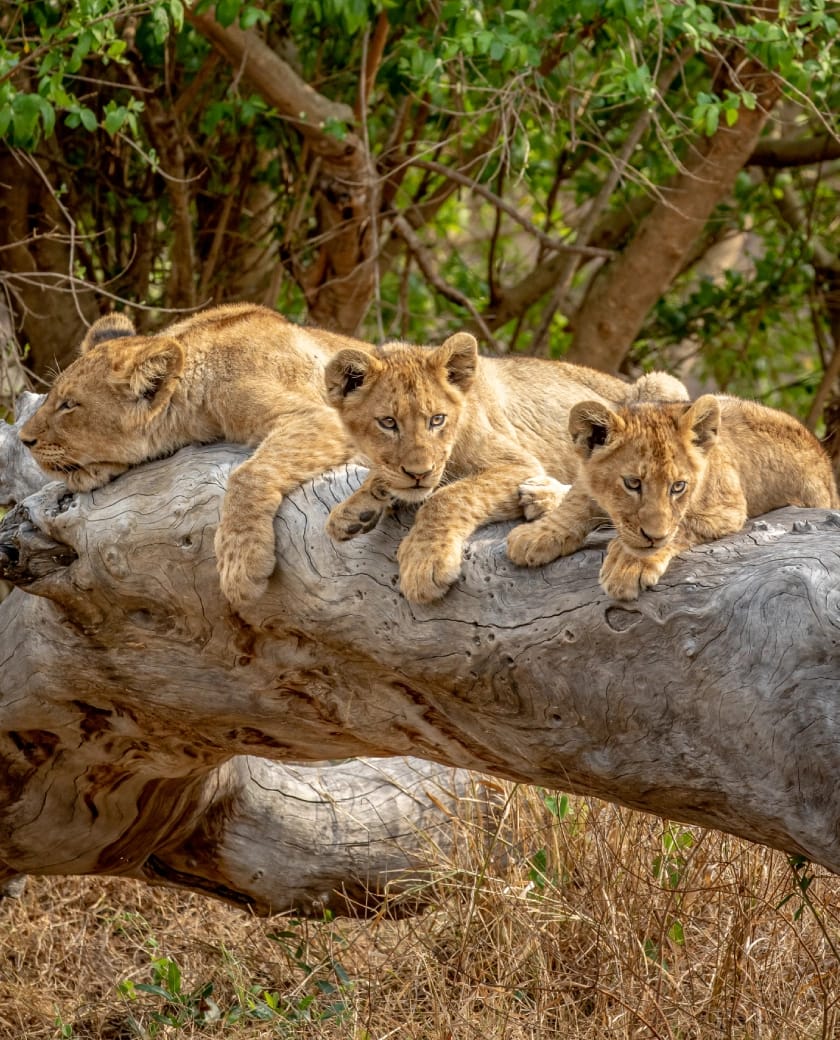
the raw encounter
Unfiltered wildlife moments that stay with you long after you leave.

nature’s rhythm revealed
Guides help you see the hidden patterns behind each sighting.
Top Frequently Ask Questions
Key answers about animals, parks, seasons, and wildlife viewing experiences.
The Great Migration moves constantly, and no one controls its timing. Guides track weather, grazing conditions, and herd patterns daily to give you the best chance. If you travel in the right months and regions, the odds are high. But the migration is a living phenomenon — not a scheduled event. That unpredictability is part of its power.
Not at all. Guides ease travelers into every aspect of the journey. You won’t be thrown into difficult situations or rushed into anything overwhelming. Safari days flow naturally — with plenty of breaks, explanations, and time to breathe in between sightings. First-timers usually end up loving the slow, steady rhythm.
It depends on the park and the season. Some areas, like central Serengeti, draw many vehicles during peak wildlife moments. Others feel wide open and quiet. Your itinerary is planned to balance both — iconic hotspots and quieter corners — so you get impressive sightings without feeling surrounded all the time. A good guide knows how to read the roads and avoid unnecessary crowds.
Plan Your Safari
Share your travel dates and interests
Choose parks, stays, and activities
Review your custom safari itinerary.
Confirm booking and prepare to travel.
Real Stories From Our Travellers
“I could happily go for a trip like this every year. Even going back again to the Serengeti national park is enticing to us, but we should probably try some of the other options for next year. Huge props to them for providing us more than we expected from a safari tour.”
Colt B
Ashburn, Virginia

“The safari literally couldn't have been much better. My partner and I just recently got engaged and we wanted to do a little celebration vacation. I've always wanted to do some safari or more adventurous so we reached out to them and it was settled swiftly.”
Braylee F
Vancouver, Canada

“Imara Kileleni was able to facilitate a wonderful day trip to Tarangire National Park and also a wonderful Day trip to Mt. Kilimanjaro via Shira route We had a wonderful time to step out from work. It’s was well arranged with every nitty gritty taken care of .”
Blanca Opati
Nairobi, Kenya
“I could happily go for a trip like this every year. Even going back again to the Serengeti national park is enticing to us, but we should probably try some of the other options for next year. Huge props to them for providing us more than we expected from a safari tour.”
Colt B
Ashburn, Virginia
“The safari literally couldn't have been much better. My partner and I just recently got engaged and we wanted to do a little celebration vacation. I've always wanted to do some safari or more adventurous so we reached out to them and it was settled swiftly.”
Braylee F
Vancouver, Canada
“I could happily go for a trip like this every year. Even going back again to the Serengeti national park is enticing to us, but we should probably try some of the other options for next year. Huge props to them for providing us more than we expected from a safari tour.”
Colt B
Ashburn, Virginia
“The safari literally couldn't have been much better. My partner and I just recently got engaged and we wanted to do a little celebration vacation. I've always wanted to do some safari or more adventurous so we reached out to them and it was settled swiftly.”
Braylee F
Vancouver, Canada
“Imara Kileleni was able to facilitate a wonderful day trip to Tarangire National Park and also a wonderful Day trip to Mt. Kilimanjaro via Shira route We had a wonderful time to step out from work. It’s was well arranged with every nitty gritty taken care of .”
Blanca Opati
Nairobi, Kenya
As Featured In