Serengeti National Park
Endless Wild Plains
Expansive golden grasslands where wildlife moves freely across ancient, wind-shaped horizons.
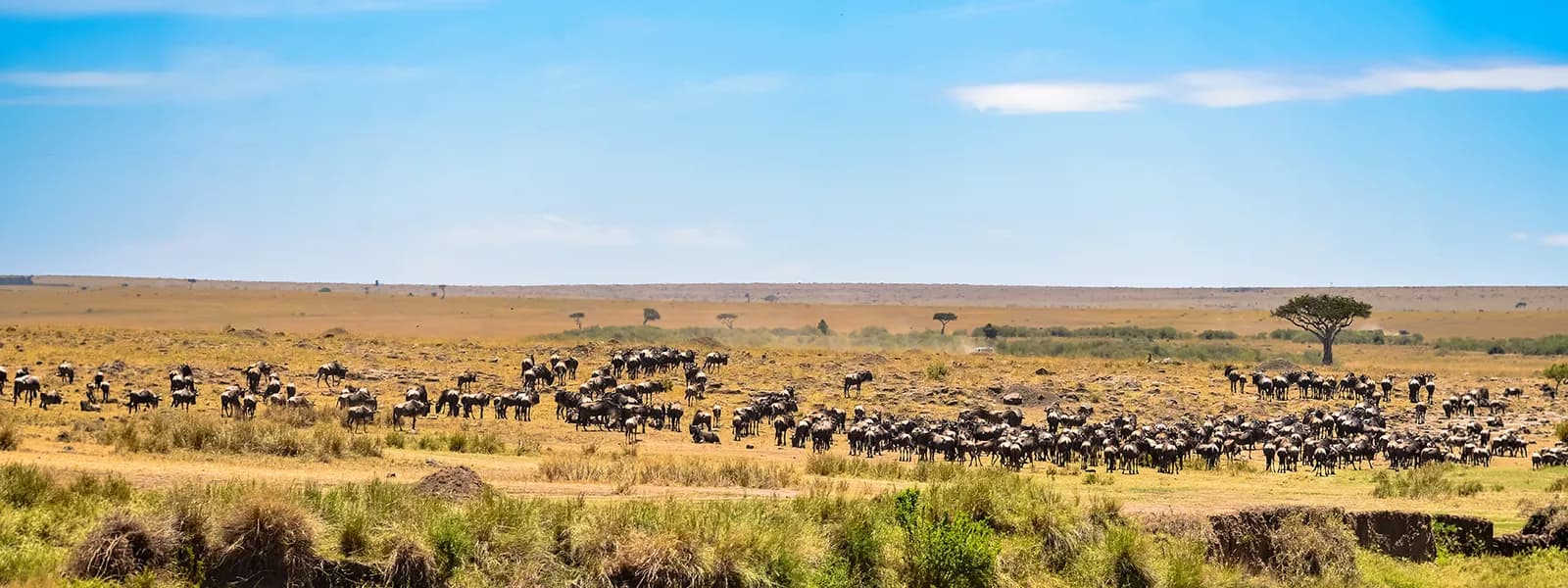
The Serengeti National Park is so huge that it doesn’t reveal itself all at once. You arrive expecting drama, noise, something immediate. Instead, the plains sit quietly, stretching so far that you feel a little small, maybe even unsure of what you’re supposed to notice first. And then something shifts like a flicker in the grass, a distant grunt, a shadow sliding across the horizon.
Soon, the small details begin to pull you in. A kopje catching warm sunlight. Giraffes standing so still you’d swear they were carved there. Even the dust has a rhythm, lifting gently as herds move miles away. This is how Tanzania Safaris truly begin — slowly, honestly.
Then the scale hits you. Wildebeest in their thousands. Zebra threading between them with that strange mix of caution and confidence. Predators watching from the edges, unhurried and deeply aware.
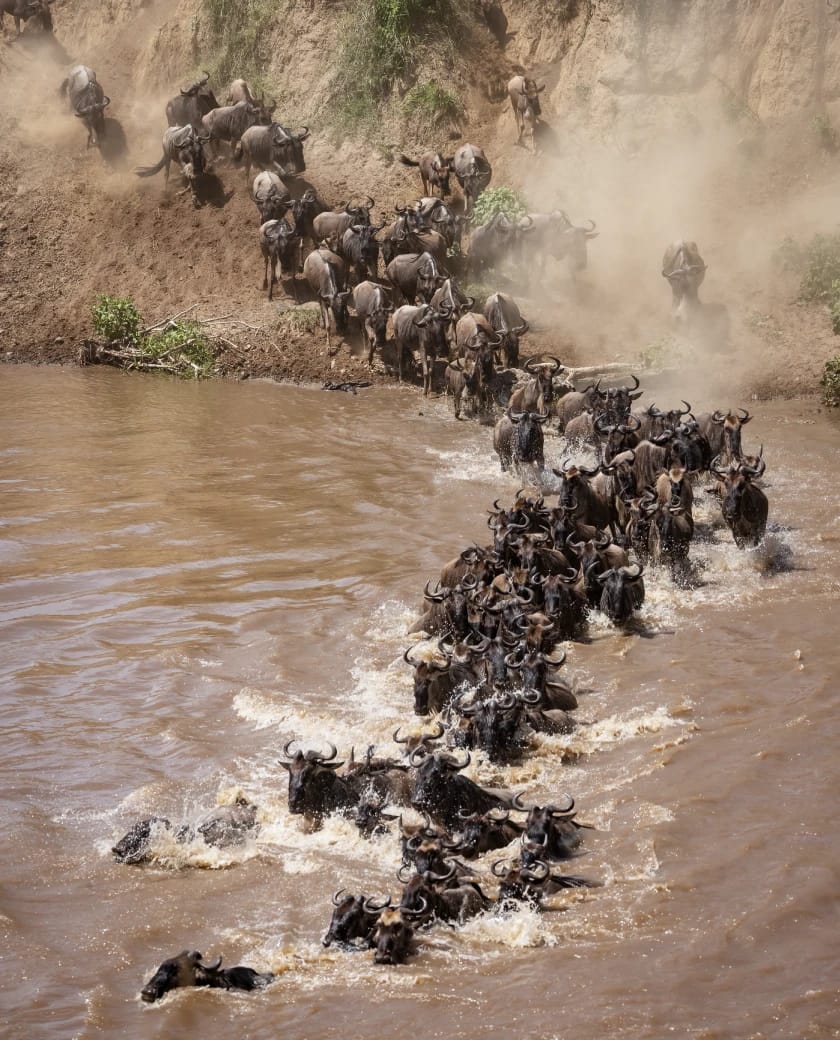
And then there’s the Great Wildebeest Migration — loud, restless, emotional. When the ground vibrates beneath your shoes, you stop thinking and absorb it.
Loading safaris…

14 Days Mid-range Wildlife Drive-in Safari
14 Days
Tanzania
Tanzania Safari Tours often promise a lot, but this journey finds its own way of surprising you. Fourteen days unfold across landscapes that feel both untamed and familiar—Tarangire’s slow-moving elephants, Manyara’s soft forests, and Serengeti’s vast, breathing plains. Then comes Ngorongoro, a world hidden inside a globe. By the time Zanzibar’s quiet beaches take over the rhythm, the trip feels less like an itinerary and more like a story slipping into place, one moment at a time.
On Request

8 Days Fly-In Drive-Out Budget Cultural Safari
8 Days
Tanzania
Eight days stretch out in front of you, each carrying its own rhythm and small surprises. A quick flight lifts you straight into northern Serengeti, where the landscape feels wider than expected, and the wildlife moves with purpose. Central Serengeti deepens the pace, showing its tougher, wilder side. Ngorongoro pulls you inward with its sheer depth and crowded crater floor. Lake Manyara adds colour and bird calls. Tarangire closes the journey with elephants and tall, stubborn baobabs. Everything feels connected by the end of this Safari in Tanzania.
On Request

7 Days Wildlife Budget Cultural Fly in Safari
7 Days
Tanzania
This week-long Tanzania Safari keeps shifting between excitement and stillness. The Serengeti brings the big, bold moments—lions moving through grass, herds stretching far ahead. Ngorongoro adds weight with its vast crater and thick concentration of wildlife. Lake Manyara softens the days with forests, birds, and a few unexpected sightings. Ending with the Hadzabe gives the journey a human heartbeat, something you remember long after the wildlife fades from view.
On Request

12 Days Mid-Range Cultural Drive in Safari
12 Days
Tanzania
This 12-day journey gathers some of the most meaningful Safaris in Tanzania into one slow, steady route. Tarangire sets the tone with elephants and open country. Lake Eyasi adds culture and connection. The Serengeti widens everything—sky, distance, and the feeling of being part of something larger. Ngorongoro brings wildlife even closer, and Zanzibar closes the trip with calm shores and warm evenings. Each part shifts gently into the next, creating a well-paced adventure.
On Request

9 Days Drive-in Drive-out Budget Wildlife Safari
9 Days
Tanzania
Nine days stretch wide across Tanzania, each carrying its own kind of wonder. Tarangire begins the story with elephants moving through dust-light, then Lake Manyara shifts the mood with forests, birds, and quiet water. Serengeti changes everything—first the open central plains, then the softer southern grasslands where life gathers in significant numbers. Ngorongoro deepens the journey with its ancient crater, which holds wildlife tightly together. These Tanzania Safari days feel long in the best way, shaped by early starts, moving herds, and unexpected stillness.
On Request

7 Days Drive-In Drive-Out Luxury Safari
7 Days
Tanzania
Luxury on the road feels different here. It’s slower, softer, almost deliberate. Tarangire begins the journey with quiet mornings and elephants drifting like old secrets across open spaces. The Serengeti stretches the days wide, letting you fall into its rhythm without noticing. Ngorongoro lifts and lowers your breath with its deep, ancient bowl of life. Manyara closes the week in a forest humming with stories. These seven days on a Safari in Tanzania are shaped by comfort but grounded in the raw truth of the land.
On Request

6 Days Drive-in Drive Out Mid-Range Wildlife Safari
6 Days
Tanzania
This Tanzania Safari Package involves a road journey that grows fuller with every mile. Tarangire wakes the trip with big skies and slow-moving elephants. The Serengeti stretches everything wider, letting the days feel longer than they are. Ngorongoro pulls you downward into a world that feels almost protected from time. Manyara finishes the story in a forest where monkeys chatter before the sun settles. Six days, many moods, and a safari that feels neither rushed nor polished—just authentic, steady, and deeply memorable.
On Request

5 Days Cultural Budget Fly-in- Safari
5 Days
Tanzania
This five-day fly-in Tanzania safari gives you a fast, exciting sweep across Tanzania’s most iconic landscapes without losing the small, human moments that make travel feel real. You fly straight into the Serengeti, touch the Ngorongoro Crater floor, and drift through Tarangire’s warm, elephant-filled valleys. It’s a trip built for travelers who want the wild up front but prefer simple, grounded comfort throughout. Each day feels different, carrying its own rhythm, its own surprise, its own story.
On Request

3-Days Tanzania Safari
3 Days
Tanzania
A 3-day Tanzania safari moves fast, yet somehow settles deeply. You arrive, travel-tired and with a quiet spark of excitement, and the country meets you softly. Tarangire wakes you up with elephants drifting between baobabs, dust rising like a slow breath. Ngorongoro pulls you into a world that feels older than anything you know. Three days aren’t long, but they hold enough wonder to stay with you long after you’re home.
On Request
14 Days Mid-range Wildlife Drive-in Safari
14 Days
Tanzania
Tanzania Safari Tours often promise a lot, but this journey finds its own way of surprising you. Fourteen days unfold across landscapes that feel both untamed and familiar—Tarangire’s slow-moving elephants, Manyara’s soft forests, and Serengeti’s vast, breathing plains. Then comes Ngorongoro, a world hidden inside a globe. By the time Zanzibar’s quiet beaches take over the rhythm, the trip feels less like an itinerary and more like a story slipping into place, one moment at a time.
On Request
8 Days Fly-In Drive-Out Budget Cultural Safari
8 Days
Tanzania
Eight days stretch out in front of you, each carrying its own rhythm and small surprises. A quick flight lifts you straight into northern Serengeti, where the landscape feels wider than expected, and the wildlife moves with purpose. Central Serengeti deepens the pace, showing its tougher, wilder side. Ngorongoro pulls you inward with its sheer depth and crowded crater floor. Lake Manyara adds colour and bird calls. Tarangire closes the journey with elephants and tall, stubborn baobabs. Everything feels connected by the end of this Safari in Tanzania.
On Request
7 Days Wildlife Budget Cultural Fly in Safari
7 Days
Tanzania
This week-long Tanzania Safari keeps shifting between excitement and stillness. The Serengeti brings the big, bold moments—lions moving through grass, herds stretching far ahead. Ngorongoro adds weight with its vast crater and thick concentration of wildlife. Lake Manyara softens the days with forests, birds, and a few unexpected sightings. Ending with the Hadzabe gives the journey a human heartbeat, something you remember long after the wildlife fades from view.
On Request
12 Days Mid-Range Cultural Drive in Safari
12 Days
Tanzania
This 12-day journey gathers some of the most meaningful Safaris in Tanzania into one slow, steady route. Tarangire sets the tone with elephants and open country. Lake Eyasi adds culture and connection. The Serengeti widens everything—sky, distance, and the feeling of being part of something larger. Ngorongoro brings wildlife even closer, and Zanzibar closes the trip with calm shores and warm evenings. Each part shifts gently into the next, creating a well-paced adventure.
On Request
DETAILS OF SERENGETI NATIONAL PARK
A Landscape Of Stories
The Serengeti changes around you even when the road looks straight. Down in the south, the plains stretch wide and clean, fed by old volcanic ash that gives the grasses a softness animals can’t resist. This is where the earliest whispers of the Great Wildebeest Migration begin when the rains return. Move north and everything shifts. Seronera brings river lines, shade, and leopards tucked into branches like shadows that learned how to breathe.
The Western Corridor feels heavier, pressed in by forests where the Grumeti River waits, crocodiles barely moving.
Farther north, the world opens again into rolling hills where kopjes sit like old memories scattered around. The Grumeti Reserves feel quietly luxurious, while Loliondo blends wilderness and Maasai culture in a way that doesn’t feel staged. You don’t really notice when one region becomes the next; it just happens while you’re busy looking at something else.
Southern Plains
The southern plains reach toward the volcanic highlands bordering the Ngorongoro Conservation Area. The soil here is ancient, shaped by ash, and it grows the kind of short grass that herbivores love. When the rains arrive, the Great Wildebeest Migration turns this area into a nursery. Calves take their wobbly first steps while predators linger nearby, never in a hurry but never far. When the dry season returns, the herds drift north, leaving behind a quiet, golden emptiness that feels strangely peaceful.

Things To Do In Serengeti National Park
Explore endless plains, big cats, river crossings, and rich wildlife viewing.
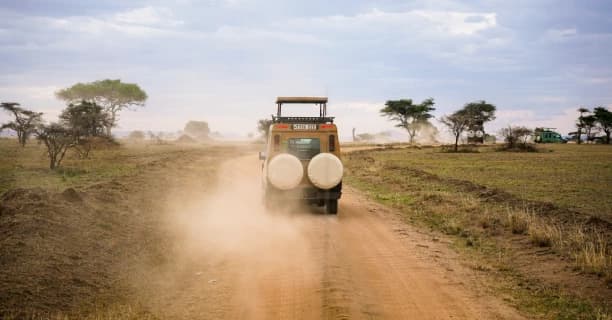
Unhurried Game Drives
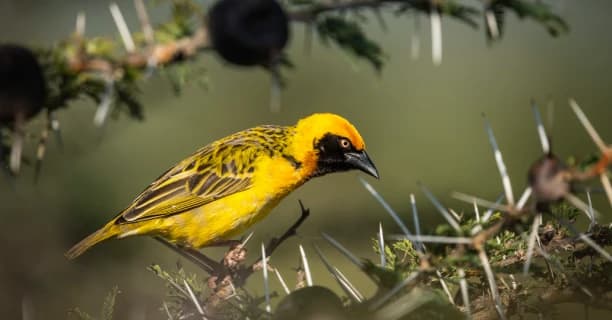
Birding Across The Plains
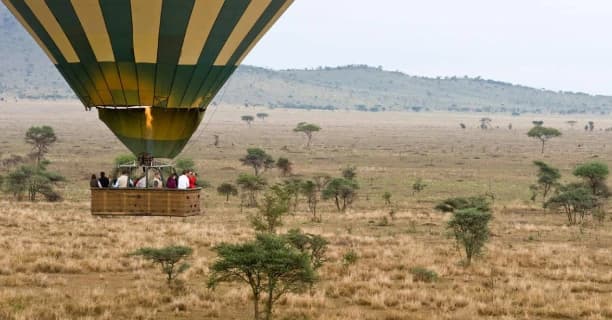
Hot-Air Balloon Safaris
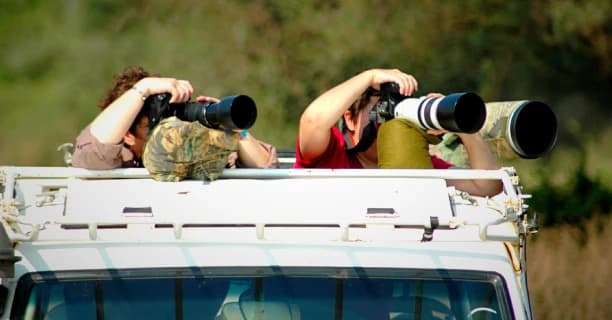
Golden-Hour Photography Moments
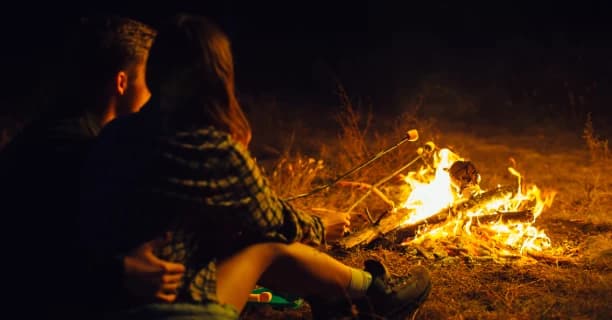
Campfire Evenings Under Stars
Unhurried Game Drives
Birding Across The Plains
Hot-Air Balloon Safaris
Golden-Hour Photography Moments
Best Time To Visit Serengeti
Plan your visit around migration movement, dry-season game viewing, and calving months.
Jan
Feb
Mar
Apr
May
Jun
Jul
Aug
Sep
Oct
Nov
Dec

wildlife up close
A front-row glimpse into subtle animal behaviors, natural rhythms, and unplanned moments of connection.

migration moments
Witness instinct, hesitation, and survival collide across ancient paths of moving herds.
Questions About Serengeti National Park
Helpful answers to help you plan your visit with more confidence.
It depends on what you want most. For the Great Wildebeest Migration, many travellers pick December–March for calving in the south, or June–October for river crossings in the west and north. If you prefer fewer vehicles and greener landscapes, April, May, and November can be lovely. There isn’t a single “perfect” Best Time to Visit Serengeti—just different seasons with different strengths.
No operator can guarantee you’ll see a dramatic crossing or a huge moving herd on a specific day. The Great Wildebeest Migration follows rain, grass, and conditions that shift slightly every year. What we can do is plan your Serengeti Safari Trips during months when the herds are usually in certain areas and choose camps that give you the best realistic chance. Some days involve waiting and watching; that uncertainty is part of the story.
Tanzania National Parks sets park fees for Serengeti National Park and can change over time or vary by season. On top of that, lodge and camp rates also shift between high, shoulder, and green seasons. Rather than memorising numbers, it’s best to get an updated quote for your travel dates. We will always show these costs clearly so you know exactly what you’re paying for before you confirm anything.
More Safari Places To Visit
Explore nearby safari destinations featuring wildlife, scenery, and a variety of trips.
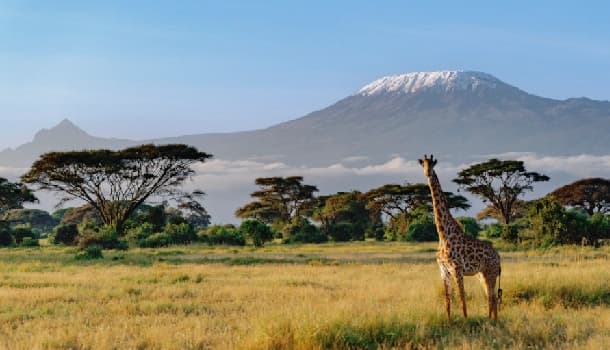
Kilimanjaro National Park
Kilimanjaro National Park is not just a backdrop to your Tanzania Safari. It’s a presence. A mood. A snow-line floating above farmland and small towns, reminding everyone nearby that wild spaces still rule the skyline.
Down low, life feels ordinary—banana groves, villages, chatter, motorbikes. Then you drive a little further, pass the park gate, and the air changes. The forest thickens. Light fades under fig and camphor trees. Blue monkeys flick through the branches. Colobus tails paint white stripes against deep green.
Higher up, the trees thin and the ground turns open, scrubby, strange. Giant heathers, Kilimanjaro Plants like lobelias and groundsels, look almost prehistoric. Above all this, the summit sits quietly, pretending to be gentle. It isn’t. But reaching Uhuru Peak is the hard that rewires people in the best possible way.
Serengeti National Park 2
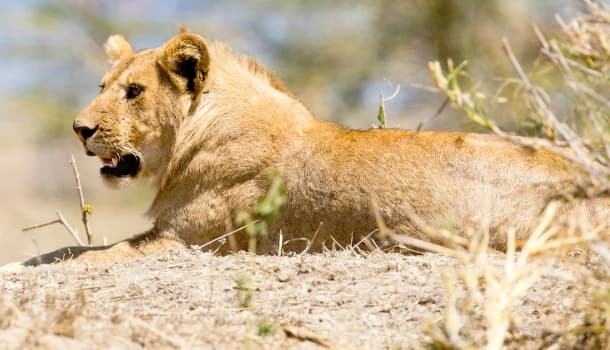
The Serengeti National Park is so huge that it doesn’t reveal itself all at once. You arrive expecting drama, noise, something immediate. Instead, the plains sit quietly, stretching so far that you feel a little small, maybe even unsure of what you’re supposed to notice first. And then something shifts like a flicker in the grass, a distant grunt, a shadow sliding across the horizon.
Soon, the small details begin to pull you in. A kopje catching warm sunlight. Giraffes standing so still you’d swear they were carved there. Even the dust has a rhythm, lifting gently as herds move miles away. This is how Tanzania Safaris truly begin — slowly, honestly.
Then the scale hits you. Wildebeest in their thousands. Zebra threading between them with that strange mix of caution and confidence. Predators watching from the edges, unhurried and deeply aware.
And then there’s the Great Wildebeest Migration — loud, restless, emotional. When the ground vibrates beneath your shoes, you stop thinking and absorb it.

Tarangire National Park
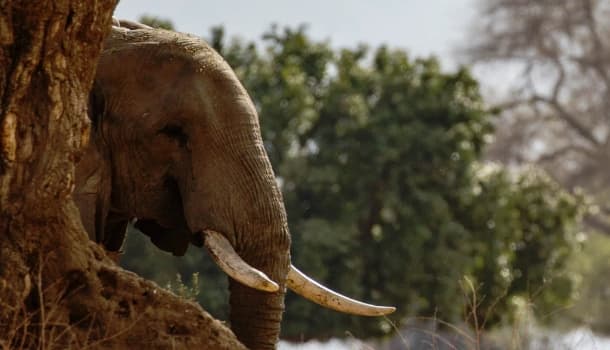
Tarangire National Park is where the landscape feels heavy in the best way.
Heavy with baobab trunks, elephant footprints, and the slow bend of the Tarangire River.
Compared with Serengeti, Tarangire Park is quieter, more compact, and oddly more intimate.
You’re often watching animals in one long shared scene: elephants digging for water, zebras kicking dust, and buffalo lining the banks.
In the dry months, this river becomes a lifeline. Tarangire National Park Animals stream in from the wider ecosystem, turning the valleys into moving stripes, horns, and trunks. Lions simply wait.
Outside peak season, the park softens. Woodlands green up, swamps fill, and birdlife takes over the soundtrack. For many travellers on Safaris in Tanzania, Tarangire ends up being the place they remember when they think about silence, heat, and elephants standing under enormous trees.


Arusha National Park
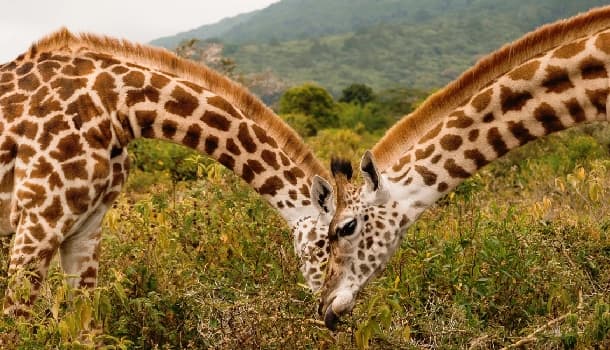
Arusha National Park feels like a deep breath before the bigger northern parks. You’re suddenly in cool forest, misty hills, and quiet lakes instead of open savanna.
It’s small on the map, but surprisingly layered in real life. One corner holds Ngurdoto Crater wrapped in rainforest; another spills out into the pale Momella Lakes where flamingos tint the water. Above everything, Mount Meru rises in the background like a watchful neighbour.
This is where giraffes wander past fig trees, colobus monkeys leap through branches, and buffalo graze beneath mossy trunks. You can explore by vehicle, stretch your legs on guided walking trails, or glide in a canoe while watching clouds reflect on the lakes.
For many travellers, Arusha National Park becomes the gentle start to a Tanzania Safari. It’s close to town, low on crowds, and rich in small, memorable details that quietly stay with you long after you leave.
Kilimanjaro National Park
Kilimanjaro National Park is not just a backdrop to your Tanzania Safari. It’s a presence. A mood. A snow-line floating above farmland and small towns, reminding everyone nearby that wild spaces still rule the skyline.
Down low, life feels ordinary—banana groves, villages, chatter, motorbikes. Then you drive a little further, pass the park gate, and the air changes. The forest thickens. Light fades under fig and camphor trees. Blue monkeys flick through the branches. Colobus tails paint white stripes against deep green.
Higher up, the trees thin and the ground turns open, scrubby, strange. Giant heathers, Kilimanjaro Plants like lobelias and groundsels, look almost prehistoric. Above all this, the summit sits quietly, pretending to be gentle. It isn’t. But reaching Uhuru Peak is the hard that rewires people in the best possible way.
Serengeti National Park 2
The Serengeti National Park is so huge that it doesn’t reveal itself all at once. You arrive expecting drama, noise, something immediate. Instead, the plains sit quietly, stretching so far that you feel a little small, maybe even unsure of what you’re supposed to notice first. And then something shifts like a flicker in the grass, a distant grunt, a shadow sliding across the horizon.
Soon, the small details begin to pull you in. A kopje catching warm sunlight. Giraffes standing so still you’d swear they were carved there. Even the dust has a rhythm, lifting gently as herds move miles away. This is how Tanzania Safaris truly begin — slowly, honestly.
Then the scale hits you. Wildebeest in their thousands. Zebra threading between them with that strange mix of caution and confidence. Predators watching from the edges, unhurried and deeply aware.
And then there’s the Great Wildebeest Migration — loud, restless, emotional. When the ground vibrates beneath your shoes, you stop thinking and absorb it.
Tarangire National Park
Tarangire National Park is where the landscape feels heavy in the best way.
Heavy with baobab trunks, elephant footprints, and the slow bend of the Tarangire River.
Compared with Serengeti, Tarangire Park is quieter, more compact, and oddly more intimate.
You’re often watching animals in one long shared scene: elephants digging for water, zebras kicking dust, and buffalo lining the banks.
In the dry months, this river becomes a lifeline. Tarangire National Park Animals stream in from the wider ecosystem, turning the valleys into moving stripes, horns, and trunks. Lions simply wait.
Outside peak season, the park softens. Woodlands green up, swamps fill, and birdlife takes over the soundtrack. For many travellers on Safaris in Tanzania, Tarangire ends up being the place they remember when they think about silence, heat, and elephants standing under enormous trees.Plan Your Safari
Share your travel dates and interests
Choose parks, stays, and activities
Review your custom safari itinerary.
Confirm booking and prepare to travel.
Real Stories From Our Travellers
“I could happily go for a trip like this every year. Even going back again to the Serengeti national park is enticing to us, but we should probably try some of the other options for next year. Huge props to them for providing us more than we expected from a safari tour.”
Colt B
Ashburn, Virginia

“The safari literally couldn't have been much better. My partner and I just recently got engaged and we wanted to do a little celebration vacation. I've always wanted to do some safari or more adventurous so we reached out to them and it was settled swiftly.”
Braylee F
Vancouver, Canada

“Imara Kileleni was able to facilitate a wonderful day trip to Tarangire National Park and also a wonderful Day trip to Mt. Kilimanjaro via Shira route We had a wonderful time to step out from work. It’s was well arranged with every nitty gritty taken care of .”
Blanca Opati
Nairobi, Kenya
“I could happily go for a trip like this every year. Even going back again to the Serengeti national park is enticing to us, but we should probably try some of the other options for next year. Huge props to them for providing us more than we expected from a safari tour.”
Colt B
Ashburn, Virginia
“The safari literally couldn't have been much better. My partner and I just recently got engaged and we wanted to do a little celebration vacation. I've always wanted to do some safari or more adventurous so we reached out to them and it was settled swiftly.”
Braylee F
Vancouver, Canada
“I could happily go for a trip like this every year. Even going back again to the Serengeti national park is enticing to us, but we should probably try some of the other options for next year. Huge props to them for providing us more than we expected from a safari tour.”
Colt B
Ashburn, Virginia
“The safari literally couldn't have been much better. My partner and I just recently got engaged and we wanted to do a little celebration vacation. I've always wanted to do some safari or more adventurous so we reached out to them and it was settled swiftly.”
Braylee F
Vancouver, Canada
“Imara Kileleni was able to facilitate a wonderful day trip to Tarangire National Park and also a wonderful Day trip to Mt. Kilimanjaro via Shira route We had a wonderful time to step out from work. It’s was well arranged with every nitty gritty taken care of .”
Blanca Opati
Nairobi, Kenya
As Featured In