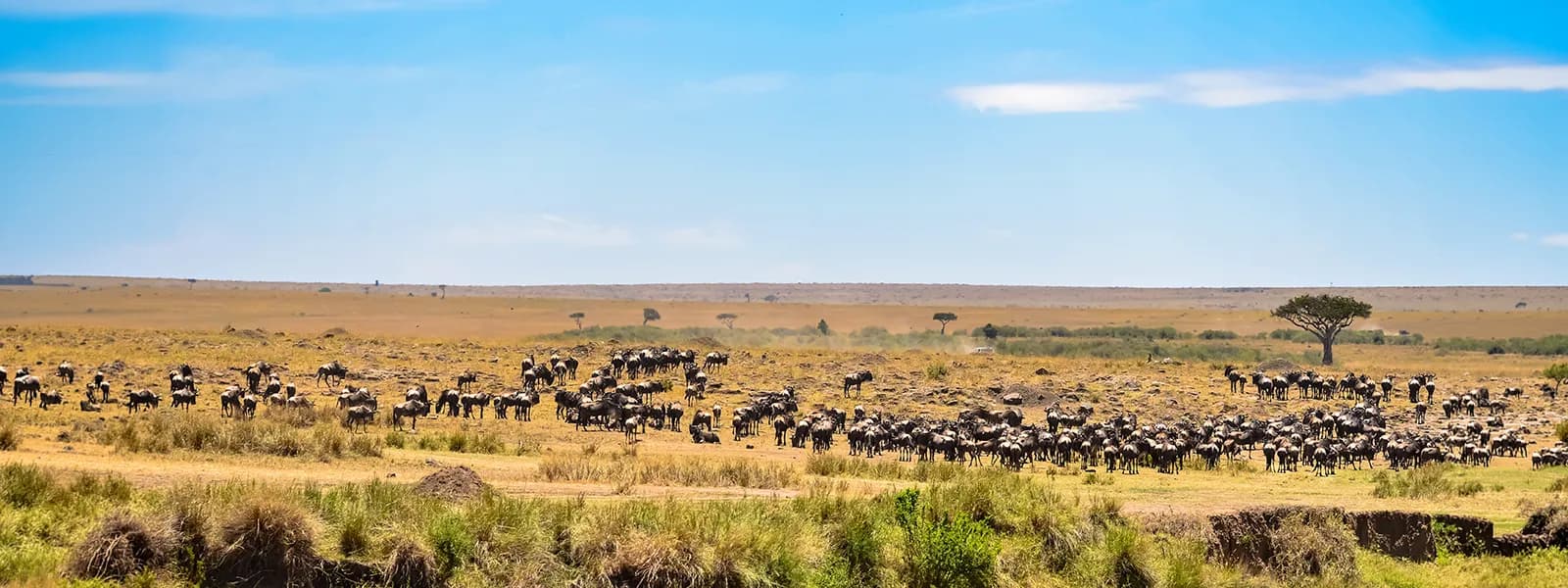
Mount Kilimanjaro Climb - Complete Guide for First-Time Climbers
A practical guide covering routes, preparation, fitness, gear, altitude, costs, and essential tips for a successful Kilimanjaro climb.

by Gervas Ngikari
Fri Sep 18 2026
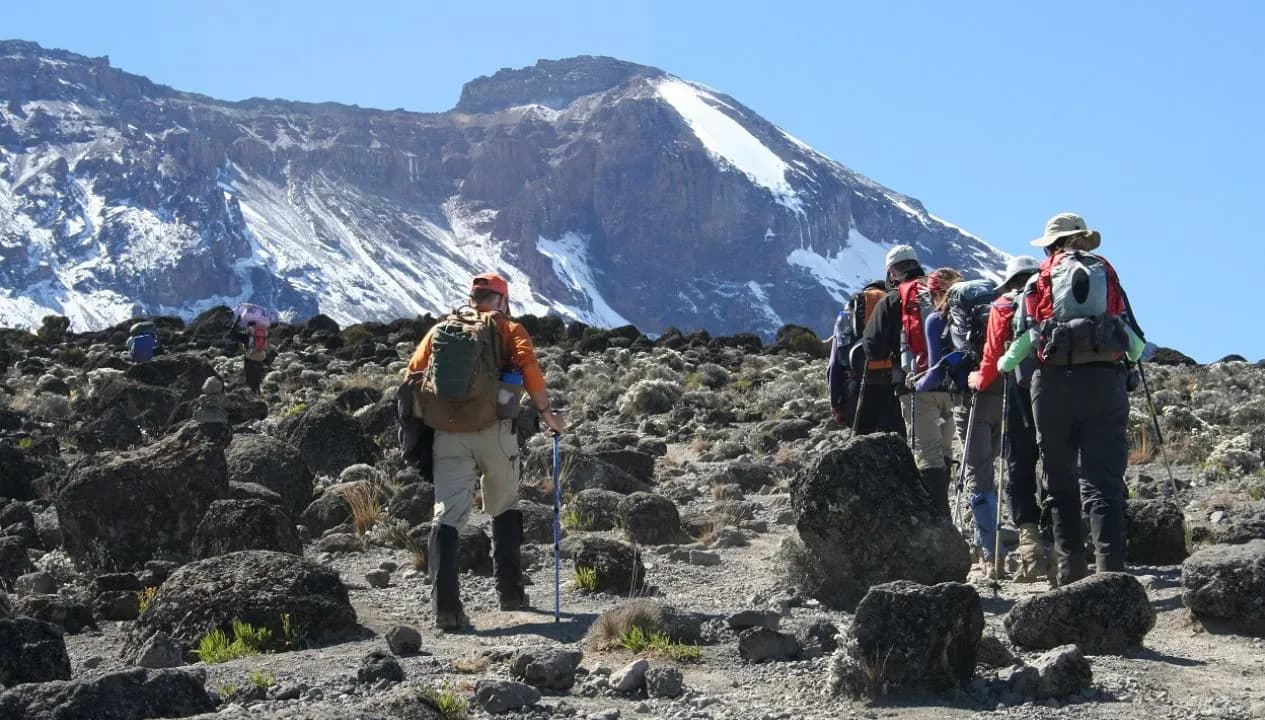
Climbing Mount Kilimanjaro is
achievable for first-time trekkers, but it takes more than being able to walk
long distances. A Mount Kilimanjaro Climb
lasts several days and takes you through changing weather, steep terrain, and
increasingly thin air. The trek ends with a demanding climb to Uhuru Peak
at 5,895 metres. You do not need technical mountaineering skills on the
standard routes, but you do need proper preparation, suitable gear, patience
and enough time to acclimatize.
Kilimanjaro has six main routes to the
summit, so first-time climbers can choose an itinerary that suits their
fitness, schedule and preferred trekking style.
Can beginners Climb Mount Kilimanjaro?
Beginners can Climb Mount Kilimanjaro. The standard routes do not need technical mountaineering skills. You still need good fitness and preparation. Proper acclimatization is also important. Good clothing and suitable gear will help. An experienced mountain team can also make the trek easier. A longer route gives your body more time to adjust to the altitude.
Quick Facts
- Location: Tanzania, East Africa
- Highest point: Uhuru Peak
- Elevation: 5,895 m / 19,341 ft
- Type: Guided high-altitude trek
- Technical climbing: Not normally required on standard summit routes
- Main routes: Machame Route, Lemosho Route, Marangu, Rongai, Northern Circuit and Umbwe
- Typical duration: 5–8 days, depending on the route and itinerary
- Main challenges: Altitude, long walking days, cold and changing weather
- What helps: Fitness, acclimatization, suitable gear and experienced guides
What Is Mount
Kilimanjaro Climbing Really Like?
A Kilimanjaro Trek is far more than a long hike; the landscape itself transforms as you climb. You begin under forest canopy, and as you gain elevation, the trees give way to open moorland, then to drier, more rugged terrain. By the time you're nearing the summit, the environment feels stark, exposed, and cold. Most trekking days involve several hours of walking, and your guide will deliberately set a slow, steady pace not because the distance demands it, but because it conserves energy and gives your body extra time to adjust to the altitude.
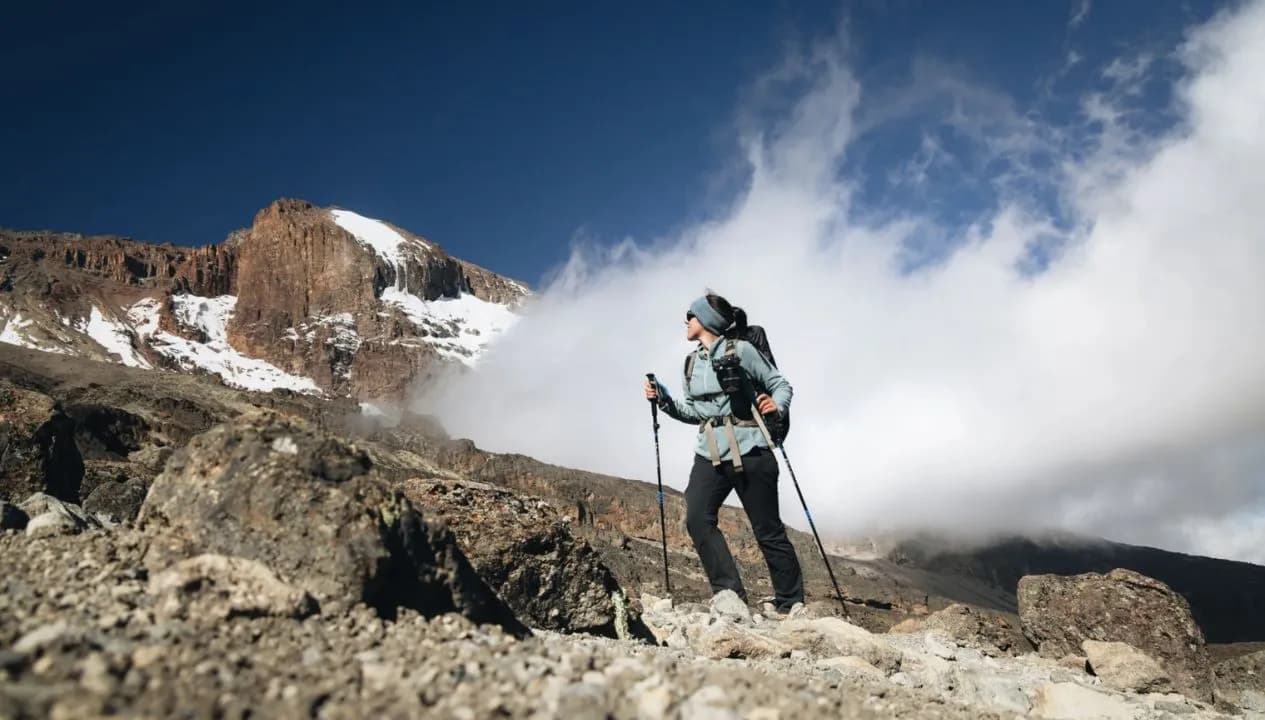
Weather on the mountain can turn quickly. Sun, rain, wind and cold can all show up within the same day. Summit night stands apart from everything else on the trek: most climbers leave camp in darkness, walking by headlamp as temperatures drop sharply and the air thins further. Every step can feel harder up there, which is exactly why your guide stays close, sets the pace, and watches the group carefully.
Which Kilimanjaro Route
Should First-Time Climbers Choose?
Kilimanjaro has six main routes, each
route offers a different experience. Machame
is popular for its varied scenery. It also uses campsites; Lemosho takes a
longer approach. This gives you more time on the mountain. Marangu uses
mountain huts instead of tents. Rongai approaches
Kilimanjaro from the north. The Northern Circuit takes the longest route
around the mountain. It also gives you plenty of time to acclimatize; Umbwe
follows a steeper and more direct route.
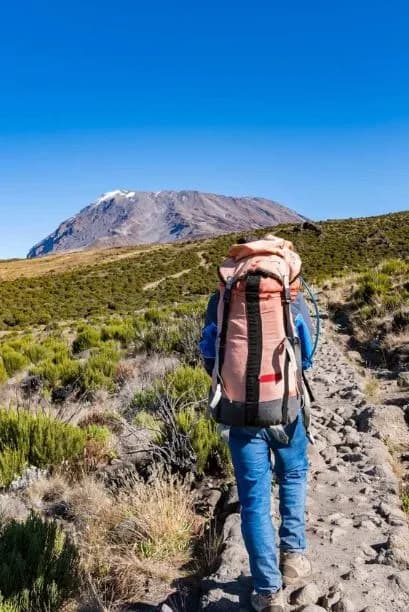
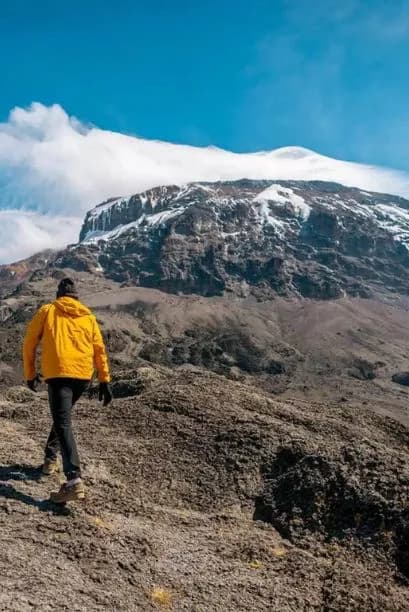
TANAPA recognizes six main routes to the
summit. There is no single route for every first-time climber. Think about your
available time. Consider your fitness level too. Your preferred accommodation
also matters. So does the amount of acclimatization time you want. A longer
itinerary can give your body more time to adjust.
How Difficult Is Mount Kilimanjaro to Climb?
The real challenge on Kilimanjaro comes
from altitude and endurance rather than technical difficulty. You'll walk for
several hours most days, across sections that can be steep or uneven, but
climbing skills aren't part of the equation. Summit night is where the trek is
hardest you set off in darkness, into cold that bites and air that feels
noticeably thinner with every step. Good fitness helps you manage the long
days, but it isn't the whole story.
Fitness alone can't prevent altitude
sickness, because everyone responds to altitude differently. That's why proper Kilimanjaro
preparation goes beyond exercise: choosing a suitable route, understanding
what the trek actually demands, following your guide's instructions closely,
and being honest the moment something feels off. Hiding altitude symptoms is
one of the biggest mistakes a climber can make.
What to Pack for Mount Kilimanjaro Climbing
Clothing matters the most on the
Kilimanjaro trek. Temperatures change as you gain altitude, Layers make it
easier to stay comfortable. You can add or remove layers as conditions change.
Pack moisture-wicking base layers, Bring trekking trousers and a fleece.
A waterproof outer layer is also important & take a warm insulated jacket for
higher elevations.
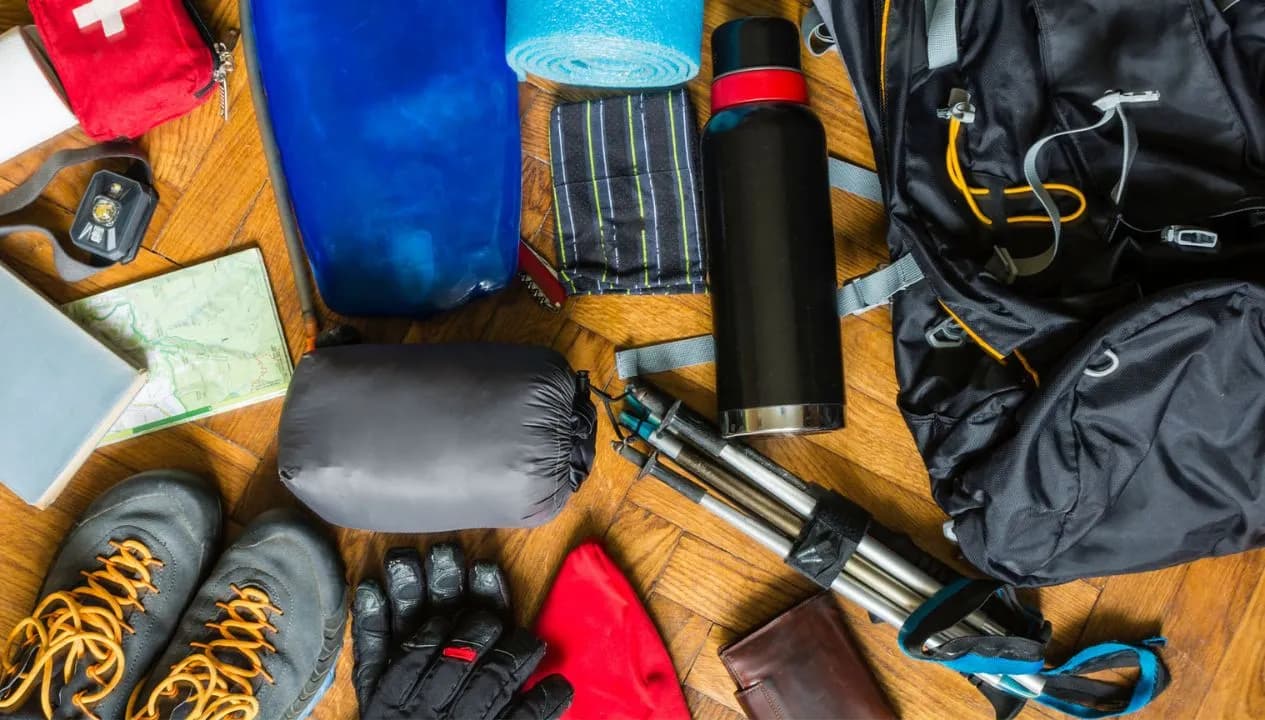
You will also need gloves, thermal
layers, and a warm hat. Sunglasses and sturdy hiking boots are essential
too. Pack trekking socks and a headlamp & Trekking poles can also help. Bring
sunscreen and personal medication, A basic first-aid kit is useful also Carry
suitable water containers and a comfortable daypack. Your operator should
explain which camping items they provide.
Altitude and Acclimatization on Mount Kilimanjaro
Altitude is one of the main challenges on
Kilimanjaro. The air contains less available oxygen as you climb, Your body
needs time to adjust. This process is called acclimatization. Headaches
can occur at altitude so can nausea, dizziness and unusual tiredness. Tell
your guide if you notice these symptoms. Do not assume you
should simply keep walking. Your guide can assess the situation and decide what
to do next.
Fitness does not guarantee that you will
avoid altitude problems. A longer itinerary can give your body more time to
adjust. It does not remove the risk. Listen to your guide throughout the trek.
Take any unusual symptoms seriously.
Did You Know?
Best Time to Climb Mount Kilimanjaro
January and February are popular months
for climbing Kilimanjaro. June through October also attracts many trekkers.
These months usually have drier conditions. March to May brings long rains.
November and December can bring shorter rains. Mountain weather can change
quickly. This can happen even during the dry season. Conditions also change
with altitude. You may find sunshine lower down.
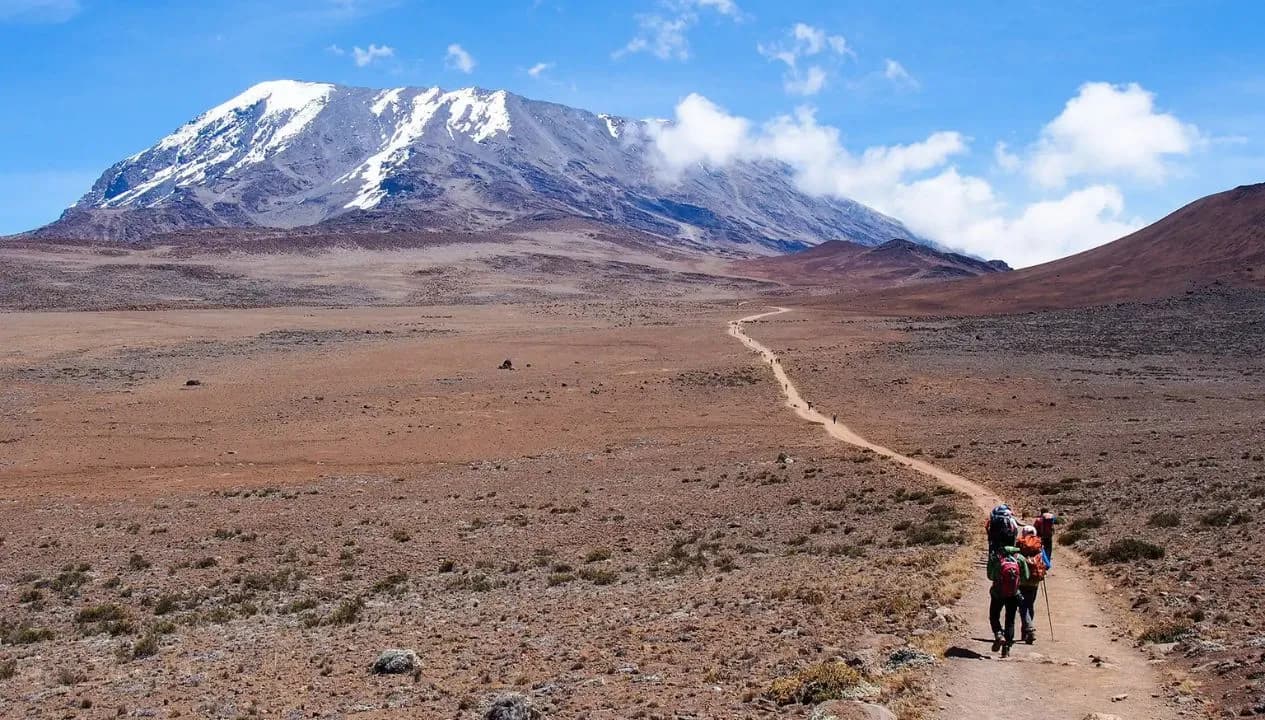
Higher sections can be cold and windy. Rain can also appear without much warning. The summit remains cold throughout the year. The best time depends on your priorities. Many trekkers prefer the drier months. These periods can offer more favourable trekking conditions. Still, you should prepare for changing weather in every season. Always pack warm and waterproof layers.
What Do Kilimanjaro Guides and Porters Do?
A mountain guide does much more
than lead the group. Guides manage the route, they set the walking pace & they
also manage the daily schedule. They watch trekkers for signs of altitude
problems. Porters carry equipment and supplies. They help move the gear
needed for the trek. Depending on the operator, the support team may also
prepare camps. They may help with meals and other daily tasks.
This lets trekkers focus on the climb.
Kilimanjaro climbs must use licensed operators, solo trekking is not permitted.
Your mountain team should include qualified guides & the operator should also
follow the required safety standards.
Can You Combine Mount Kilimanjaro Climbing with Tanzania Safaris?
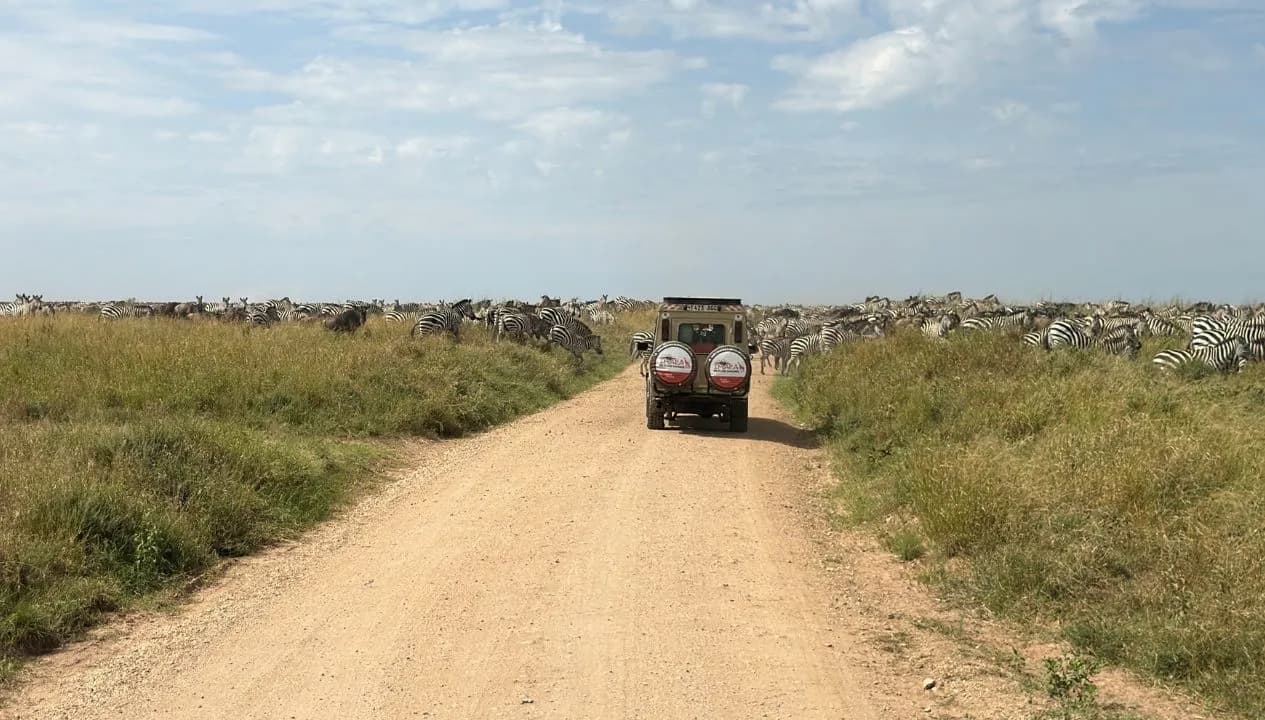
Many travellers combine a Mount
Kilimanjaro Climb with Tanzania Safaris.
You can visit several wildlife destinations after the trek. Popular options
include Serengeti
National Park, the Ngorongoro Conservation Area, Tarangire National
Park and Lake Manyara National Park.
Plan Your Kilimanjaro
Adventure With Imara Kileleni Safaris
Mount Kilimanjaro Climbing can be a
rewarding challenge when you approach it with the right preparation and
support. You do not need technical mountaineering experience on the standard
routes, but you should choose a suitable itinerary, prepare for long trekking
days, and allow enough time for acclimatization.
With Imara Kileleni Safaris, you
can plan your climb around your fitness, schedule and preferred route. Our
experienced mountain team supports you throughout the trek, from route planning
and preparation to the final push toward Uhuru Peak. Once you reach the
summit, you can extend your Tanzania trip with a wildlife safari or a relaxing
stay in Zanzibar.
Yes, Beginners can climb the standard Kilimanjaro
routes. You do not need technical mountaineering experience. The trek still
involves long walking days and high altitude. Fitness and preparation are
important. Good equipment and experienced guides also help.
TANAPA states that climbing Kibo
generally takes 5–8 days. The exact duration depends on the route. Some
itineraries take longer. Extra days can provide more time for acclimatization.
There is no single route for every
beginner. Machame, Lemosho, Marangu, Rongai, Northern Circuit and Umbwe all
differ. Look at the number of days. Check the accommodation style. Consider the
terrain and acclimatization time. Then choose a route that fits your needs.
You should be comfortable walking for
several hours. You should also handle several trekking days in a row. Walking,
hiking and stair training can help. Cardio and strength training are useful
too. You do not need to be an elite athlete. Regular training is more
important.
Pack your clothes in layers. Bring sturdy
hiking boots. Base layers and warm insulation are important. You also need
waterproof outerwear. Pack gloves, a warm hat and sunglasses. Sunscreen, a
headlamp and trekking poles are useful. Carry water containers and personal
medication too.
Climbing Kilimanjaro requires
careful preparation. Altitude can create serious risks. Use a licensed operator
and an experienced mountain team. Ascend gradually. Tell your guide about any
unusual symptoms. Prepare for cold, rain and changing mountain conditions.