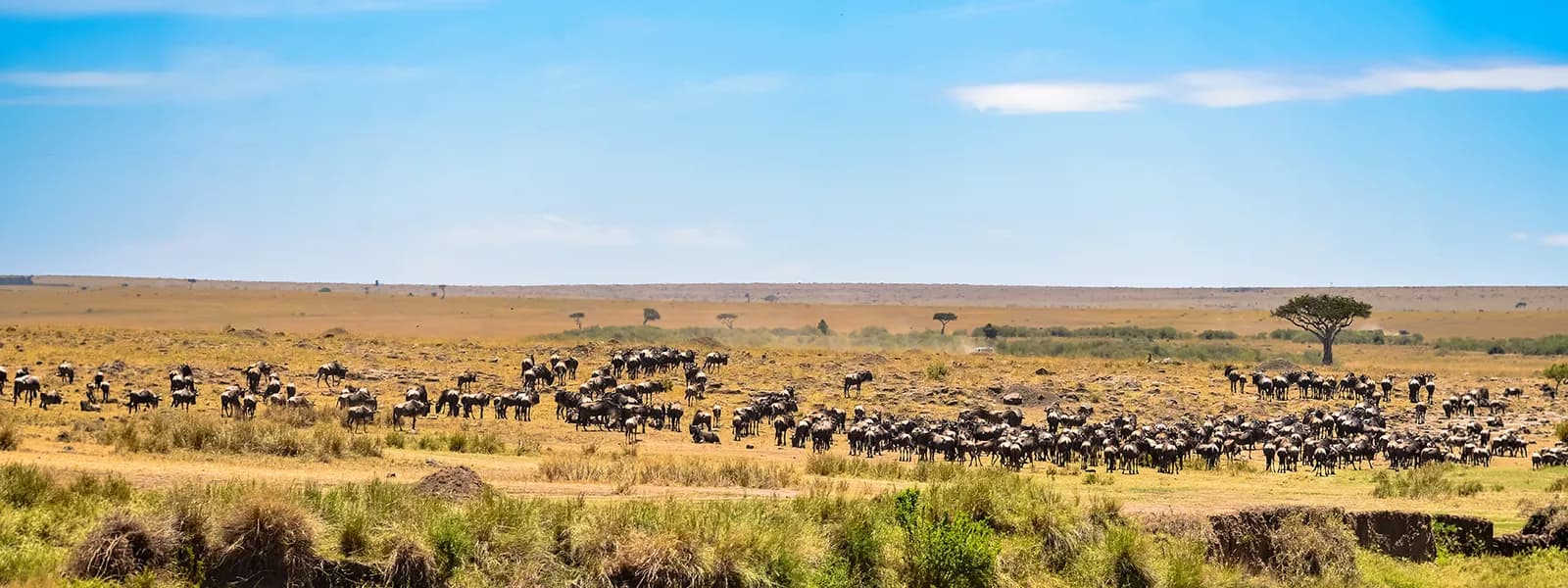
Arusha Walking Safari Experience - Swati and Arpit's Journey into Tanzania's Wild
A Step-by-Step Adventure Through Arusha’s Untamed Wilderness, Wildlife, and Natural Beauty.

by Gervas Ngikari
Mon Sep 07 2026
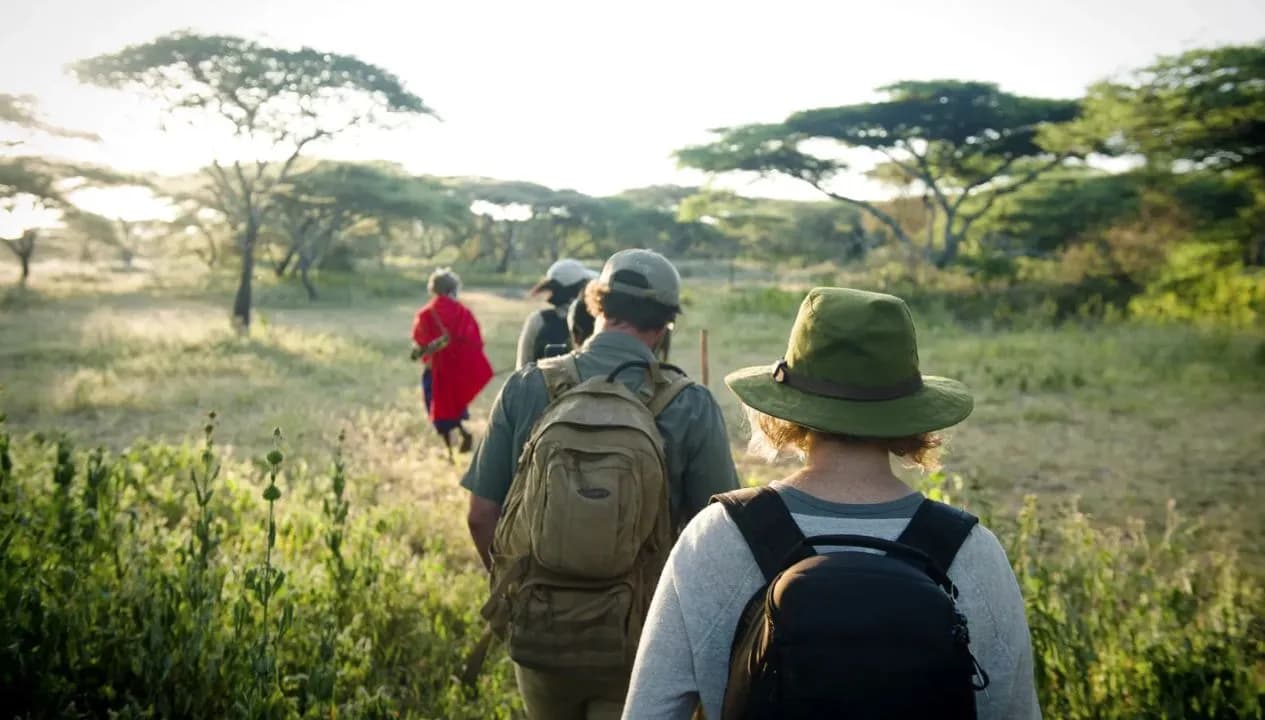
Swati Narang and Arpit Goyal's Arusha
Walking Safari allowed them to experience Tanzania's wilderness in a new
way. Rather than exploring the park by safari vehicle, they walked nature
trails with their guide and an armed ranger in Arusha National Park. Each step revealed something they might have missed on a
regular game drive, from fresh tracks and distant animal calls to the scent of
the bush after the morning dew.
Their experience with Imara Kileleni
Safaris proved that sometimes the best way to embrace the wild is to turn off
the engine, get out and become part of the environment.
Leaving the Safari Vehicle Behind
Most tourists imagine a Tanzania Safari as a 4x4 game drive through open landscapes in search of
wildlife. While a walking safari is a wonderful way to explore Tanzania, it
offers a completely different perspective.
For Swati and Arpit, the experience
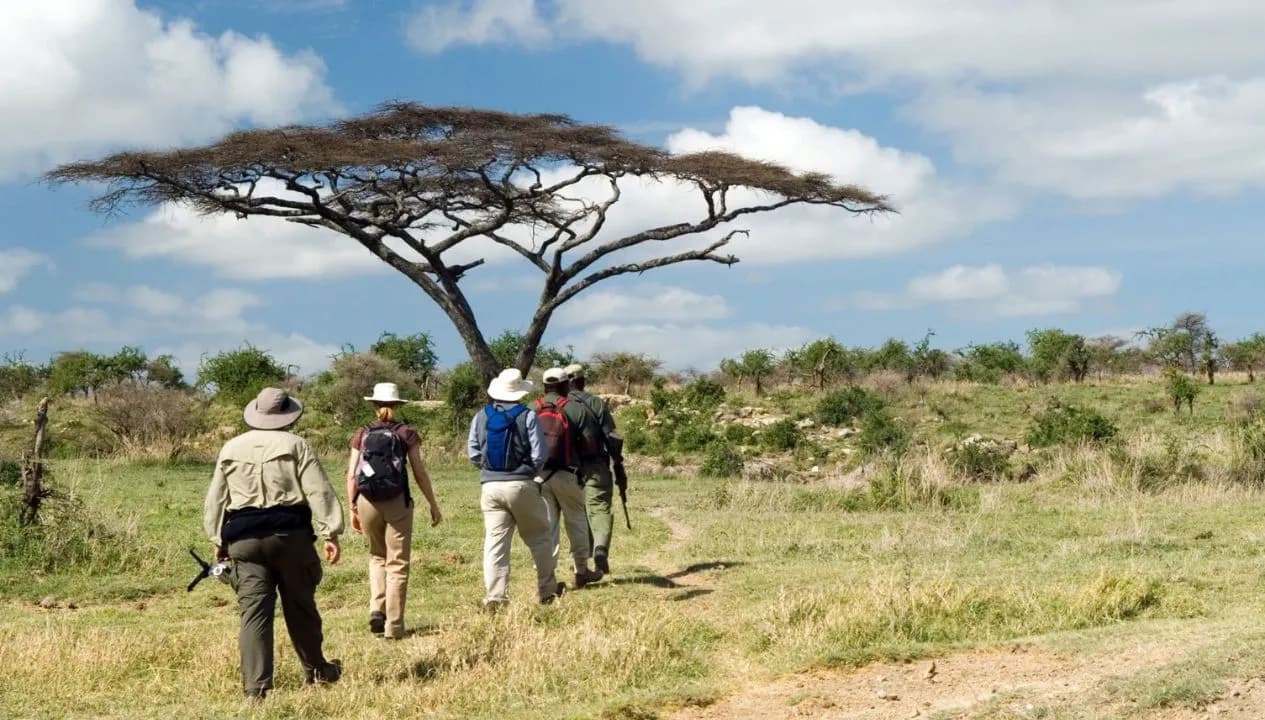
began on the walking trails of Arusha National Park. With a guide and an armed
ranger accompanying them, the couple could explore the trails at a slower, more
relaxed pace. There was no need to rush from one wildlife sighting to the next.
But the trail itself became part of the adventure. Something to notice at every
step.
Fresh tracks appeared along the
trail. The air carried the fresh scent of the Morning Bush. There were
sounds of wildlife in the distance. The landscape began to feel less like
something they were observing and more like a place they were temporarily part
of. This is what a walking safari is all about.
What Swati and Arpit Experienced on Their Walking Safari
The
safari walking starts with Swati and Arpit being guided by a ranger and gunman
on the trails of Arusha National Park. Without the engine sound of a safari
vehicle, they soon paid attention to the noises and sights around them. Animal
footprints in the ground indicated that some animals had been passing through
the area, and distant calls heightened the sense of being in the bush. This
also impacts how they experience safari when walking slowly.
Rather
than just "hunting" for the next animal sighting, they might focus on
what is going on around them in smaller detail. This is more personal and
intimate than a conventional game drive, and it made them feel more part of
Tanzania's wilderness.
The Details You Notice on Foot
Walking
changes the way you observe and pay attention. On a safari, when you're
focused on spotting big animals, you can develop “tunnel vision”—paying
attention only to the animals and missing everything else.
But
when you're on foot, you move more slowly and notice the small
details around you: plants, insects, tracks, sounds, smells, and the
landscape. These little observations add more depth and richness to the overall
experience.
Walking through the wilderness
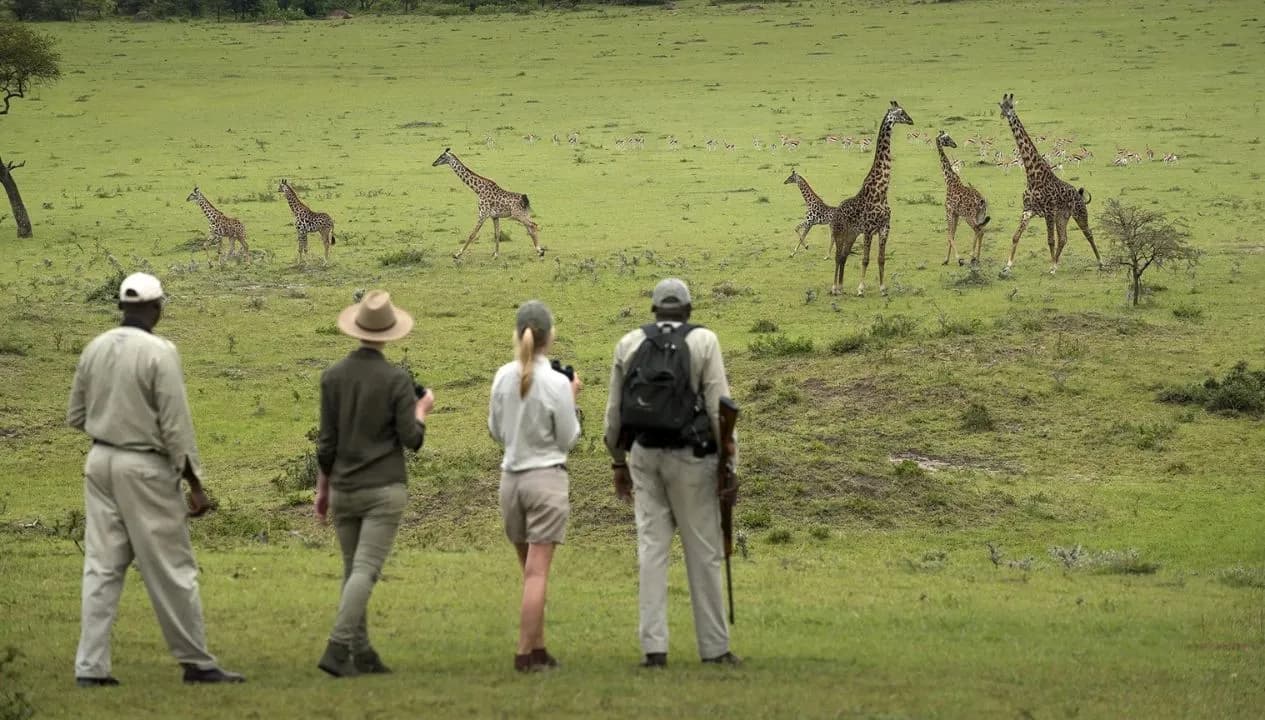
helped Swati and Arpit notice details they might otherwise have overlooked —
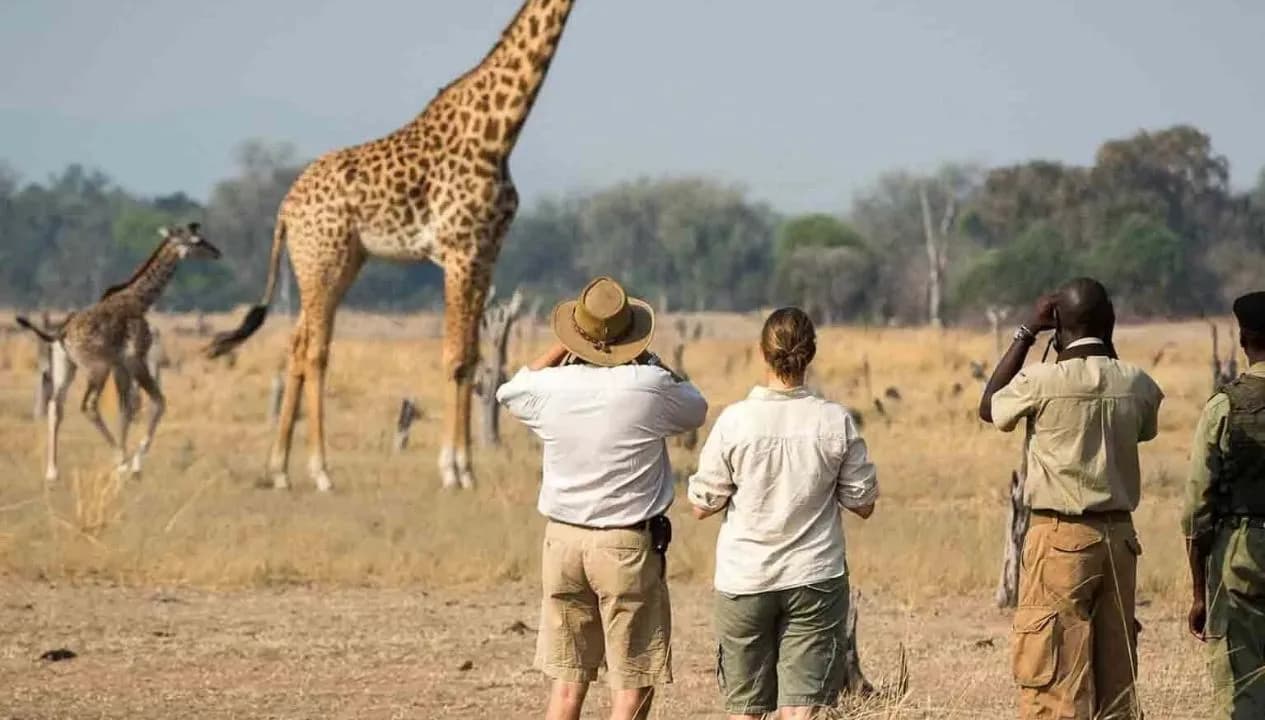
from animal tracks in the soil to the towering presence of a giraffe and
the distinctive scent of the bush after rain or at sunrise. Footprints in the
dirt are more than just marks on the ground; they can offer clues about the
animals that passed by.
The distant call isn't just
background noise anymore. Changes in vegetation can cause a pause for
reflection. Walking encourages curiosity, patience, and a keener sense of
observation. You start asking, ‘What is happening around us right now?’ rather than
“What animal will we see next?’ A change of attitude can make a safari a
more immersive experience.
Wildlife at Ground Level
During an Arusha Walking Safari,
you may encounter animals such as giraffes, zebras, buffaloes, warthogs and
colobus monkeys.
The real difference lies not just in
what you see, but in how you experience it. Seeing a giraffe from a safari
vehicle is impressive but standing on the ground beneath such a tall and
graceful animal creates a very different sense of scale. When a colobus monkey
moves through the trees, you also become more aware of the surrounding forest
habitat.
The tracks on the trail remind you
of the animals that have passed through this area before you. These moments
made safari walking more than simply a wildlife-viewing activity. The
experience became an opportunity to learn about the environment and understand
the connection between animals and their surroundings.
Walking With a Guide and Armed Ranger
A walking safari calls for a
different type of preparation and awareness than a typical Tanzania Game Drive.
That's why having an expert guide and an armed ranger is essential.
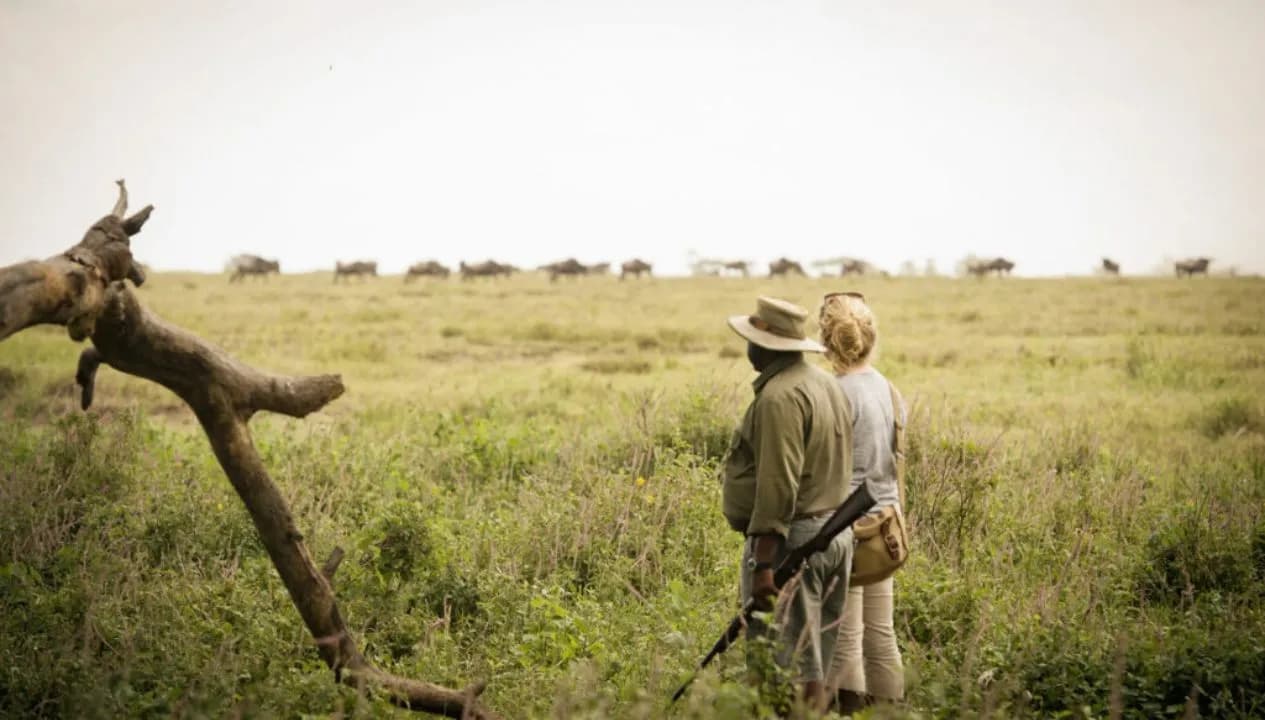
The guide helps visitors understand
the environment, identify tracks and signs, interpret wildlife behaviour, and
notice details that an untrained eye might miss. While the guide provides
interpretation and insight, the armed ranger adds an important layer of
protection as guests walk through wildlife habitats.
With these professionals by their
side, Swati and Arpit could focus on enjoying the experience while following
the necessary safety instructions. The guide was doing more than simply leading
them from one place to another.
A trail could reveal evidence of
wildlife. A distant sound might prompt them to stop and listen. A plant might
become the starting point for a conversation about the surrounding ecosystem.
That combination of expertise, interpretation, and safety is what makes a
professionally led walking safari so rewarding.
When the Wilderness Feels Closer
There is something special about exploring
Tanzania's wilderness without the noise of a safari vehicle. Swati and
Arpit got to experience walking at nature's pace. No hurry to go from one
destination to the next. No hurry to cover longer distances. It was simply the
visitors, the guide, the ranger, and the surrounding wilderness.
Every sound seemed louder. Every
detail seemed more immediate. The bushes appeared larger. And each step was an
adventure. This is one of the most unique features of safari walking.
The experience isn't about how many kilometers
you cover or how many animals you spot. Rather, it means being attuned to the
environment that you are in.
Discovering a Waterfall Along the Way
The walk also led them to a
beautiful waterfall surrounded by a rugged, tree-covered landscape. It
was another reminder that an Arusha National Park adventure doesn't have to be
all about wildlife. The waterfall created a completely different atmosphere.
The roar of the water replaced the
hum of the safari vehicle. The rocky landscape provided a natural setting to
stop, explore, and be a part of the surroundings. These unexpected moments are
often when a walking safari becomes most memorable. The journey becomes a blend
of wildlife, landscapes, movement, and discovery.
You might begin the walk looking for
animal tracks, only to discover that some of the most memorable moments come
from exploring places that have nothing to do with wildlife.
More Than Seeing Nature
Walking Safaris can also change the way people
think about conservation. As you move slowly through a natural space, you begin
to see how everything is interconnected.
Plants provide both food and
habitat. The tracks of animals are exposed along the trails. Every sound offers
a clue about what is happening around you. The landscape supports an entire
ecosystem that visitors may not fully appreciate during a brief Wildlife-Viewing
experience.
Swati and Arpit's experience reflect
the value of slowing down and appreciating the environment around you. Spending
time closer to nature can deepen our appreciation of these environments and
strengthen our understanding of why they need to be protected for future
generations.
A Personal Touch from Imara Kileleni Safaris
For Imara Kileleni Safaris, a safari
is more than just a trip to a wildlife reserve and observation of fauna.
The people who serve and assist guests are a vital part of the safari
experience. This personal approach was also highlighted in Arpit Goyal's guest
review of his Tanzania Trip with Imara Kileleni Safaris.
He praised the company's personal
approach and responsiveness, noting that when minor issues arose, the team was
always ready to help and acted quickly to resolve them. He also praised the
guiding team for its dedication, warmth and professionalism, while giving
special thanks to the coordination team and to Blanca for her support.
His review highlights something many
travellers value in a safari company: not just the ability to organise a trip,
but genuine care for how the entire experience is delivered. This level of
attention can make a real difference on a walking safari, where professional
guidance, clear communication and attentive service are especially valuable.
Why have a walking safari in Arusha?
For travellers who have already
experienced a Traditional Game Drive, a walking safari offers a
different way to discover Tanzania. It allows you to:
- Enjoy the wilderness at ground level.
- Look for animal tracks and other details.
- Pay closer attention to the noises of the natural world.
- Slow down and enjoy the environment.
- Learn from an experienced local guide.
- Explore with the support of an armed ranger.
- Discover natural attractions such as waterfalls.
- Develop a deeper connection with nature.
Most of all, walking changes the
pace of the safari. You stop rushing; start observing and start to value
experiences that you may not have noticed.
When Every
Step Becomes Part of the Adventure
A traditional game drive
allows you to cover large areas and search for wildlife across the park. A
walking safari, by contrast, allows you to slow down and experience those
landscapes up close.
You see footsteps on the ground.
Animals are heard in the background. One of the first things you notice is the
fresh scent of the bush in the morning. You have a different outlook on the
animals. Sometimes you arrive at a waterfall, surrounded by the sounds of
nature, and simply want to pause and take it all in.
That is what makes a walking safari
unique. You aren't simply observing nature; you're experiencing it. You are
part of it.
Learn about Your Walking Safari with Imara Kileleni Safaris.
Swati and Arpit's experience show
how stepping outside the traditional safari vehicle can offer a more personal
way to experience Tanzania's wilderness.
An Arusha Walking Safari Experience with Imara Kileleni Safaris offers a more intimate and immersive alternative to a traditional game
drive. It's not just about what you see — from wildlife tracks and giraffes to
waterfalls and the quiet sounds of the bush. It's about how closely you
experience your surroundings. It's about the emotions those moments create. But
most of all, it's about experiencing Tanzania, step by step.
An
Arusha walking safari is a guided experience on foot through Arusha National
Park. It lets travellers discover wildlife, animal tracks, plants and natural
surroundings from a closer perspective.
Yes,
walking safaris are conducted with trained guides and, where required, an armed
ranger. Guests should always follow the guide's safety instructions and
maintain a safe distance from wildlife.
Travellers
may encounter giraffes, zebras, buffaloes, warthogs and colobus monkeys. You
can also discover animal tracks, calls and other signs of wildlife along the
trails.
A
game drive allows you to cover more ground by vehicle, while a walking safari
offers a slower experience on foot. Walking also lets you notice smaller
details such as tracks, plants, and sounds.
Yes,
depending on the route, a walking safari in Arusha National Park can include a
visit to a waterfall. It adds a scenic and relaxing element beyond traditional
wildlife viewing.
Looking to Experience Tanzania from a Different Perspective?
Get in touch with Imara Kileleni Safaris to start planning your Tanzania Walking Safari.
Start Your PlanRelated Blog
Everything you need to know before planning your safari

Private vs Group Tanzania Safari: What Is the Difference?
Compare the flexibility, cost, privacy, and experience of private and group Tanzania safaris.

Serengeti vs Ngorongoro vs Tarangire: Which Tanzania Safari Parks Should You Visit?
Compare Tanzania’s Top Safari Parks for Wildlife, Scenery, and Safari Experiences.

How Many Days Do You Need for a Tanzania Safaris?
Explore the ideal safari duration, from short wildlife escapes to immersive Tanzania safari adventures.

The German Guide to Tanzania Visas - Everything You Need Before You Book Your Safari
A Complete Guide for German Travelers on Visa Requirements, Applications, and Entry Rules for a Hassle-Free Tanzanian Safari.

From France to the Serengeti: A Couple's First Encounter with the Great Migration
A Romantic African Escape Filled with Wildlife, Wonder, and Discovery

Why French Travellers Choose Tanzania for Their Dream Safari Experience
Explore the breathtaking wildlife, luxury lodges, and unforgettable adventures that make Tanzania a favorite safari destination for French visitors.

A Great Tanzania Safari Starts with a Great Safari Guide - Here's Why
Discover How an Expert Safari Guide Can Turn Your Tanzania Adventure into an Unforgettable Wildlife Experience

What is the best time to visit Tanzania for a safari?
The best time for a Tanzania safari is generally from June to October for dry-season wildlife viewing, while January to March is ideal for the Serengeti calving season.

From Frankfurt to Kilimanjaro Airport - The Best Routes for Your Tanzania Safari
Discover the fastest flight routes, airline options, and travel tips for a smooth journey from Frankfurt to Kilimanjaro Airport and your unforgettable Tanzania safari.

Serengeti Shall Not Die - The Legacy of Bernhard Grzimek for German Travelers
Discover how Bernhard Grzimek's conservation vision continues to inspire German travelers exploring Tanzania's iconic Serengeti National Park.

The Silence of a Tanzania Safari at Sunrise
Experience the peaceful moments of dawn as Tanzania's wilderness awakens with the first light of day.

How Predators and Prey Interact in Tanzania National Parks
Explore the fascinating balance of survival in Tanzania’s national parks, where predators hunt, prey adapt, and every encounter shapes the rhythm of the wild ecosystem.

How Wildlife Reacts to Safari Vehicles?
Discover how safari vehicles influence animal behavior and learn why most wildlife views them as a harmless part of their natural environment.

The Difference Between Seeing Wildlife and Experiencing Wildlife
Go beyond simple sightings and connect with nature through immersive safari moments, where every animal encounter, landscape, and sound creates unforgettable memories in the wild.

How Different Weather Conditions Change Safari Experiences
Weather conditions shape every safari experience, from lush green landscapes and newborn wildlife during rainy seasons to dramatic wildlife sightings, migrations, and clear game-viewing opportunities in dry seasons.

Why Two Travelers Experience the Same Safari Differently
No two travelers experience the same safari in the same way because changing wildlife behavior, weather, timing, guide perspective, and personal interests create completely unique and unrepeatable moments for each journey.

Why Some Safari Moments Cannot Be Captured on Camera
Some safari experiences go beyond what a camera can capture—from the distant roar of a lion and the scent of the wild to the emotions of witnessing nature unfold in real time, creating memories that stay with you long after the journey ends.

Why Every Game Drive in Tanzania Feels Completely Different
Every game drive in Tanzania offers a unique experience, with changing landscapes, wildlife encounters, animal behaviors, and natural conditions ensuring that no two safaris are ever the same.

How Tanzania Safari Ecosystems Support Wildlife Survival
Discover how Tanzania’s diverse ecosystems—from the Serengeti plains to the Ngorongoro highlands—provide food, water, shelter, and migration routes that are essential for wildlife survival.

How Professional Safari Guides Track Wildlife in Tanzania
Discover how expert safari guides in Tanzania use animal tracks, sounds, scents, and behavior patterns to locate wildlife in the wild. Their deep bush knowledge transforms every safari into an authentic and unforgettable adventure.

How Safari Vehicles Influence Wildlife Experiences in Tanzania
Safari vehicles in Tanzania play a crucial role in shaping wildlife experiences by influencing comfort, visibility, accessibility, safety, and the overall quality of game viewing during safari adventures.

The Difference Between Standard and Premium Tanzania Safari Experiences
Discover the key differences between standard and premium Tanzania safari experiences, from accommodation and wildlife viewing to personalized services, comfort, flexibility, and exclusive safari adventures.

What Safari Guides See That Travelers Usually Miss
Discover the hidden wildlife behaviors, subtle animal movements, and untold bush details that experienced safari guides notice long before most travelers do.

What Luxury Really Means on a Tanzania Safari
Luxury on a Tanzania safari is not just about five-star lodges, but about personalized experiences, private game drives, expert guides, seamless service, and unforgettable moments in the wild.

From Sunrise to Starlight: A Full Day on the Best Safari in Tanzania
Experience the magic of Tanzania from sunrise game drives to starlit evenings, where every moment on safari brings unforgettable wildlife encounters, breathtaking landscapes, and authentic African adventure.

Why Travelers Say the Serengeti Feels More “Alive” Than Other Safari Parks
The Serengeti feels more “alive” because wildlife moves freely across endless plains, creating nonstop natural drama and unforgettable safari moments.

Serengeti Safari Trends: When Most Travelers Visit and Why
Discover the best time for a Serengeti safari by understanding when most travelers visit, what attracts them each season, and how timing shapes the overall wildlife experience.

Tanzania Safari in Serengeti National Park: The Good, The Bad, and The Dust
A Serengeti safari delivers unforgettable wildlife encounters, breathtaking landscapes, and raw adventure — but travelers should also prepare for long drives, dusty roads, and unpredictable wilderness conditions.

Safari to Tanzania: Complete Guide, Costs, and Travel Tips (2026)
Plan your perfect Tanzania safari in 2026 with expert tips on costs, best parks, travel seasons, wildlife experiences, and safari planning essentials.

Best Tanzania Safari Company: How to Choose the Right One in 2026
A complete guide to choosing the best Tanzania safari company in 2026 by comparing experience, safety, guides, reviews, customization, pricing transparency, and overall safari quality for an unforgettable African adventure.
Private vs Group Tanzania Safari: What Is the Difference?
Compare the flexibility, cost, privacy, and experience of private and group Tanzania safaris.
Serengeti vs Ngorongoro vs Tarangire: Which Tanzania Safari Parks Should You Visit?
Compare Tanzania’s Top Safari Parks for Wildlife, Scenery, and Safari Experiences.
How Many Days Do You Need for a Tanzania Safaris?
Explore the ideal safari duration, from short wildlife escapes to immersive Tanzania safari adventures.