Serengeti Shall Not Die - The Legacy of Bernhard Grzimek for German Travelers
Discover how Bernhard Grzimek's conservation vision continues to inspire German travelers exploring Tanzania's iconic Serengeti National Park.

by Gervas Ngikari
Fri Jul 17 2026
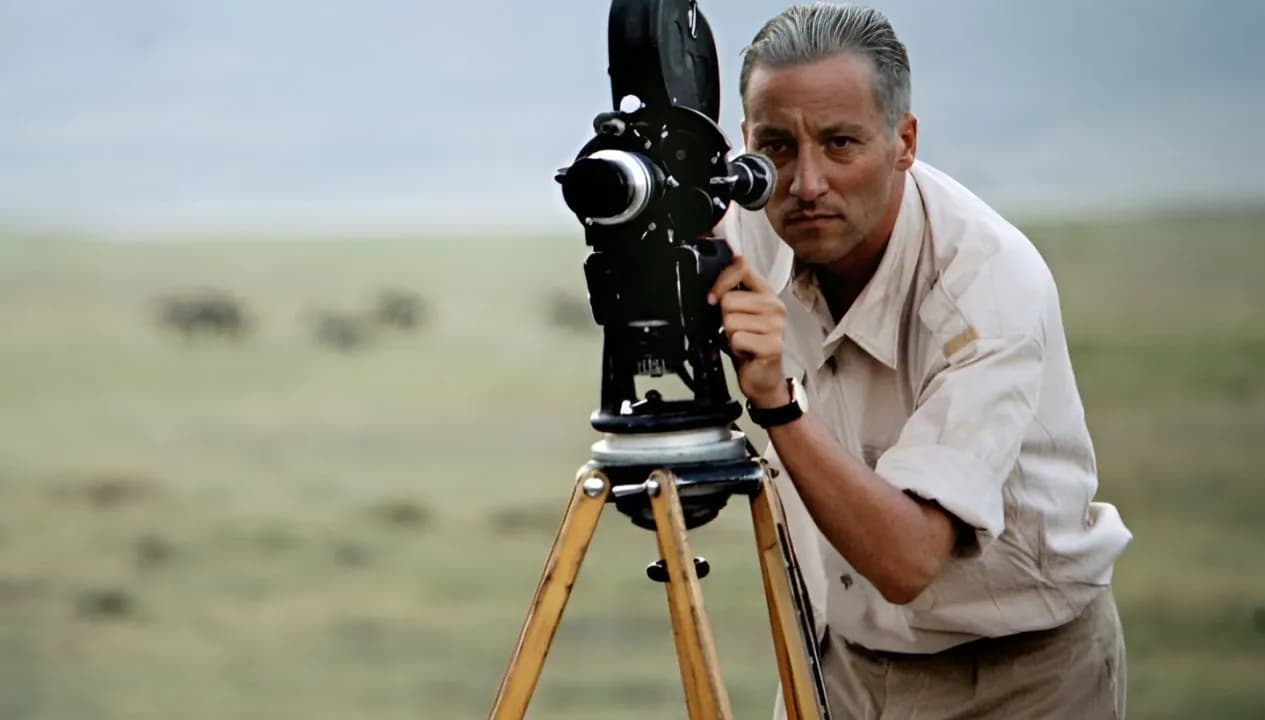
Serengeti Shall Not Die is a 1959 documentary and book created by Bernhard Grzimek with his son, Michael. Their aerial wildlife counts helped map migration routes and drew international attention to the protection of the Serengeti. The film connected scientific research, public education and the growth of modern safari tourism in Tanzania.
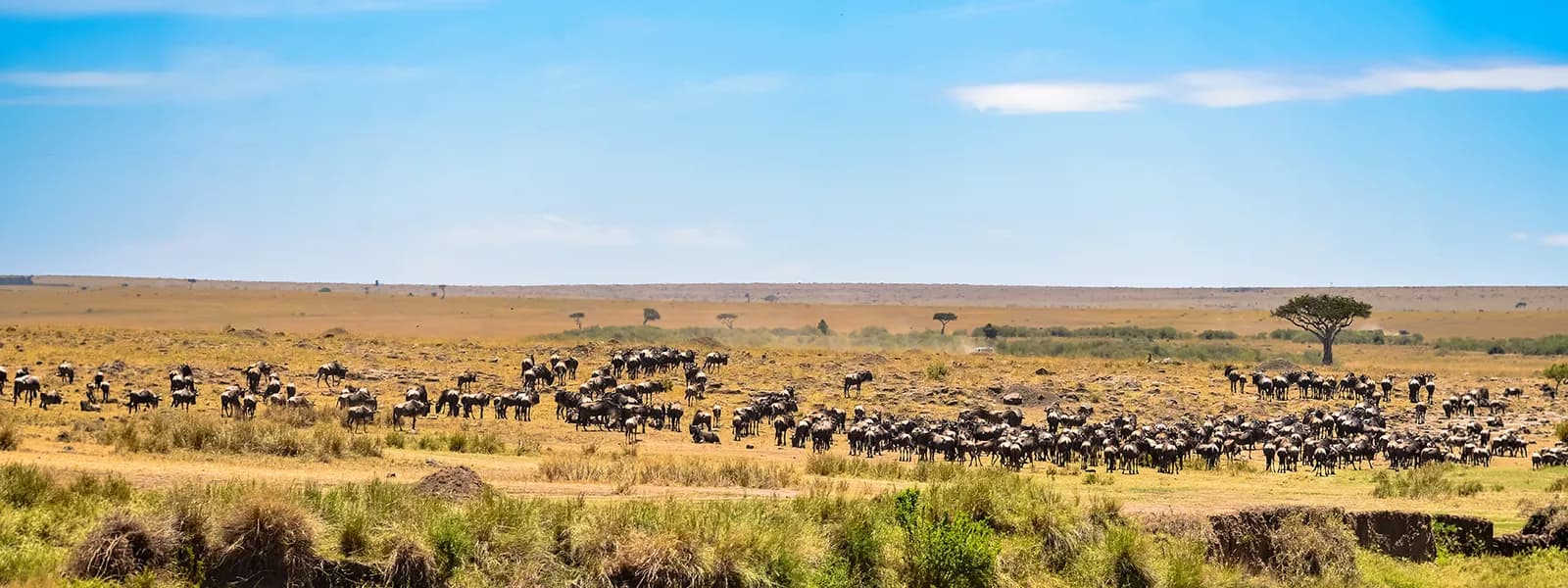
The Serengeti is one of the world’s best-known wildlife areas. German zoologist Bernhard Grzimek helped bring its plains, migrating herds and conservation pressures into homes across Europe. Serengeti Shall Not Die changed how many people understood the protection of African wildlife. German travelers still feel a strong connection to this story. A visit today links the animals seen during a game drive with the conservation work that helped keep their ecosystem open.
Quick Facts
Film Year: 1959
Creators: Bernhard Grzimek and Michael Grzimek
Location: Serengeti National Park, Tanzania
Focus: Wildlife conservation and migration mapping
Legacy: Global awareness of Serengeti protection
Impact: Long-term support for conservation and nature-based tourism
Bernhard Grzimek and the Work Behind the Film
Bernhard Grzimek was known in Germany long before many people there had travelled to East Africa. He worked as a veterinarian, zoologist, writer and filmmaker. He also managed Frankfurt Zoo from 1945 until 1974. Television helped him reach ordinary families.
He spoke about animals in a way people could understand, without keeping the subject only for scientists.
His programmes, books and films also raised money for wildlife projects.
His work in Tanzania became a large part of his life.
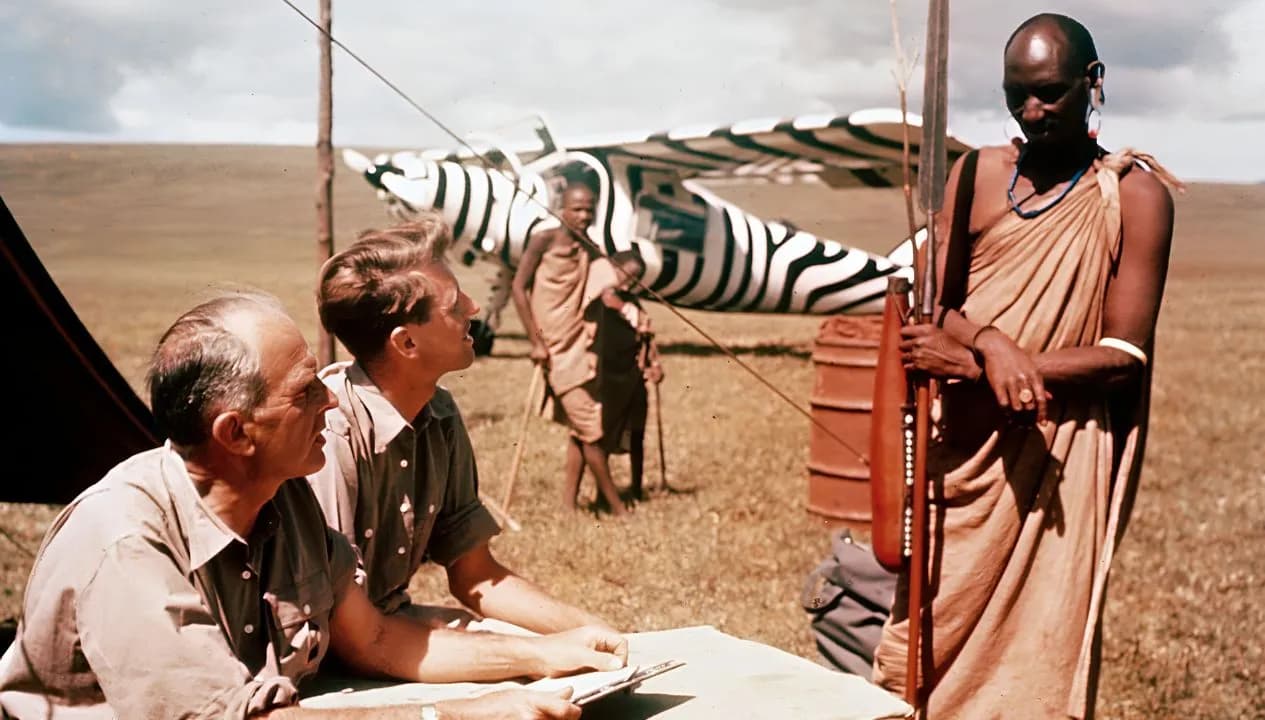
In the Serengeti, Bernhard worked with his son, Michael Grzimek. They used a small aircraft painted with zebra stripes. It looked unusual sitting on the open ground, but it had a practical purpose. The stripes made the plane easier to identify from below.
They flew over areas that were difficult to reach by vehicle. Roads were limited, and large parts of the plains could not be studied properly from the ground. From the air, they counted wildebeest, zebras, antelopes and other animals. They also watched where the herds moved during different seasons.
Those flights became part of an early wildlife monitoring program. The Frankfurt Zoological Society and Serengeti authorities continued similar work for many years.
The Story Behind Serengeti Shall Not Die
The film followed the wildlife surveys carried out by Bernhard and Michael. It showed large herds moving across open land, but it also asked a serious question. How could these animals survive if their migration routes were divided or closed?
The answer was not simple.
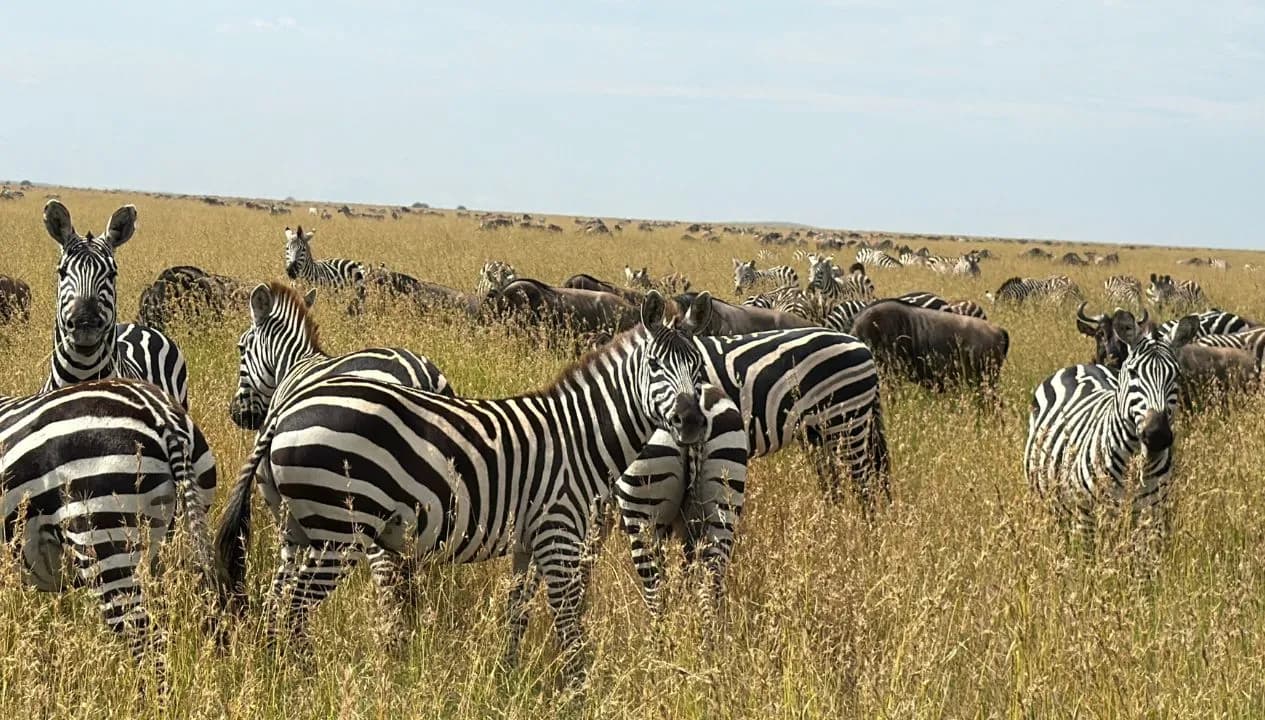
Wildebeest do not remain inside one small part of the park. They follow water and fresh grass. Zebras and gazelles move with them.
Protecting only the places where animals were seen during one survey would not have been enough.
The early research gave conservationists useful information about the wider Serengeti ecosystem. Still, some of the findings were incomplete.
Later studies showed that Bernhard and Michael had underestimated the importance of the northern Serengeti during the dry months.
Their suggested park boundaries could have made it harder for animals to reach the Mara River.
That part of the story is sometimes left out. But it is worth mentioning. Wildlife research changes when new information becomes available. Early studies can guide later work, even when some details are corrected.
Michael was not only the pilot. He helped with research, filming and animal counts. In January 1959, he died when the survey aircraft crashed during the project. He was 24 years old. The loss became closely tied to the film's history.
The documentary was completed and released later in 1959. It received the Academy Award for Documentary Feature in 1960. After that, the Serengeti was no longer a distant wildlife area known mainly by researchers. People across Germany, Europe and other parts of the world began talking about it.
How the Film Changed Serengeti Conservation
Serengeti National Park had already been established in 1951, several years before the documentary was released. The film did not establish the park. Its larger contribution was public attention.
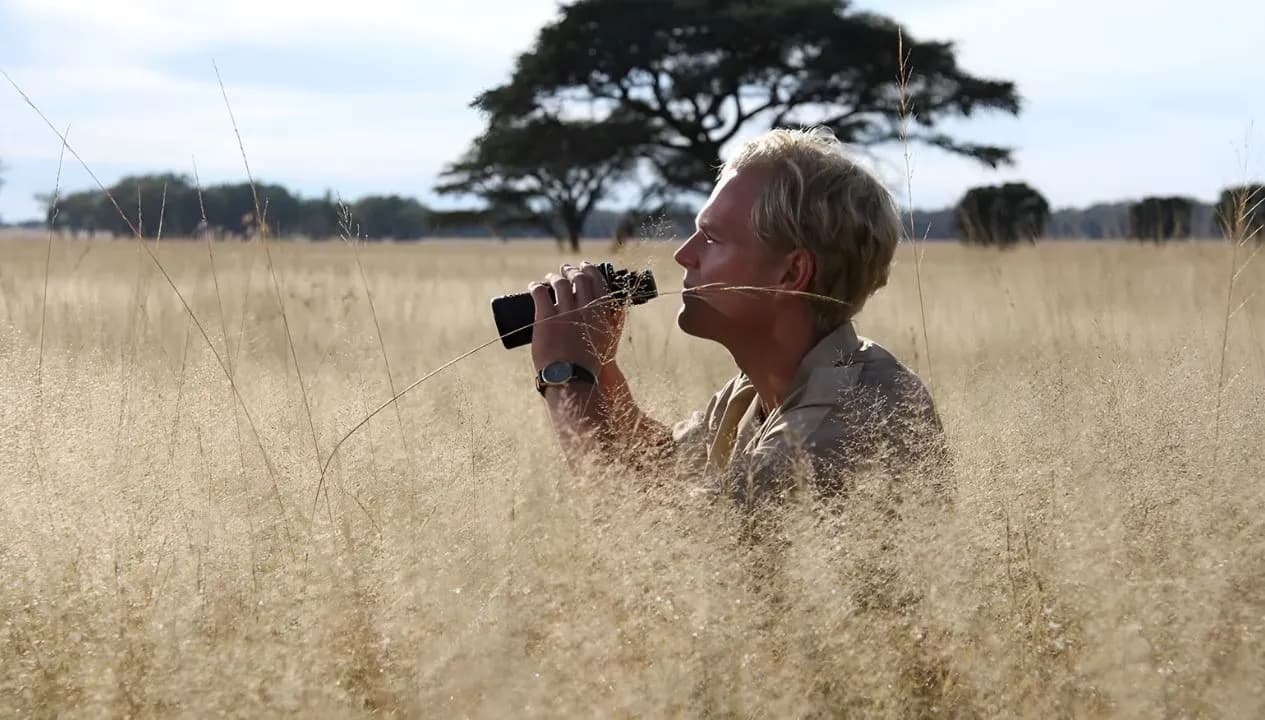
People saw that wildlife protection was not only about stopping hunters or placing guards around animals.
Water sources had to remain available. Grazing areas had to be protected. Migration routes also had to stay open.
The film and book helped bring these issues into public discussion.
They also encouraged financial support for animal counts, ranger equipment, habitat studies and anti-poaching work.
The Frankfurt Zoological Society remained involved in the region. Its work with park authorities continued for decades, including research, wildlife monitoring and practical support.
In 1981, Serengeti National Park became a UNESCO World Heritage Site.
There is another side to the conservation story. People also live around these protected areas.
The Ngorongoro Conservation Area was established in 1959. It was planned as a place where wildlife protection and Maasai pastoral life could exist in the same wider landscape. This relationship has never been completely simple. Land, grazing, tourism and conservation can create difficult questions.
Modern conservation cannot look only at animals. Local knowledge, income, grazing needs and community involvement also need attention. Wildlife protection works better when nearby communities are part of the discussion rather than treated as an outside problem.
Serengeti Today - From Legacy to Safari Destination
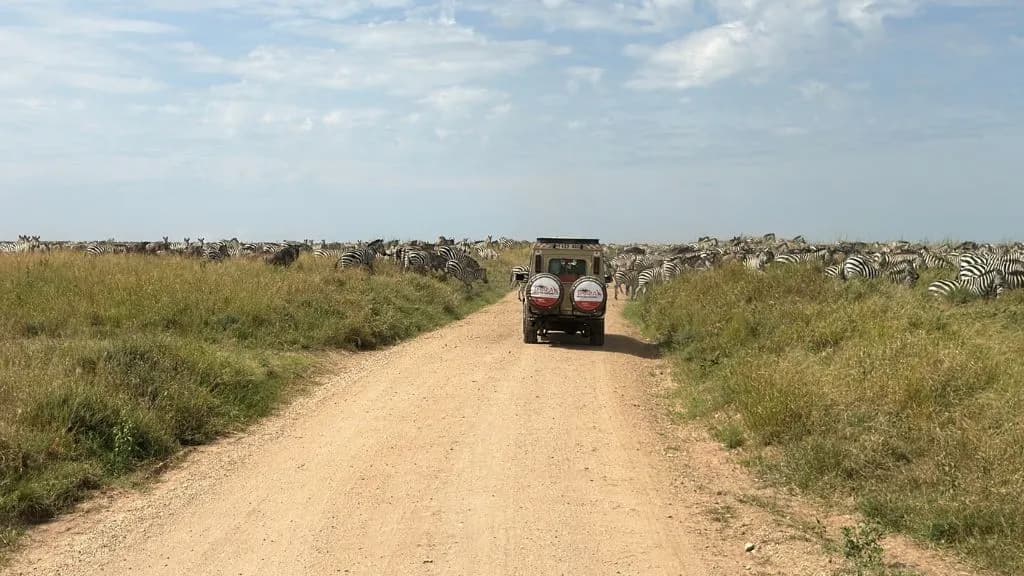
Much of the land once surveyed from the zebra-striped aircraft can now be seen during a game drive.
Witnessing the Great Migration
The Great Migration Serengeti cycle continues throughout the year. Wildebeest, zebras and gazelles move through Tanzania and towards Kenya’s Masai Mara before returning south again.
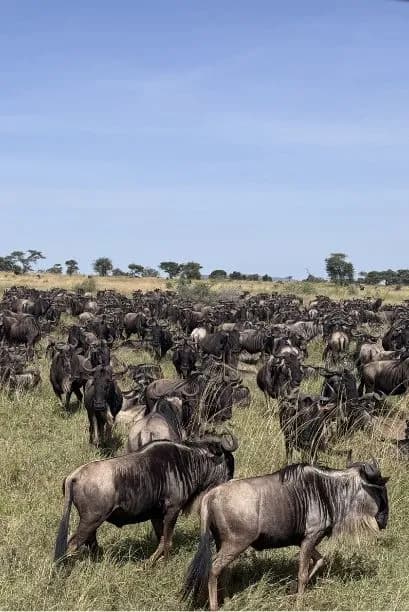
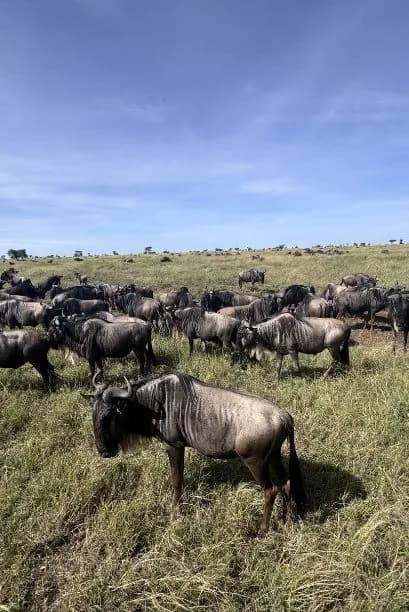
River crossings receive much of the attention, but they are only one part of the migration. There can be long hours of waiting.
The animals may gather near the river and then turn back. Nothing happens on command.
In the southern plains, wildebeest gather during the calving months. The grass is shorter here, and thousands of calves are born within a limited period.
Vehicles often stop beside the plains while herds spread far beyond the road.
Later, the animals begin moving west and north.
A calendar never fixes their position. Rain changes the route. So does the availability of grass and water. Some days a drive begins before sunrise, and the expected herds are still many kilometers away.
A Famous Big Five Destination
Serengeti is also home to lions, elephants, buffaloes, leopards and many smaller animals. Black rhinos live in the wider area, though sightings are uncommon.
The park is connected to a much larger safari route. Ngorongoro is often included for its cratered landscape and concentrated wildlife. Tarangire may come before or after Serengeti, especially during a Northern Circuit Safari. Across the border, the same ecosystem continues into the Masai Mara.
The roads between these places are part of the experience too. There is dust inside the vehicle by the afternoon. Camera bags need to stay closed. At picnic sites, birds wait near the tables for dropped food.
Why German Travelers Are Connected to Serengeti
For many German families, the first view of the Serengeti did not come from a safari vehicle. It came through Bernhard Grzimek’s television programs, books or films. His voice became familiar. So did the striped aircraft.
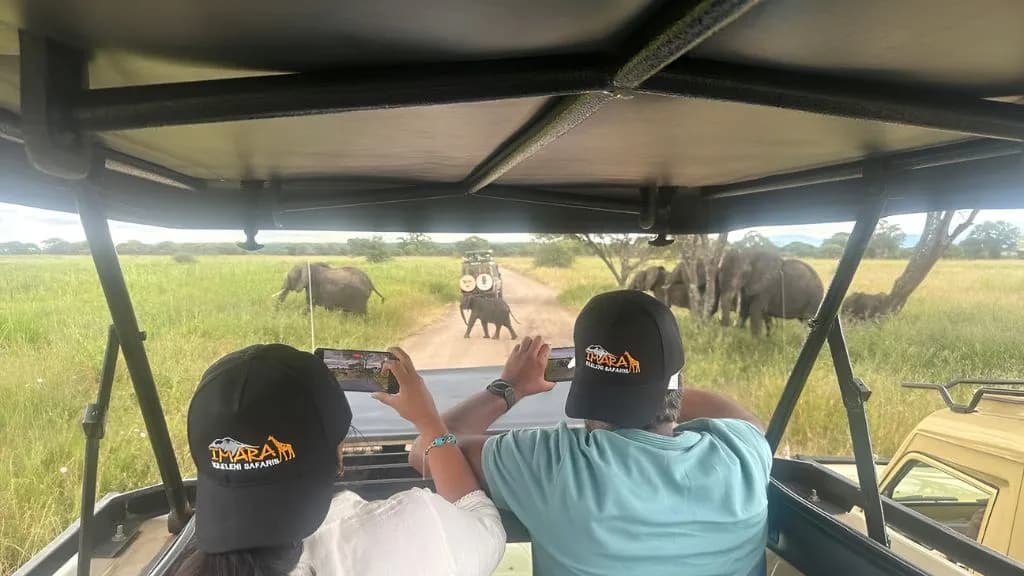
That created a connection between German wildlife education and Tanzania. Even people who never visited Africa knew the name Serengeti.
The Frankfurt Zoological Society’s continued work has kept this connection visible. It has also made the story more than an old film from the 1950s.
Germany remained among Tanzania’s top 15 visitor source markets in the country’s 2024 tourism survey. German visitors also accounted for a significant share of long-distance travelers entering the country.
Many arrive with an interest in wildlife research, photography and responsible travel.
Some have read Grzimek’s books. Others remember parents or grandparents speaking about his television programs.
A Safari in Tanzania for Germans can therefore carry some personal history.
There is the excitement of seeing lions beside the road or wildebeest crossing the plains. But there is also the chance to understand how conservation thinking has changed since the early surveys.
Tanzanian park authorities, local guides, researchers, and communities now bear most of the day-to-day responsibility. Rangers work across large areas. Guides explain animal behavior. Camps employ people from nearby towns and villages.
The old German connection remains, but the current story belongs strongly to Tanzania.
Practical Travel Notes
Migration viewing: July to October may bring northern river crossings. January to March is better for the southern calving areas.
Choosing an operator: Check licences, guide experience, vehicle condition and responsible travel practices.
Wildlife viewing: Keep distance and do not pressure a guide to chase animals or block their path.
Planning the route: Serengeti and Ngorongoro work well together. Tarangire can be added when there are enough days.
Useful equipment: Carry binoculars, spare batteries, memory cards and a cloth or cover to protect cameras from dust.
People Also Ask
Serengeti Shall Not Die follows Bernhard and Michael Grzimek as they count animals and study migration routes in Tanzania. Their aerial surveys showed the scale of wildlife movement across the plains. The film presented the need for Serengeti conservation to an international audience.
A Legacy Still Visible on Safari
Bernhard and Michael Grzimek helped the world think about the Serengeti as a connected wildlife system. Serengeti Shall Not Die gave that idea a public voice and a lasting place in German conservation history.
Tanzanian authorities, researchers, guides and communities now carry the work forward. German travelers can watch the migration, study how wildlife protection has changed and support responsible tourism through careful choices. Planning a Serengeti Safari is about seeing animals, but it is also a chance to understand why this landscape still survives.
Related Blog
Everything you need to know before planning your safari

Serengeti Calving Season 2027: A New Year Tanzania Safari to Witness New Life
Witness the Great Migration’s calving season in the Serengeti during a New Year 2027 Tanzania safari, with newborn wildebeest and incredible wildlife encounters.

Should You Book a Tanzania Safari at Christmas 2026 or choose a January 2027 Safari?
Compare Christmas 2026 and January 2027 safaris in Tanzania to choose the best time for wildlife viewing, weather, and holiday experiences.

Questions to Ask a Tanzania Safari Tour Operator Before Booking Your Christmas Holiday
Ask the right questions about safari costs, wildlife experiences, accommodation, and travel arrangements to plan a memorable Tanzania Christmas holiday.

Your Tailor-Made Serengeti Luxury Safari - What to Expect & How to Plan It
A practical guide to planning a personalized Serengeti safari with luxury stays, wildlife experiences and expert travel tips.

Tanzania Safari Recommendations - Our Team’s Personal Favorite Places
Our team’s favorite safari destinations, chosen for wildlife, scenery, and unforgettable experiences.

When Should You Book a Tanzania Safari? A Practical Booking Guide for 2027
Find out when to book your Tanzania safari for 2027, from peak-season planning to last-minute trips, with practical tips for choosing the right time.

Tanzania Safari for Wildlife Enthusiasts - How to Plan a Trip Around Specific Animals
Plan a Tanzania safari around the animals you most want to see, from the Big Five to cheetahs, elephants, wildebeest, and rare predators.

Return Safari Tanzania - Why Repeat Travellers Fall in Love All Over Again
Discover why returning to Tanzania brings new wildlife encounters, hidden gems, changing landscapes, and unforgettable safari experiences.

Game Drives in Tanzania - What to Expect from Serengeti to Beyond
Experience Tanzania’s wildlife up close with guided game drives, from the Serengeti’s big cats to the diverse landscapes beyond.

What to Know Before a Tanzania Safari - Essential Things Every Traveler Should Know
Essential Tanzania safari tips covering the best time to visit, what to pack, park rules, costs, health, and what to expect on your trip.

Tanzania Safari National Parks: The Best Places to See Wildlife in 2026
Explore Tanzania’s top national parks, from the Serengeti to Tarangire, and discover where to see Africa’s most iconic wildlife in 2026.

Tanzania Safari for Solo Travelers - What You Need to Know
Plan a safe, flexible, and unforgettable Tanzania safari with practical tips for solo travelers.

Tanzania Safari Tipping Guide - How Much Should You Tip Your Safari Guide and Camp Staffs?
A practical guide to tipping safari guides, drivers, camp staff, and other service teams in Tanzania.

Tanzania Safaris - When and Where to See the Great Migration
The Great Migration is mainly seen in the Serengeti, where millions of wildebeest, zebras, and gazelles move across the plains in search of fresh grazing and water.

What Animals Can You See on a Tanzania Safari - Complete Wildlife Guide
Explore Tanzania’s incredible wildlife, from the Big Five and iconic predators to elephants, giraffes, zebras, wildebeest, and diverse birdlife.

How to Choose the Right Tanzania Safari Itinerary for Your Trip
Plan the Perfect Tanzania Safari Around Your Time, Interests and Travel Style

Private vs Group Tanzania Safari: What Is the Difference?
Compare the flexibility, cost, privacy, and experience of private and group Tanzania safaris.

Serengeti vs Ngorongoro vs Tarangire: Which Tanzania Safari Parks Should You Visit?
Compare Tanzania’s Top Safari Parks for Wildlife, Scenery, and Safari Experiences.

How Many Days Do You Need for a Tanzania Safaris?
Explore the ideal safari duration, from short wildlife escapes to immersive Tanzania safari adventures.

Arusha Walking Safari Experience - Swati and Arpit's Journey into Tanzania's Wild
A Step-by-Step Adventure Through Arusha’s Untamed Wilderness, Wildlife, and Natural Beauty.

The German Guide to Tanzania Visas - Everything You Need Before You Book Your Safari
A Complete Guide for German Travelers on Visa Requirements, Applications, and Entry Rules for a Hassle-Free Tanzanian Safari.

From France to the Serengeti: A Couple's First Encounter with the Great Migration
A Romantic African Escape Filled with Wildlife, Wonder, and Discovery

Why French Travellers Choose Tanzania for Their Dream Safari Experience
Explore the breathtaking wildlife, luxury lodges, and unforgettable adventures that make Tanzania a favorite safari destination for French visitors.

A Great Tanzania Safari Starts with a Great Safari Guide - Here's Why
Discover How an Expert Safari Guide Can Turn Your Tanzania Adventure into an Unforgettable Wildlife Experience

What is the best time to visit Tanzania for a safari?
The best time for a Tanzania safari is generally from June to October for dry-season wildlife viewing, while January to March is ideal for the Serengeti calving season.

From Frankfurt to Kilimanjaro Airport - The Best Routes for Your Tanzania Safari
Discover the fastest flight routes, airline options, and travel tips for a smooth journey from Frankfurt to Kilimanjaro Airport and your unforgettable Tanzania safari.

The Silence of a Tanzania Safari at Sunrise
Experience the peaceful moments of dawn as Tanzania's wilderness awakens with the first light of day.

How Predators and Prey Interact in Tanzania National Parks
Explore the fascinating balance of survival in Tanzania’s national parks, where predators hunt, prey adapt, and every encounter shapes the rhythm of the wild ecosystem.

How Wildlife Reacts to Safari Vehicles?
Discover how safari vehicles influence animal behavior and learn why most wildlife views them as a harmless part of their natural environment.

The Difference Between Seeing Wildlife and Experiencing Wildlife
Go beyond simple sightings and connect with nature through immersive safari moments, where every animal encounter, landscape, and sound creates unforgettable memories in the wild.

How Different Weather Conditions Change Safari Experiences
Weather conditions shape every safari experience, from lush green landscapes and newborn wildlife during rainy seasons to dramatic wildlife sightings, migrations, and clear game-viewing opportunities in dry seasons.

Why Two Travelers Experience the Same Safari Differently
No two travelers experience the same safari in the same way because changing wildlife behavior, weather, timing, guide perspective, and personal interests create completely unique and unrepeatable moments for each journey.

Why Some Safari Moments Cannot Be Captured on Camera
Some safari experiences go beyond what a camera can capture—from the distant roar of a lion and the scent of the wild to the emotions of witnessing nature unfold in real time, creating memories that stay with you long after the journey ends.

Why Every Game Drive in Tanzania Feels Completely Different
Every game drive in Tanzania offers a unique experience, with changing landscapes, wildlife encounters, animal behaviors, and natural conditions ensuring that no two safaris are ever the same.

How Tanzania Safari Ecosystems Support Wildlife Survival
Discover how Tanzania’s diverse ecosystems—from the Serengeti plains to the Ngorongoro highlands—provide food, water, shelter, and migration routes that are essential for wildlife survival.

How Professional Safari Guides Track Wildlife in Tanzania
Discover how expert safari guides in Tanzania use animal tracks, sounds, scents, and behavior patterns to locate wildlife in the wild. Their deep bush knowledge transforms every safari into an authentic and unforgettable adventure.

How Safari Vehicles Influence Wildlife Experiences in Tanzania
Safari vehicles in Tanzania play a crucial role in shaping wildlife experiences by influencing comfort, visibility, accessibility, safety, and the overall quality of game viewing during safari adventures.

The Difference Between Standard and Premium Tanzania Safari Experiences
Discover the key differences between standard and premium Tanzania safari experiences, from accommodation and wildlife viewing to personalized services, comfort, flexibility, and exclusive safari adventures.

What Safari Guides See That Travelers Usually Miss
Discover the hidden wildlife behaviors, subtle animal movements, and untold bush details that experienced safari guides notice long before most travelers do.

What Luxury Really Means on a Tanzania Safari
Luxury on a Tanzania safari is not just about five-star lodges, but about personalized experiences, private game drives, expert guides, seamless service, and unforgettable moments in the wild.

From Sunrise to Starlight: A Full Day on the Best Safari in Tanzania
Experience the magic of Tanzania from sunrise game drives to starlit evenings, where every moment on safari brings unforgettable wildlife encounters, breathtaking landscapes, and authentic African adventure.

Why Travelers Say the Serengeti Feels More “Alive” Than Other Safari Parks
The Serengeti feels more “alive” because wildlife moves freely across endless plains, creating nonstop natural drama and unforgettable safari moments.

Serengeti Safari Trends: When Most Travelers Visit and Why
Discover the best time for a Serengeti safari by understanding when most travelers visit, what attracts them each season, and how timing shapes the overall wildlife experience.

Tanzania Safari in Serengeti National Park: The Good, The Bad, and The Dust
A Serengeti safari delivers unforgettable wildlife encounters, breathtaking landscapes, and raw adventure — but travelers should also prepare for long drives, dusty roads, and unpredictable wilderness conditions.

Safari to Tanzania: Complete Guide, Costs, and Travel Tips (2026)
Plan your perfect Tanzania safari in 2026 with expert tips on costs, best parks, travel seasons, wildlife experiences, and safari planning essentials.

Best Tanzania Safari Company: How to Choose the Right One in 2026
A complete guide to choosing the best Tanzania safari company in 2026 by comparing experience, safety, guides, reviews, customization, pricing transparency, and overall safari quality for an unforgettable African adventure.
Serengeti Calving Season 2027: A New Year Tanzania Safari to Witness New Life
Witness the Great Migration’s calving season in the Serengeti during a New Year 2027 Tanzania safari, with newborn wildebeest and incredible wildlife encounters.
Should You Book a Tanzania Safari at Christmas 2026 or choose a January 2027 Safari?
Compare Christmas 2026 and January 2027 safaris in Tanzania to choose the best time for wildlife viewing, weather, and holiday experiences.
Questions to Ask a Tanzania Safari Tour Operator Before Booking Your Christmas Holiday
Ask the right questions about safari costs, wildlife experiences, accommodation, and travel arrangements to plan a memorable Tanzania Christmas holiday.