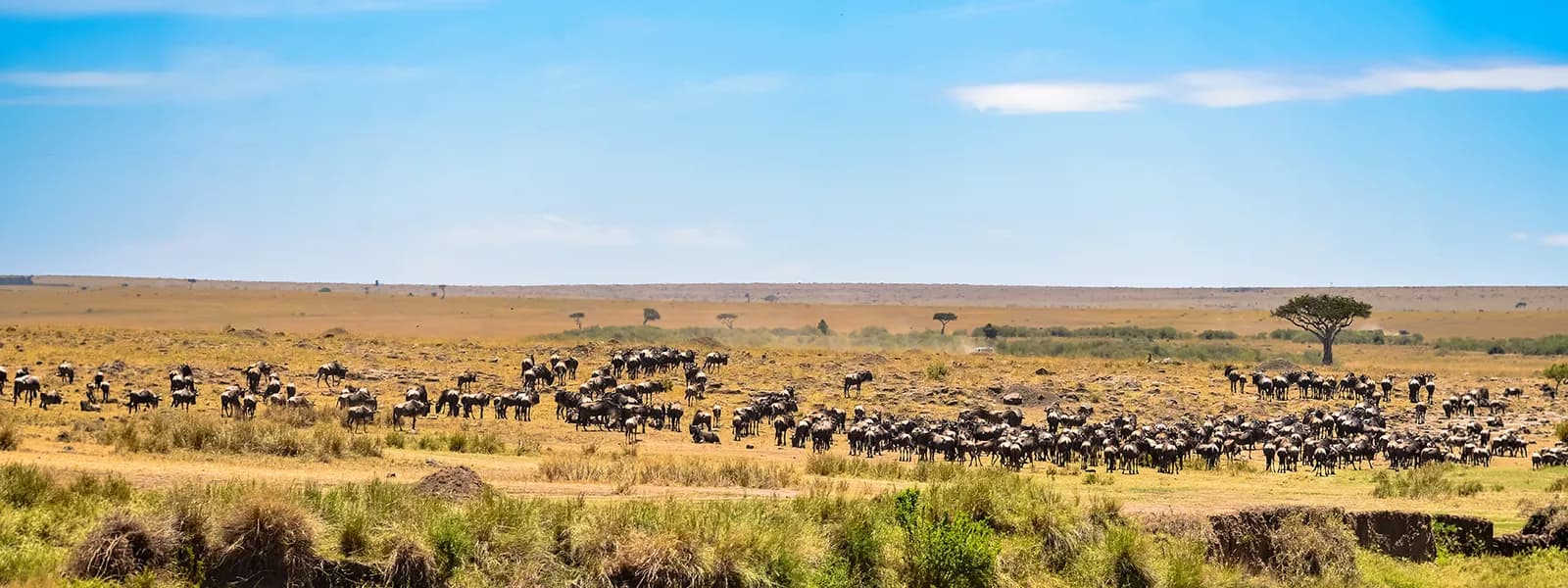
How Predators and Prey Interact in Tanzania National Parks
Explore the fascinating balance of survival in Tanzania’s national parks, where predators hunt, prey adapt, and every encounter shapes the rhythm of the wild ecosystem.

by Gervas Ngikari
Tue Jun 23 2026
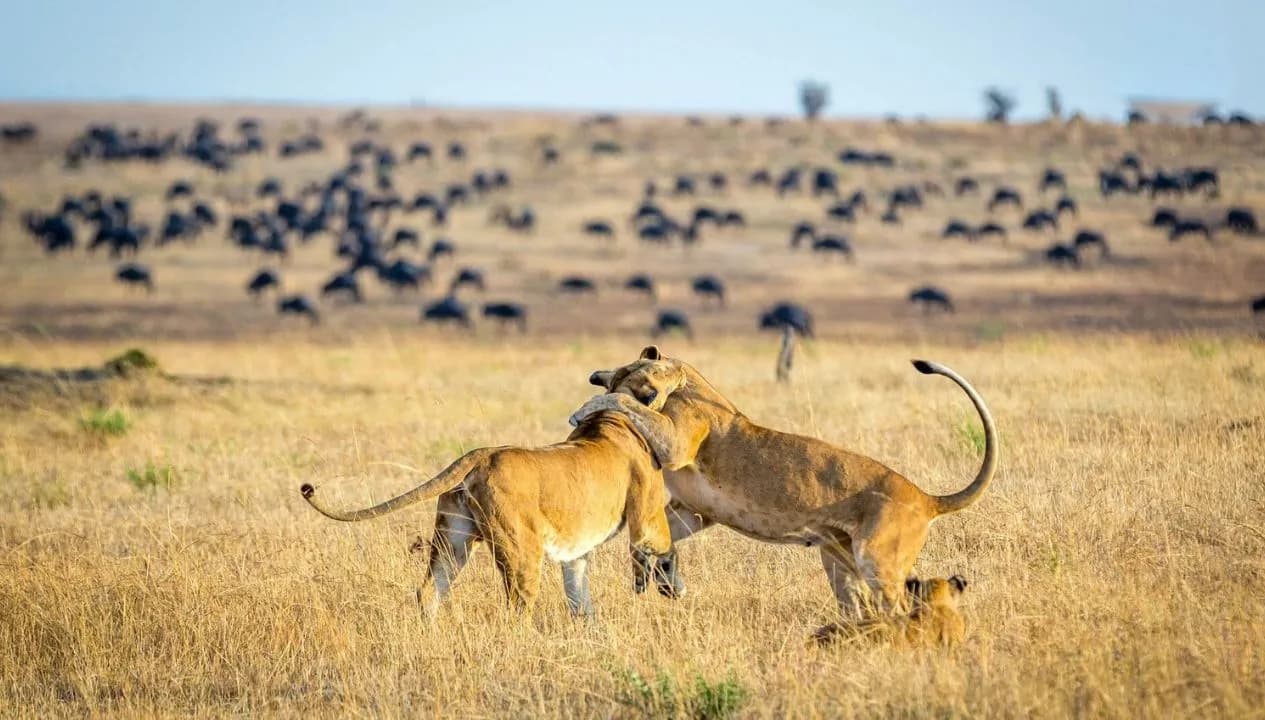
Predator-prey relationships across Tanzania National Parks continue to shape the ecosystem’s balance. Each dawn reveals a fight for survival, where big cats and crocodiles depend on successful hunts for food. On the other hand, herbivorous animals adapt to elusive behaviors that protect them from being killed.
Based on safari expert guide insights, travelers need to understand how predators and prey interact in Tanzania National Parks. At Imara Kileleni Safaris, our professional guides offer educational insights about wildlife behavior and how it affects the ecosystem. This helps travelers appreciate the “Circle of Life” and align their travel dates with wildlife sightings like the Great Migration.
This blog discusses the predator and prey ecosystem in Tanzania, showing the different wildlife survival strategies.
Predators and Prey Maintain the Balance of the Ecosystem
The predator-prey relationship in Tanzania is important for stabilizing the ecosystem. Successful kills by predators like lions and cheetahs help control the number of herbivorous animals. This species is known to reproduce quickly, so this helps maintain a manageable population that does not overgraze.
Another thing, these beasts of prey hunt down weak, sick, and old animals. It may look cruel but this helps maintain a healthy ecosystem with strong species. And as a result, affecting the stamina and genetic health of future prey.
Herbivores maintain ecological balance by grazing in different areas. For example, zebras feed on tall, tough grass, leaving the soft and nourishing ones for wildebeests. Plus, the Great Migration in Serengeti National Park prevents land degradation as herbivores move towards the Maasai Mara for greener pastures. This allows the Serengeti savannah to grow back, preventing soil erosion.
This is how predators and prey maintain the balance:
Predators help regulate herbivore populations.
Prey species influence predator distribution.
Natural selection strengthens survival traits.
Ecosystem balance depends on both groups.
Healthy predator populations indicate ecosystem health.
Wildlife behavior specialists note that predator-prey interactions are important for a stable ecosystem. As much as predators get rid of unfit plant-eating animals, prey species also provide the energy that supports their population. From what they consume, predators absorb this energy, influencing predator movement, breeding, and general survival.
How Predators Hunt in Tanzania National Parks
Across popular Tanzania national parks like Serengeti and Ngorongoro, predator species display different hunting methods. These methods change, depending on prey availability, local terrain, and physical traits.
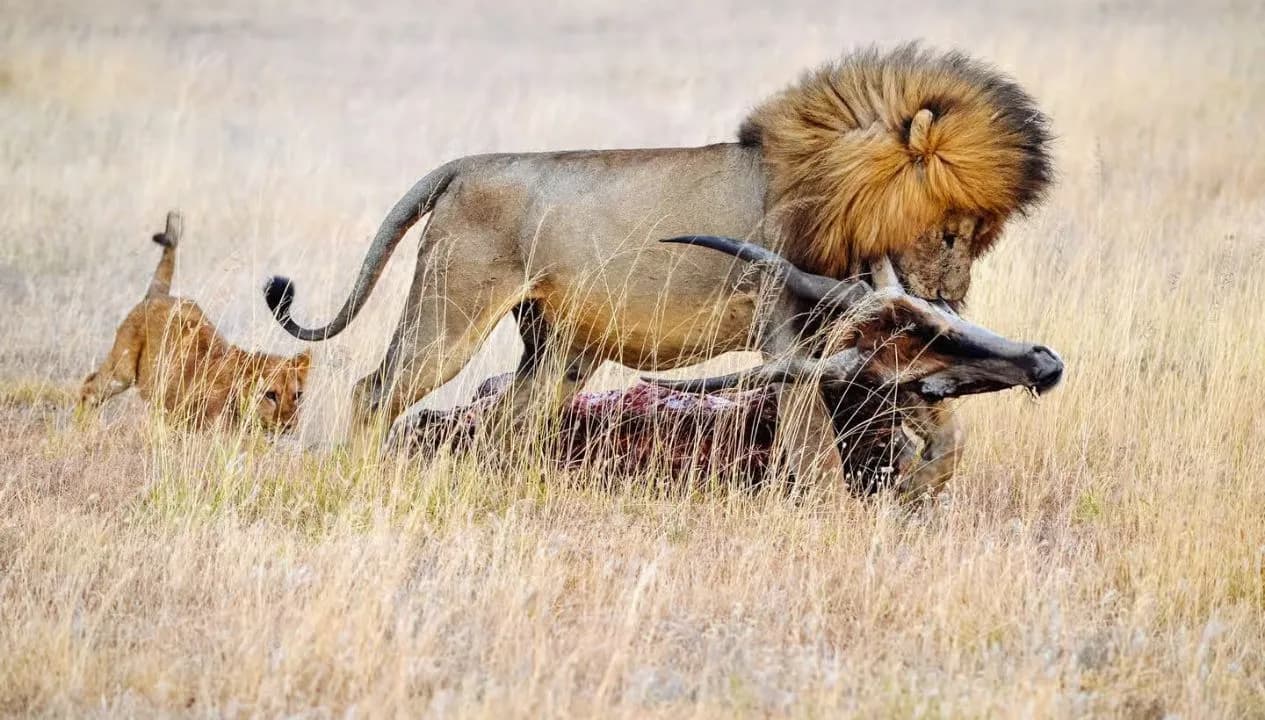
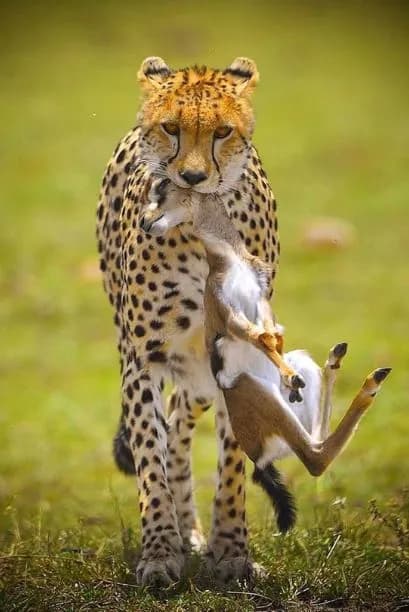
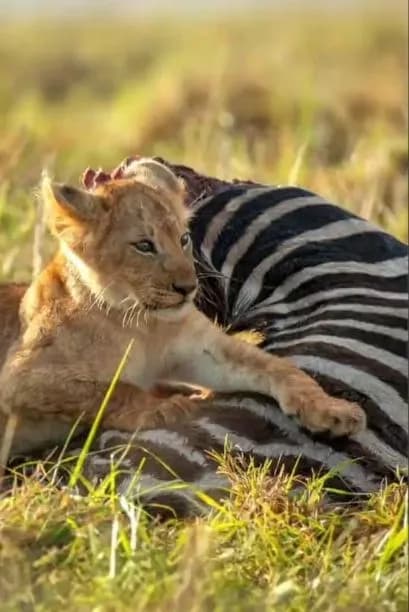
For example, lion hunting behavior is more of teamwork as they operate in prides. Lionesses silently crawl with their bellies through tall grass, then suddenly surround a herd of wildebeest or zebra. Once secured, they push the prey toward the rest of the pride, leaving them no room to escape. As a tourist, the best time to see this Tanzania Wildlife Safari animal behavior is at night, dawn, or during the wet season.
Different animal hunting tactics include:
Lions often hunt cooperatively in groups.
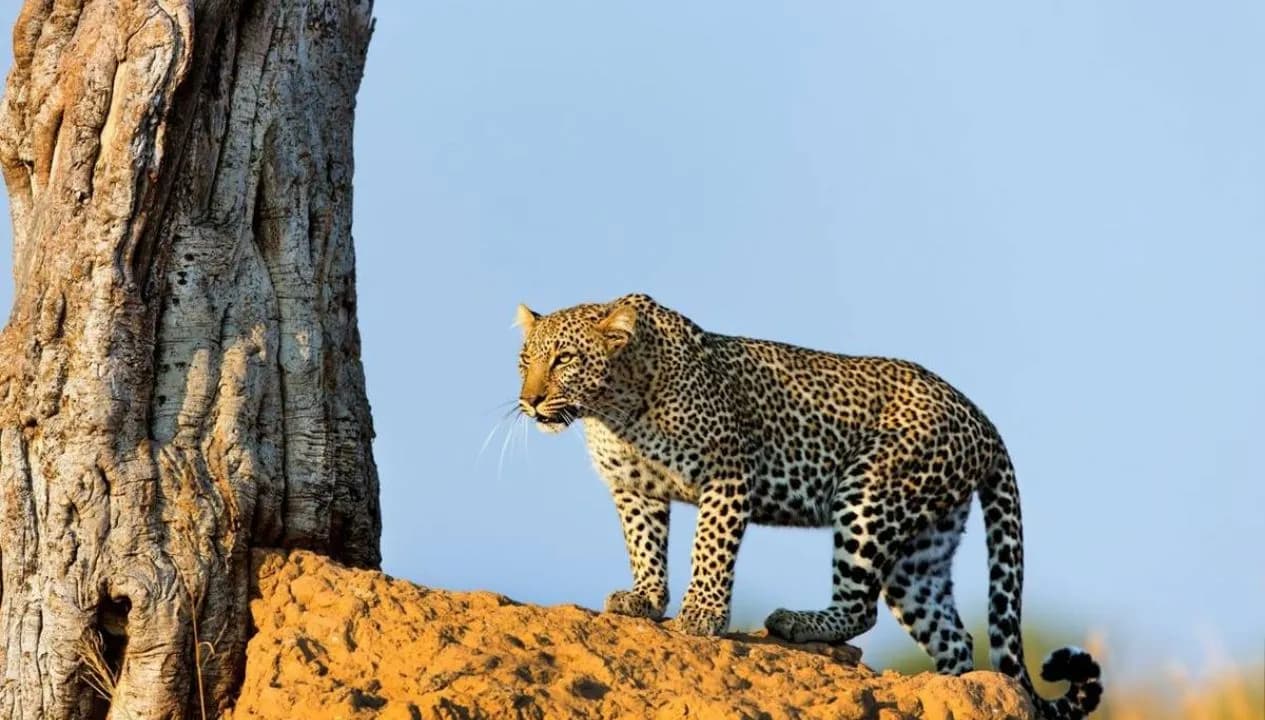
Leopards rely on stealth and ambush.
Cheetahs use speed to pursue prey.
Crocodiles depend on surprise attacks.
Safari guides emphasize that hunting attempts are far more common than successful kills. This is because of attentive prey, harsh environmental and physical conditions. For example, when lions don’t secure a target quickly, they stop hunting. Failure to do so increases their chances of overheating or running out of energy.
How Prey Animals Adapt to Survive
Prey animals survive through physical and behavioral adaptations. This reflects the real Tanzania national park wildlife behavior that involves camouflage, extreme speed, safety in numbers, and great senses.
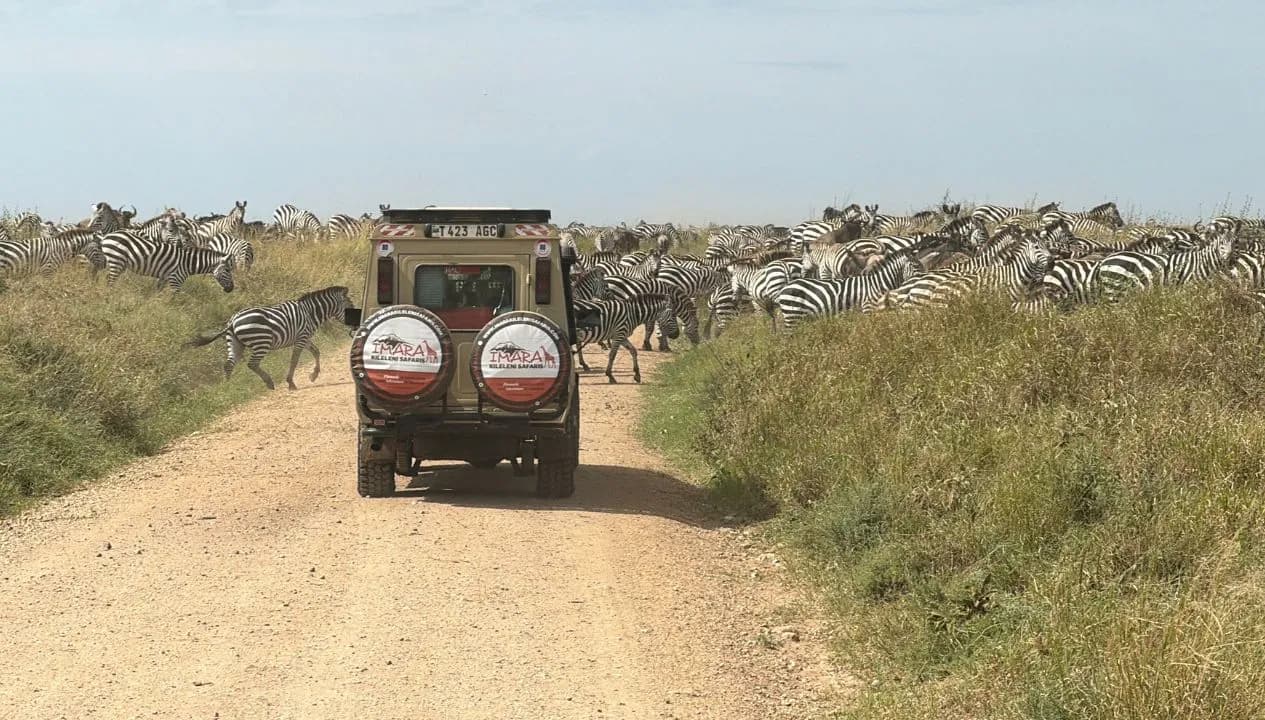
Mass migration and safety in herds make it difficult for predators to identify a single target. This often leads to them foregoing the hunt as too many numbers overwhelm their appetite. The black-and-white stripes on zebras confuse a beast’s vision since they create a dazzling effect. Also, their eyes give them a 360° view, allowing them to spot danger.
Gazelles are known to outrun predators through a fast, zig-zag motion, while wildebeests have strong legs to run for long distances. Each species emits its own adaptation, all with one goal: to survive.
This is how prey animals survive:
Constant vigilance helps detect danger.
Herd living provides collective protection.
Speed and endurance aid escape.
Communication signals warn others.
Migration reduces predator pressure in some regions.
Experienced travel experts suggest that observing prey behavior often reveals predator presence long before they are seen. This includes increased bird activity, impala “coughs”, zebra stiff-legged posture, and nervous jackals. These subtle cues are mainly noticeable to tour guides, securing authentic sightings for travelers. Generally, prey survival relies on awareness, teamwork, and quick decision-making.
Interested in how animals outsmart predators? Contact our safari experts for an insightful and enjoyable wildlife behavior experience.
What Safari Travelers Can Learn from Predator-Prey Interactions
As a traveler, watching African safari predator interactions improves your experience. It is such an eye-opener in handling life’s challenges with valuable lessons in patience, perseverance, flexibility, and balance.
You also get to learn more about Tanzania's wildlife behavior and how the ecosystem is interconnected. This experience turns a simple trip into a meaningful adventure of personal growth and conservation.
Key takeaways:
Reveals the complexity of ecosystems.
Demonstrates animal intelligence and adaptation.
Helps travelers understand natural behaviors.
Encourages appreciation for conservation efforts.
Creates meaningful wildlife observations.
Based on on-ground wildlife tracking experience, understanding animal behavior often makes safaris more rewarding than simply counting sightings. This is because you fully immerse yourself in the environment, looking forward to wildlife actions like hunts. With expert tour guides, this experience is even more interesting. They help explain things like bird mobbing and how this signals danger, engaging you in natural intelligence.
Nature’s Final Lesson: Balance and Survival
Predator-prey interactions are significant in shaping Tanzania's national parks. They depend on one another for great ecosystem balance and a healthy future. Their natural adaptations to surviving the wilderness display intelligence and resilience, creating unforgettable encounters for travelers. Especially for those who understand these interactions.
At Imara Kileleni Safaris, we help travelers experience Tanzania’s wildlife through expert-guided safari journeys that focus not only on sightings but also on understanding the fascinating behaviors and ecological relationships that define Africa’s wilderness.
Ready to witness the circle of life unfold in real time across Tanzania’s wild landscapes? Explore our Tanzania Safari Packages and contact us to plan a raw, balanced, and unforgettable wildlife safari adventure.
Related Blog
Everything you need to know before planning your safari

Serengeti Calving Season 2027: A New Year Tanzania Safari to Witness New Life
Witness the Great Migration’s calving season in the Serengeti during a New Year 2027 Tanzania safari, with newborn wildebeest and incredible wildlife encounters.

Should You Book a Tanzania Safari at Christmas 2026 or choose a January 2027 Safari?
Compare Christmas 2026 and January 2027 safaris in Tanzania to choose the best time for wildlife viewing, weather, and holiday experiences.

Questions to Ask a Tanzania Safari Tour Operator Before Booking Your Christmas Holiday
Ask the right questions about safari costs, wildlife experiences, accommodation, and travel arrangements to plan a memorable Tanzania Christmas holiday.

Your Tailor-Made Serengeti Luxury Safari - What to Expect & How to Plan It
A practical guide to planning a personalized Serengeti safari with luxury stays, wildlife experiences and expert travel tips.

Tanzania Safari Recommendations - Our Team’s Personal Favorite Places
Our team’s favorite safari destinations, chosen for wildlife, scenery, and unforgettable experiences.

When Should You Book a Tanzania Safari? A Practical Booking Guide for 2027
Find out when to book your Tanzania safari for 2027, from peak-season planning to last-minute trips, with practical tips for choosing the right time.

Tanzania Safari for Wildlife Enthusiasts - How to Plan a Trip Around Specific Animals
Plan a Tanzania safari around the animals you most want to see, from the Big Five to cheetahs, elephants, wildebeest, and rare predators.

Return Safari Tanzania - Why Repeat Travellers Fall in Love All Over Again
Discover why returning to Tanzania brings new wildlife encounters, hidden gems, changing landscapes, and unforgettable safari experiences.

Game Drives in Tanzania - What to Expect from Serengeti to Beyond
Experience Tanzania’s wildlife up close with guided game drives, from the Serengeti’s big cats to the diverse landscapes beyond.

What to Know Before a Tanzania Safari - Essential Things Every Traveler Should Know
Essential Tanzania safari tips covering the best time to visit, what to pack, park rules, costs, health, and what to expect on your trip.

Tanzania Safari National Parks: The Best Places to See Wildlife in 2026
Explore Tanzania’s top national parks, from the Serengeti to Tarangire, and discover where to see Africa’s most iconic wildlife in 2026.

Tanzania Safari for Solo Travelers - What You Need to Know
Plan a safe, flexible, and unforgettable Tanzania safari with practical tips for solo travelers.

Tanzania Safari Tipping Guide - How Much Should You Tip Your Safari Guide and Camp Staffs?
A practical guide to tipping safari guides, drivers, camp staff, and other service teams in Tanzania.

Tanzania Safaris - When and Where to See the Great Migration
The Great Migration is mainly seen in the Serengeti, where millions of wildebeest, zebras, and gazelles move across the plains in search of fresh grazing and water.

What Animals Can You See on a Tanzania Safari - Complete Wildlife Guide
Explore Tanzania’s incredible wildlife, from the Big Five and iconic predators to elephants, giraffes, zebras, wildebeest, and diverse birdlife.

How to Choose the Right Tanzania Safari Itinerary for Your Trip
Plan the Perfect Tanzania Safari Around Your Time, Interests and Travel Style

Private vs Group Tanzania Safari: What Is the Difference?
Compare the flexibility, cost, privacy, and experience of private and group Tanzania safaris.

Serengeti vs Ngorongoro vs Tarangire: Which Tanzania Safari Parks Should You Visit?
Compare Tanzania’s Top Safari Parks for Wildlife, Scenery, and Safari Experiences.

How Many Days Do You Need for a Tanzania Safaris?
Explore the ideal safari duration, from short wildlife escapes to immersive Tanzania safari adventures.

Arusha Walking Safari Experience - Swati and Arpit's Journey into Tanzania's Wild
A Step-by-Step Adventure Through Arusha’s Untamed Wilderness, Wildlife, and Natural Beauty.

The German Guide to Tanzania Visas - Everything You Need Before You Book Your Safari
A Complete Guide for German Travelers on Visa Requirements, Applications, and Entry Rules for a Hassle-Free Tanzanian Safari.

From France to the Serengeti: A Couple's First Encounter with the Great Migration
A Romantic African Escape Filled with Wildlife, Wonder, and Discovery

Why French Travellers Choose Tanzania for Their Dream Safari Experience
Explore the breathtaking wildlife, luxury lodges, and unforgettable adventures that make Tanzania a favorite safari destination for French visitors.

A Great Tanzania Safari Starts with a Great Safari Guide - Here's Why
Discover How an Expert Safari Guide Can Turn Your Tanzania Adventure into an Unforgettable Wildlife Experience

What is the best time to visit Tanzania for a safari?
The best time for a Tanzania safari is generally from June to October for dry-season wildlife viewing, while January to March is ideal for the Serengeti calving season.

From Frankfurt to Kilimanjaro Airport - The Best Routes for Your Tanzania Safari
Discover the fastest flight routes, airline options, and travel tips for a smooth journey from Frankfurt to Kilimanjaro Airport and your unforgettable Tanzania safari.

Serengeti Shall Not Die - The Legacy of Bernhard Grzimek for German Travelers
Discover how Bernhard Grzimek's conservation vision continues to inspire German travelers exploring Tanzania's iconic Serengeti National Park.

The Silence of a Tanzania Safari at Sunrise
Experience the peaceful moments of dawn as Tanzania's wilderness awakens with the first light of day.

How Wildlife Reacts to Safari Vehicles?
Discover how safari vehicles influence animal behavior and learn why most wildlife views them as a harmless part of their natural environment.

The Difference Between Seeing Wildlife and Experiencing Wildlife
Go beyond simple sightings and connect with nature through immersive safari moments, where every animal encounter, landscape, and sound creates unforgettable memories in the wild.

How Different Weather Conditions Change Safari Experiences
Weather conditions shape every safari experience, from lush green landscapes and newborn wildlife during rainy seasons to dramatic wildlife sightings, migrations, and clear game-viewing opportunities in dry seasons.

Why Two Travelers Experience the Same Safari Differently
No two travelers experience the same safari in the same way because changing wildlife behavior, weather, timing, guide perspective, and personal interests create completely unique and unrepeatable moments for each journey.

Why Some Safari Moments Cannot Be Captured on Camera
Some safari experiences go beyond what a camera can capture—from the distant roar of a lion and the scent of the wild to the emotions of witnessing nature unfold in real time, creating memories that stay with you long after the journey ends.

Why Every Game Drive in Tanzania Feels Completely Different
Every game drive in Tanzania offers a unique experience, with changing landscapes, wildlife encounters, animal behaviors, and natural conditions ensuring that no two safaris are ever the same.

How Tanzania Safari Ecosystems Support Wildlife Survival
Discover how Tanzania’s diverse ecosystems—from the Serengeti plains to the Ngorongoro highlands—provide food, water, shelter, and migration routes that are essential for wildlife survival.

How Professional Safari Guides Track Wildlife in Tanzania
Discover how expert safari guides in Tanzania use animal tracks, sounds, scents, and behavior patterns to locate wildlife in the wild. Their deep bush knowledge transforms every safari into an authentic and unforgettable adventure.

How Safari Vehicles Influence Wildlife Experiences in Tanzania
Safari vehicles in Tanzania play a crucial role in shaping wildlife experiences by influencing comfort, visibility, accessibility, safety, and the overall quality of game viewing during safari adventures.

The Difference Between Standard and Premium Tanzania Safari Experiences
Discover the key differences between standard and premium Tanzania safari experiences, from accommodation and wildlife viewing to personalized services, comfort, flexibility, and exclusive safari adventures.

What Safari Guides See That Travelers Usually Miss
Discover the hidden wildlife behaviors, subtle animal movements, and untold bush details that experienced safari guides notice long before most travelers do.

What Luxury Really Means on a Tanzania Safari
Luxury on a Tanzania safari is not just about five-star lodges, but about personalized experiences, private game drives, expert guides, seamless service, and unforgettable moments in the wild.

From Sunrise to Starlight: A Full Day on the Best Safari in Tanzania
Experience the magic of Tanzania from sunrise game drives to starlit evenings, where every moment on safari brings unforgettable wildlife encounters, breathtaking landscapes, and authentic African adventure.

Why Travelers Say the Serengeti Feels More “Alive” Than Other Safari Parks
The Serengeti feels more “alive” because wildlife moves freely across endless plains, creating nonstop natural drama and unforgettable safari moments.

Serengeti Safari Trends: When Most Travelers Visit and Why
Discover the best time for a Serengeti safari by understanding when most travelers visit, what attracts them each season, and how timing shapes the overall wildlife experience.

Tanzania Safari in Serengeti National Park: The Good, The Bad, and The Dust
A Serengeti safari delivers unforgettable wildlife encounters, breathtaking landscapes, and raw adventure — but travelers should also prepare for long drives, dusty roads, and unpredictable wilderness conditions.

Safari to Tanzania: Complete Guide, Costs, and Travel Tips (2026)
Plan your perfect Tanzania safari in 2026 with expert tips on costs, best parks, travel seasons, wildlife experiences, and safari planning essentials.

Best Tanzania Safari Company: How to Choose the Right One in 2026
A complete guide to choosing the best Tanzania safari company in 2026 by comparing experience, safety, guides, reviews, customization, pricing transparency, and overall safari quality for an unforgettable African adventure.
Serengeti Calving Season 2027: A New Year Tanzania Safari to Witness New Life
Witness the Great Migration’s calving season in the Serengeti during a New Year 2027 Tanzania safari, with newborn wildebeest and incredible wildlife encounters.
Should You Book a Tanzania Safari at Christmas 2026 or choose a January 2027 Safari?
Compare Christmas 2026 and January 2027 safaris in Tanzania to choose the best time for wildlife viewing, weather, and holiday experiences.
Questions to Ask a Tanzania Safari Tour Operator Before Booking Your Christmas Holiday
Ask the right questions about safari costs, wildlife experiences, accommodation, and travel arrangements to plan a memorable Tanzania Christmas holiday.