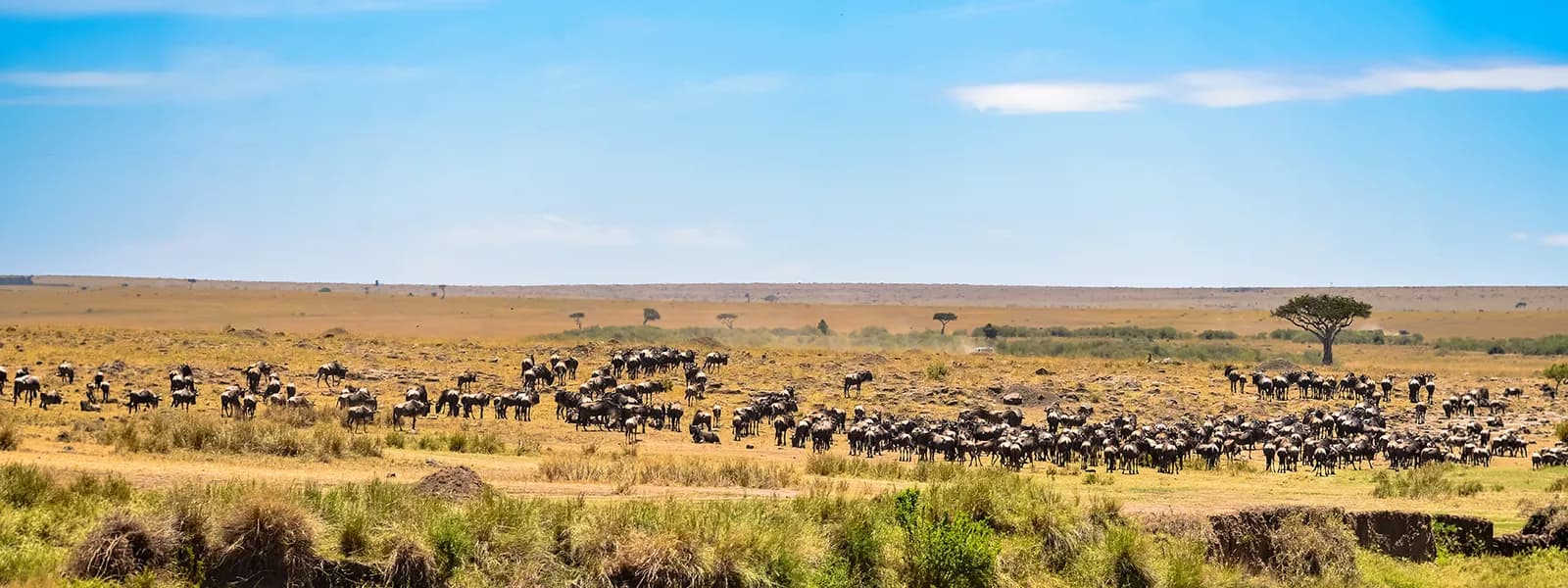
From Frankfurt to Kilimanjaro Airport - The Best Routes for Your Tanzania Safari
Discover the fastest flight routes, airline options, and travel tips for a smooth journey from Frankfurt to Kilimanjaro Airport and your unforgettable Tanzania safari.

by Gervas Ngikari
Tue Jul 28 2026
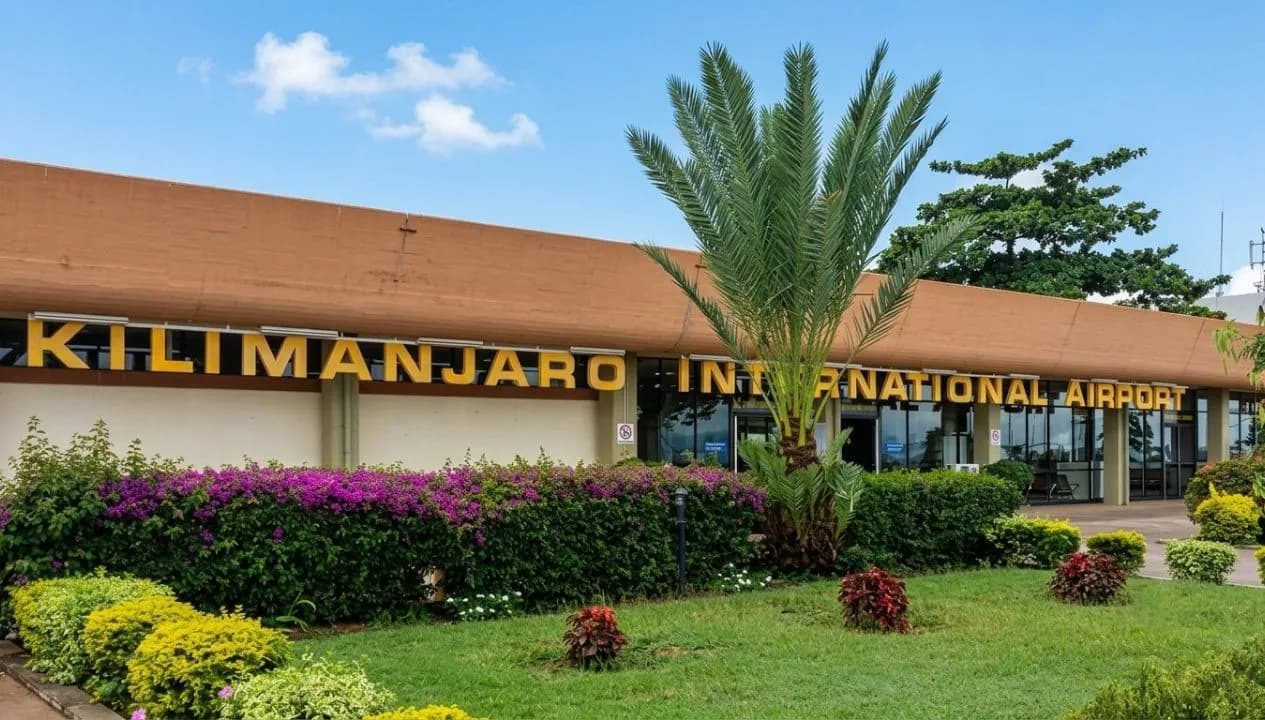
A Tanzania Safari from Frankfurt usually begins with a flight to Kilimanjaro
International Airport, followed by a road transfer to Arusha.
The bigger decision comes after Arusha. Some travellers try to include
every northern park in five days. It looks possible on a map, but the roads
take time. Bags are packed again each morning, lunch is eaten on the road, and
Serengeti may get only one rushed day.
Flying from Frankfurt
Direct flights between Frankfurt and Kilimanjaro International Airport operate on selected dates. The flying time is around 10 hours and 50 minutes.
The direct flight is easier when the dates work. There is no second
airport, no rushed connection and less chance of delayed baggage.
But it does not operate every day.
Travellers who want to Fly from Frankfurt to Tanzania can also
use these one-stop routes:
- Frankfurt → Amsterdam → Kilimanjaro
- Frankfurt → Doha → Kilimanjaro
- Frankfurt → Istanbul → Kilimanjaro
- Frankfurt → Addis Ababa → Kilimanjaro
Amsterdam is often a simple connection for German travellers. Doha and
Istanbul may involve a longer route, but departure dates can be easier to find.
Addis Ababa is another common gateway into East Africa.
Do not look only at the ticket price.
A low fare may include an eight or nine-hour airport wait. It may also
arrive at Kilimanjaro late at night. After a long flight, another hour on the
road to Arusha can feel longer than expected.
Check:
- Total travel time
- Length of the airport stop
- Baggage allowance
- Arrival time at Kilimanjaro
- Change rules
- Whether the Arusha transfer is included
Kilimanjaro Airport is small compared with Frankfurt. Bags come through,
drivers wait outside with name boards, and people slowly find their vehicles.
Arusha is around one hour away. Traffic becomes heavier near town.
Most travellers stay there for the first night. It is a useful pause.
There is time to shower, have dinner, charge the camera and sort out the safari
bag before leaving early the next morning.
The Main Northern Route
The usual Northern Circuit Safari Tanzania route follows this
direction:
Arusha → Tarangire → Lake Manyara → Ngorongoro → Serengeti → Arusha
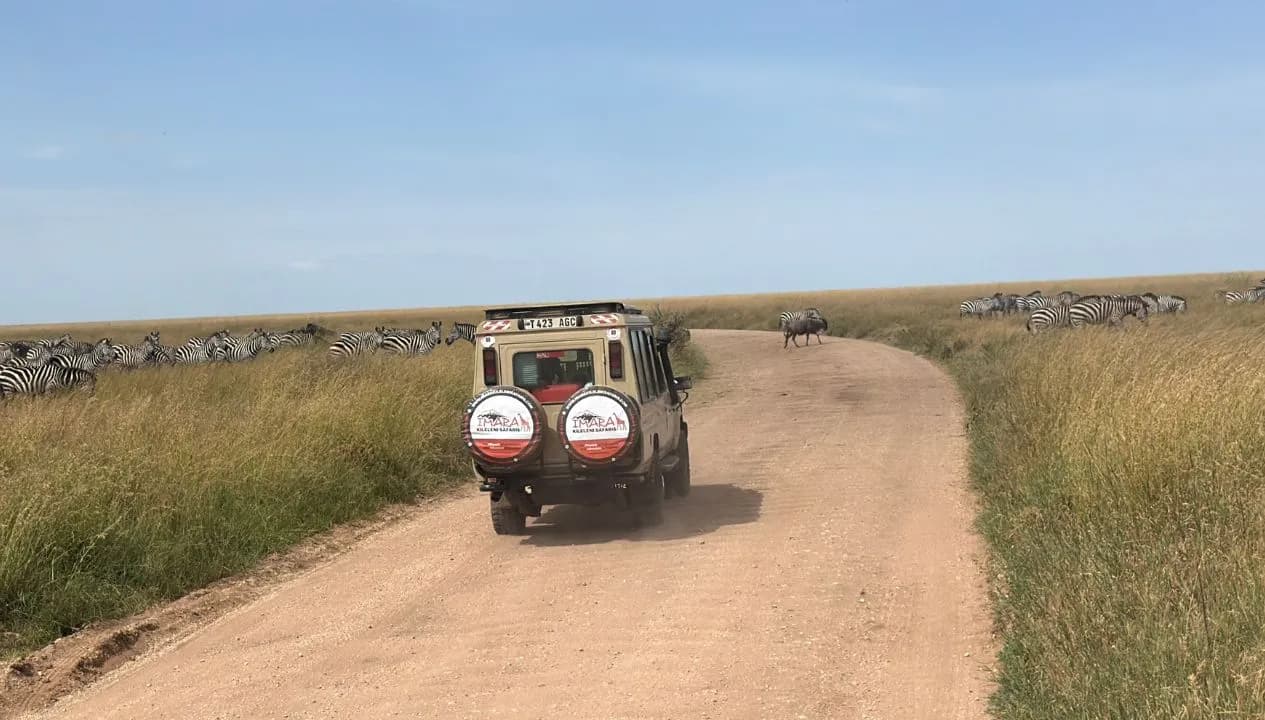
Lake Manyara is optional. Serengeti is not.
The route can also end with a flight from Serengeti to Zanzibar or
Arusha. This saves the long drive back.
Arusha to Tarangire
Tarangire is a good first stop because it is not too far from Arusha.
The road passes small farms, roadside fruit stalls, fuel stations and
villages. There are motorbikes, schoolchildren and local buses. The town
traffic slowly drops away.
Inside the park, the land feels dry for much of the year. Baobab trees
stand beside the tracks, and elephant herds are often seen near the river.
A first day here is usually easy to follow.
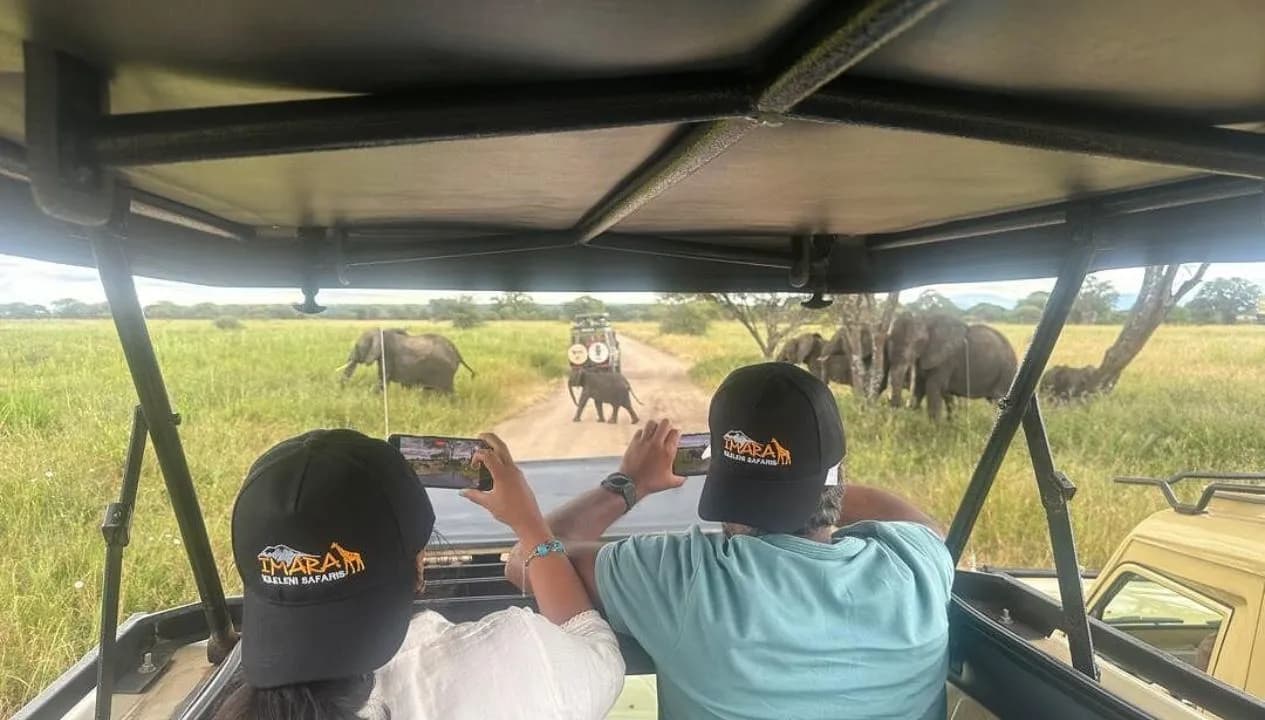
There are open areas, woodland and river sections. Giraffes move between
the trees. Elephants sometimes cross the road in front of the vehicle, and
everyone waits.
One night is enough for a short safari. Two nights are better during the
dry season, when more wildlife gathers near the Tarangire River.
Tarangire to Lake Manyara
Lake Manyara is often added because it lies on the way towards Ngorongoro.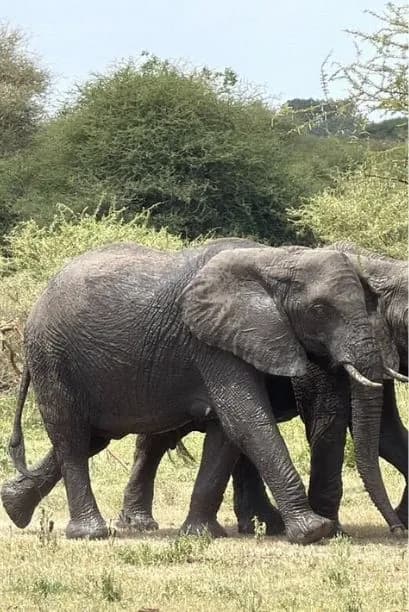
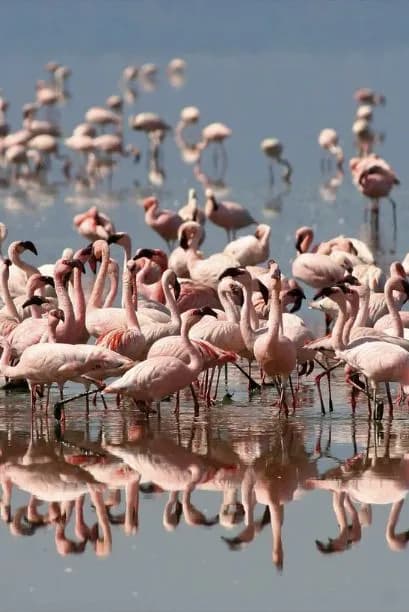
The park is smaller. Some sections pass through thick forest, with
baboons sitting near the road or moving through the trees.
Closer to the lake, the view opens.
There may be elephants, giraffes, hippos and many birds. Flamingo
numbers change with the water level and season, so they should not be expected
on every visit.
Lake Manyara works well on a seven-day route.
On a five-day safari, it can make the plan too busy. Removing it gives
more time in Serengeti, which is usually the better choice.
Lake Manyara to Ngorongoro
The road climbs into the Ngorongoro Highlands.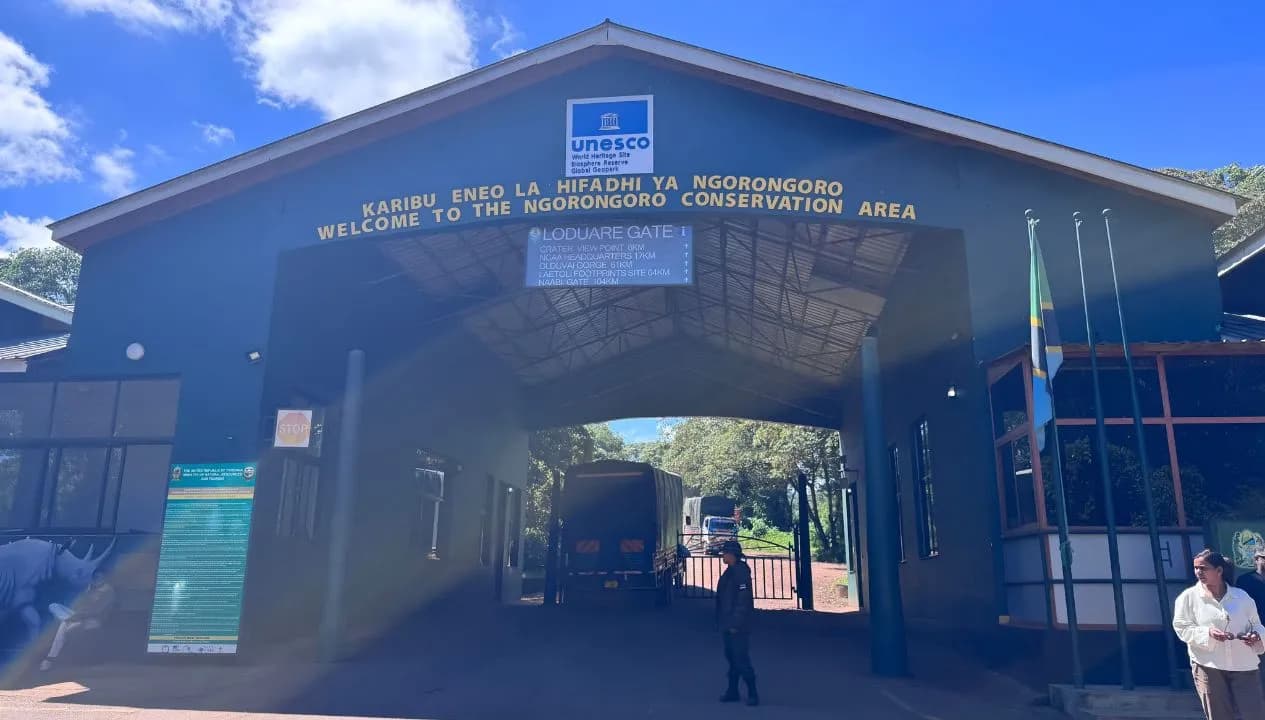
The air becomes cooler. Farms appear along the slopes, and mist
sometimes sits over the road in the morning.
Most crater days begin early.
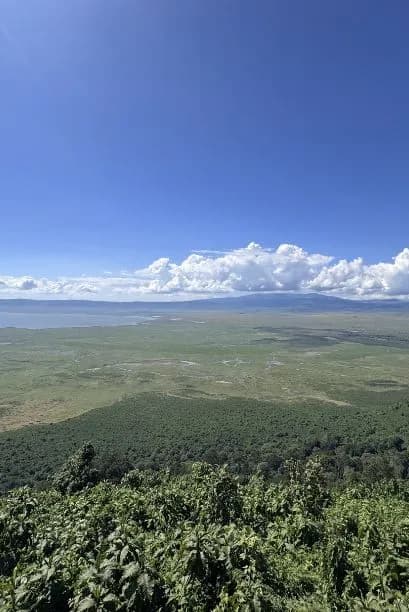
Vehicles stop at the viewpoint before descending. From the top, the
crater floor looks quiet and flat. Once the vehicle reaches the bottom, the
distances feel much larger.
A Ngorongoro
Crater Safari usually takes most of the day.
Possible sightings include:
- Lions
- Buffaloes
- Zebras
- Wildebeest
- Hippos
- Hyenas
- Black rhinos
Rhinos are often far away. Binoculars help.
Lunch is usually taken at a picnic area. Vehicles gather there around
midday, and monkeys sometimes come close when food boxes are opened.
One crater day is enough for most Tanzania Safari Routes. Staying
nearby the night before makes the early descent easier.
Ngorongoro to Serengeti
The drive to Serengeti is longer.
The road can be rough and dusty. Windows go up and down. Camera bags collect dust, and shoes usually need cleaning later. The scenery changes slowly. Then the plains become wider.
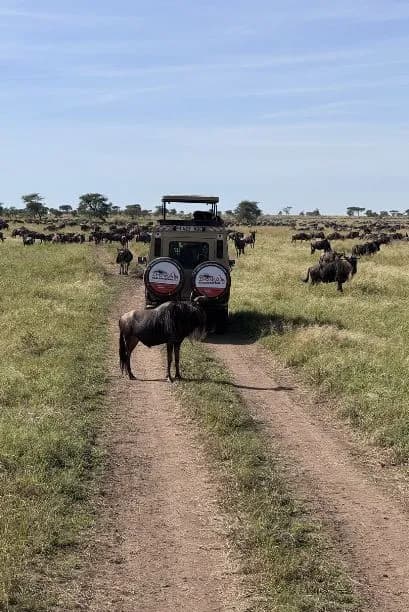
Serengeti needs time because wildlife is spread across a large area. One day may bring lions and elephants. Another may involve long stretches of driving before a good sighting appears.
A Serengeti Safari Itinerary should include at least two nights.
Three nights are better, especially when travelling to northern or southern
areas for the migration.
Adding one more Serengeti night is often more useful than adding another
park.
It means:
- Less packing
- More morning game drives
- More time near wildlife areas
- Less pressure to keep moving
- A better chance of following guide reports
Which Route Fits the Number of Days?
For a Tanzania Safari,
around 5-9 days are enough. If you want, you can add extra days for a trip to Zanzibar. The
fewer the days, the lower the cost. It increases significantly with a higher
number of days.
Five-Day Route
A short route may look like this:
Arusha → Tarangire → Ngorongoro → Serengeti → Arusha
This route works, but it moves quickly.
There will be early starts and long road days. Serengeti time will be
limited, especially if returning by road.
It suits travellers who have little annual leave and want the main
parks.
Seven-Day Route
Seven days is more comfortable.
A common route is:
Arusha → Tarangire → Lake Manyara → Ngorongoro → Serengeti → Arusha
Another option is to remove Lake Manyara and add one more Serengeti
night.
That version often feels less arranged.
There is time for:
- One or two nights in Tarangire
- One Ngorongoro crater day
- Three Serengeti nights
- A slower return to Arusha
For first-time travellers from Germany, this is usually the most
practical choice.
Ten to Twelve-Day Route
A longer trip can finish in Zanzibar.
The route may be:
Arusha → Tarangire → Ngorongoro → Serengeti → Zanzibar
Instead of driving back to Arusha, travellers can take a small flight
from Serengeti.
The planes are small, luggage limits are tighter, and bags may need to
be soft-sided. But the flight saves many hours on the road.
Three or four nights in Zanzibar are usually enough after the safari.
Routes Change with the Season
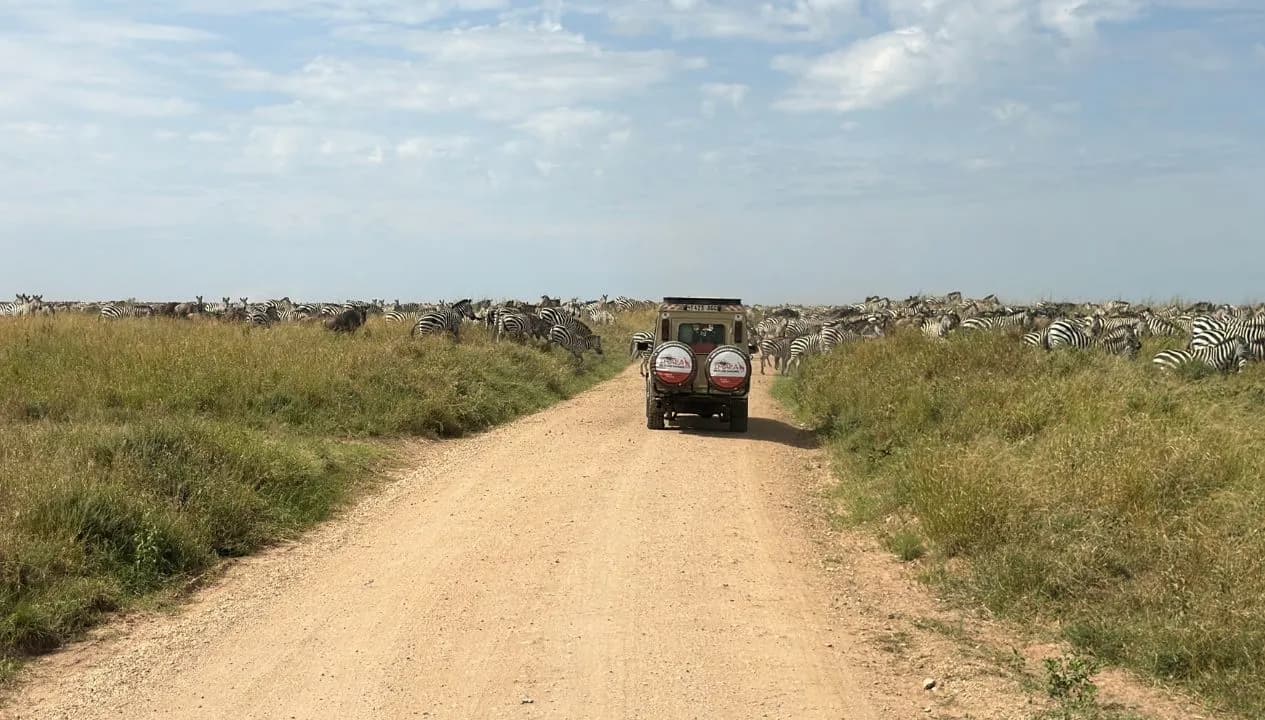
June to October is the dry season. Tarangire is useful during these months because elephants and other animals stay closer to the river. Roads are generally easier, though the parks are busier.
For northern Serengeti and possible river crossings, July to October is often chosen. Nothing is guaranteed.
The herds may stand near the river for hours and then move away. They
follow rain and fresh grass, not travel dates.
January to March suits the southern Serengeti and Ndutu areas. This is
the calving period, with many young wildebeest and predators nearby.
From November to May, the land is greener.
Some roads become muddy during heavier rain, especially from March into
May. There may also be fewer vehicles and softer light for photography.
Good Tanzania Safari Planning means following the season.
A northern Serengeti camp does not make much sense when the herds are in
the south.
A Brief Note on Costs
Return flights from Frankfurt may cost around €800 to €1,200 per
person.
Daily safari prices may begin around:
- Shared safari:
€220 to €310 per person
- Mid-range safari:
€310 to €440 per person
- Luxury safari:
€525 or more per person
The final price depends on the season, lodge, private vehicle and number
of Serengeti nights.
Visa, travel insurance, tips, drinks and Zanzibar stays may be separate.
Before Leaving Germany
German passport holders need a Tanzania Tourist Visa. The cost is around €44, depending on the exchange rate.

The passport should have at least six months of validity and one empty
page.
It is better to apply early.
Speak with a travel medicine doctor before departure. Malaria protection
and routine vaccinations should be discussed based on the route.
Pack light clothes, but carry a fleece for early drives.
Also bring:
- Insect repellent
- Binoculars
- Spare camera batteries
- Power bank
- Personal medicines
- Small bags to protect items from dust
Common Questions
A nonstop flight takes around 10 hours and 50 minutes. One-stop routes
often take 11 to 15 hours when the connection is short. Some low-cost tickets
include a long airport wait, so check the full travel time before booking.
A good first route is Arusha, Tarangire, Ngorongoro and Serengeti. It
includes elephants, crater wildlife, predators and open plains. Six or seven
days are more comfortable than trying to cover all the parks in three or four
days.
June to October works well for dry roads and wildlife near water.
January to March is useful for the southern Serengeti calving season. The rainy
months can bring greener land, fewer safari vehicles and lower lodge prices.
Shared trips may begin near USD 250 per person each day. Mid-range
safaris often cost USD 350 to USD 500. Luxury trips can reach USD 600 to USD
1,200 or more. Flights, visas, insurance, tips and Zanzibar stays are normally
added separately.
Choosing the Route That Fits
A route does not need every northern park. Tarangire, Ngorongoro and
Serengeti already give different landscapes and wildlife areas. Lake Manyara
can fill an extra day. Zanzibar can come later.
Imara Kileleni Safaris can plan private Tanzania Safari Packages
from Germany around the season, flight dates, and the number of available
days.
Explore Tanzania Safari Packages from Frankfurt.
Related Blog
Everything you need to know before planning your safari

Serengeti Calving Season 2027: A New Year Tanzania Safari to Witness New Life
Witness the Great Migration’s calving season in the Serengeti during a New Year 2027 Tanzania safari, with newborn wildebeest and incredible wildlife encounters.

Should You Book a Tanzania Safari at Christmas 2026 or choose a January 2027 Safari?
Compare Christmas 2026 and January 2027 safaris in Tanzania to choose the best time for wildlife viewing, weather, and holiday experiences.

Questions to Ask a Tanzania Safari Tour Operator Before Booking Your Christmas Holiday
Ask the right questions about safari costs, wildlife experiences, accommodation, and travel arrangements to plan a memorable Tanzania Christmas holiday.

Your Tailor-Made Serengeti Luxury Safari - What to Expect & How to Plan It
A practical guide to planning a personalized Serengeti safari with luxury stays, wildlife experiences and expert travel tips.

Tanzania Safari Recommendations - Our Team’s Personal Favorite Places
Our team’s favorite safari destinations, chosen for wildlife, scenery, and unforgettable experiences.

When Should You Book a Tanzania Safari? A Practical Booking Guide for 2027
Find out when to book your Tanzania safari for 2027, from peak-season planning to last-minute trips, with practical tips for choosing the right time.

Tanzania Safari for Wildlife Enthusiasts - How to Plan a Trip Around Specific Animals
Plan a Tanzania safari around the animals you most want to see, from the Big Five to cheetahs, elephants, wildebeest, and rare predators.

Return Safari Tanzania - Why Repeat Travellers Fall in Love All Over Again
Discover why returning to Tanzania brings new wildlife encounters, hidden gems, changing landscapes, and unforgettable safari experiences.

Game Drives in Tanzania - What to Expect from Serengeti to Beyond
Experience Tanzania’s wildlife up close with guided game drives, from the Serengeti’s big cats to the diverse landscapes beyond.

What to Know Before a Tanzania Safari - Essential Things Every Traveler Should Know
Essential Tanzania safari tips covering the best time to visit, what to pack, park rules, costs, health, and what to expect on your trip.

Tanzania Safari National Parks: The Best Places to See Wildlife in 2026
Explore Tanzania’s top national parks, from the Serengeti to Tarangire, and discover where to see Africa’s most iconic wildlife in 2026.

Tanzania Safari for Solo Travelers - What You Need to Know
Plan a safe, flexible, and unforgettable Tanzania safari with practical tips for solo travelers.

Tanzania Safari Tipping Guide - How Much Should You Tip Your Safari Guide and Camp Staffs?
A practical guide to tipping safari guides, drivers, camp staff, and other service teams in Tanzania.

Tanzania Safaris - When and Where to See the Great Migration
The Great Migration is mainly seen in the Serengeti, where millions of wildebeest, zebras, and gazelles move across the plains in search of fresh grazing and water.

What Animals Can You See on a Tanzania Safari - Complete Wildlife Guide
Explore Tanzania’s incredible wildlife, from the Big Five and iconic predators to elephants, giraffes, zebras, wildebeest, and diverse birdlife.

How to Choose the Right Tanzania Safari Itinerary for Your Trip
Plan the Perfect Tanzania Safari Around Your Time, Interests and Travel Style

Private vs Group Tanzania Safari: What Is the Difference?
Compare the flexibility, cost, privacy, and experience of private and group Tanzania safaris.

Serengeti vs Ngorongoro vs Tarangire: Which Tanzania Safari Parks Should You Visit?
Compare Tanzania’s Top Safari Parks for Wildlife, Scenery, and Safari Experiences.

How Many Days Do You Need for a Tanzania Safaris?
Explore the ideal safari duration, from short wildlife escapes to immersive Tanzania safari adventures.

Arusha Walking Safari Experience - Swati and Arpit's Journey into Tanzania's Wild
A Step-by-Step Adventure Through Arusha’s Untamed Wilderness, Wildlife, and Natural Beauty.

The German Guide to Tanzania Visas - Everything You Need Before You Book Your Safari
A Complete Guide for German Travelers on Visa Requirements, Applications, and Entry Rules for a Hassle-Free Tanzanian Safari.

From France to the Serengeti: A Couple's First Encounter with the Great Migration
A Romantic African Escape Filled with Wildlife, Wonder, and Discovery

Why French Travellers Choose Tanzania for Their Dream Safari Experience
Explore the breathtaking wildlife, luxury lodges, and unforgettable adventures that make Tanzania a favorite safari destination for French visitors.

A Great Tanzania Safari Starts with a Great Safari Guide - Here's Why
Discover How an Expert Safari Guide Can Turn Your Tanzania Adventure into an Unforgettable Wildlife Experience

What is the best time to visit Tanzania for a safari?
The best time for a Tanzania safari is generally from June to October for dry-season wildlife viewing, while January to March is ideal for the Serengeti calving season.

Serengeti Shall Not Die - The Legacy of Bernhard Grzimek for German Travelers
Discover how Bernhard Grzimek's conservation vision continues to inspire German travelers exploring Tanzania's iconic Serengeti National Park.

The Silence of a Tanzania Safari at Sunrise
Experience the peaceful moments of dawn as Tanzania's wilderness awakens with the first light of day.

How Predators and Prey Interact in Tanzania National Parks
Explore the fascinating balance of survival in Tanzania’s national parks, where predators hunt, prey adapt, and every encounter shapes the rhythm of the wild ecosystem.

How Wildlife Reacts to Safari Vehicles?
Discover how safari vehicles influence animal behavior and learn why most wildlife views them as a harmless part of their natural environment.

The Difference Between Seeing Wildlife and Experiencing Wildlife
Go beyond simple sightings and connect with nature through immersive safari moments, where every animal encounter, landscape, and sound creates unforgettable memories in the wild.

How Different Weather Conditions Change Safari Experiences
Weather conditions shape every safari experience, from lush green landscapes and newborn wildlife during rainy seasons to dramatic wildlife sightings, migrations, and clear game-viewing opportunities in dry seasons.

Why Two Travelers Experience the Same Safari Differently
No two travelers experience the same safari in the same way because changing wildlife behavior, weather, timing, guide perspective, and personal interests create completely unique and unrepeatable moments for each journey.

Why Some Safari Moments Cannot Be Captured on Camera
Some safari experiences go beyond what a camera can capture—from the distant roar of a lion and the scent of the wild to the emotions of witnessing nature unfold in real time, creating memories that stay with you long after the journey ends.

Why Every Game Drive in Tanzania Feels Completely Different
Every game drive in Tanzania offers a unique experience, with changing landscapes, wildlife encounters, animal behaviors, and natural conditions ensuring that no two safaris are ever the same.

How Tanzania Safari Ecosystems Support Wildlife Survival
Discover how Tanzania’s diverse ecosystems—from the Serengeti plains to the Ngorongoro highlands—provide food, water, shelter, and migration routes that are essential for wildlife survival.

How Professional Safari Guides Track Wildlife in Tanzania
Discover how expert safari guides in Tanzania use animal tracks, sounds, scents, and behavior patterns to locate wildlife in the wild. Their deep bush knowledge transforms every safari into an authentic and unforgettable adventure.

How Safari Vehicles Influence Wildlife Experiences in Tanzania
Safari vehicles in Tanzania play a crucial role in shaping wildlife experiences by influencing comfort, visibility, accessibility, safety, and the overall quality of game viewing during safari adventures.

The Difference Between Standard and Premium Tanzania Safari Experiences
Discover the key differences between standard and premium Tanzania safari experiences, from accommodation and wildlife viewing to personalized services, comfort, flexibility, and exclusive safari adventures.

What Safari Guides See That Travelers Usually Miss
Discover the hidden wildlife behaviors, subtle animal movements, and untold bush details that experienced safari guides notice long before most travelers do.

What Luxury Really Means on a Tanzania Safari
Luxury on a Tanzania safari is not just about five-star lodges, but about personalized experiences, private game drives, expert guides, seamless service, and unforgettable moments in the wild.

From Sunrise to Starlight: A Full Day on the Best Safari in Tanzania
Experience the magic of Tanzania from sunrise game drives to starlit evenings, where every moment on safari brings unforgettable wildlife encounters, breathtaking landscapes, and authentic African adventure.

Why Travelers Say the Serengeti Feels More “Alive” Than Other Safari Parks
The Serengeti feels more “alive” because wildlife moves freely across endless plains, creating nonstop natural drama and unforgettable safari moments.

Serengeti Safari Trends: When Most Travelers Visit and Why
Discover the best time for a Serengeti safari by understanding when most travelers visit, what attracts them each season, and how timing shapes the overall wildlife experience.

Tanzania Safari in Serengeti National Park: The Good, The Bad, and The Dust
A Serengeti safari delivers unforgettable wildlife encounters, breathtaking landscapes, and raw adventure — but travelers should also prepare for long drives, dusty roads, and unpredictable wilderness conditions.

Safari to Tanzania: Complete Guide, Costs, and Travel Tips (2026)
Plan your perfect Tanzania safari in 2026 with expert tips on costs, best parks, travel seasons, wildlife experiences, and safari planning essentials.

Best Tanzania Safari Company: How to Choose the Right One in 2026
A complete guide to choosing the best Tanzania safari company in 2026 by comparing experience, safety, guides, reviews, customization, pricing transparency, and overall safari quality for an unforgettable African adventure.
Serengeti Calving Season 2027: A New Year Tanzania Safari to Witness New Life
Witness the Great Migration’s calving season in the Serengeti during a New Year 2027 Tanzania safari, with newborn wildebeest and incredible wildlife encounters.
Should You Book a Tanzania Safari at Christmas 2026 or choose a January 2027 Safari?
Compare Christmas 2026 and January 2027 safaris in Tanzania to choose the best time for wildlife viewing, weather, and holiday experiences.
Questions to Ask a Tanzania Safari Tour Operator Before Booking Your Christmas Holiday
Ask the right questions about safari costs, wildlife experiences, accommodation, and travel arrangements to plan a memorable Tanzania Christmas holiday.