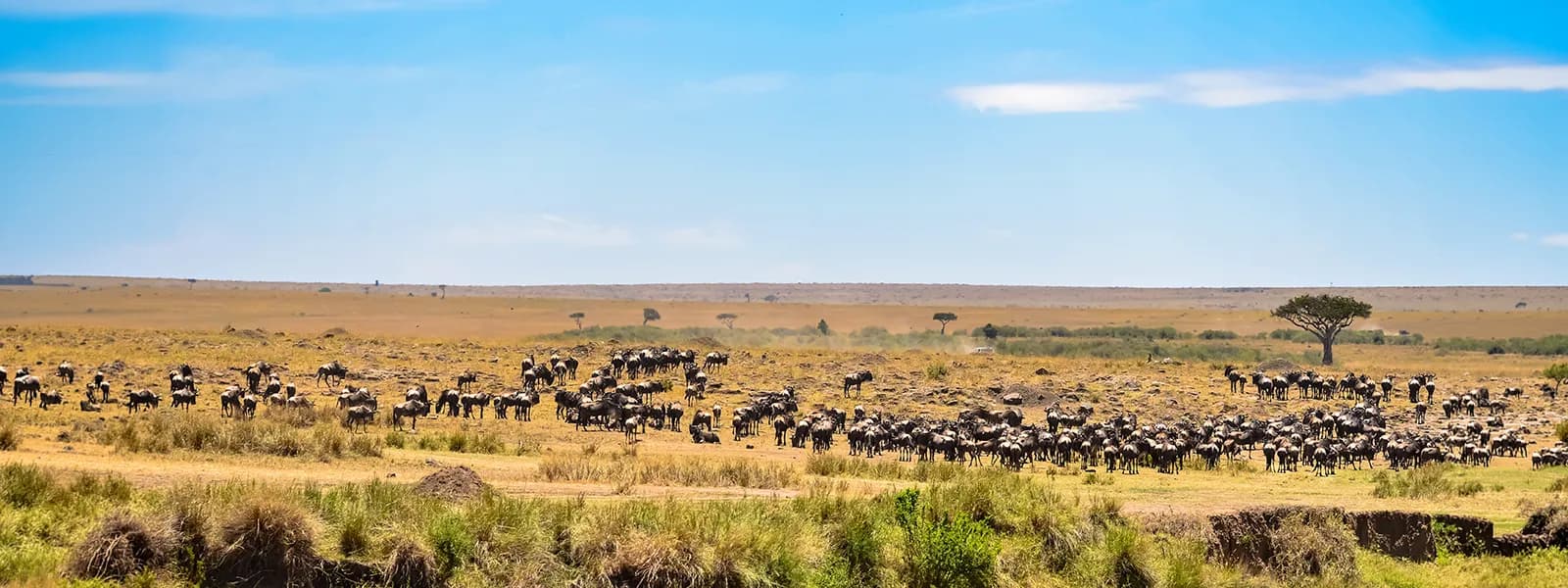
Tanzania Safari for Solo Travelers - What You Need to Know
Plan a safe, flexible, and unforgettable Tanzania safari with practical tips for solo travelers.

by Gervas Ngikari
Wed Sep 30 2026
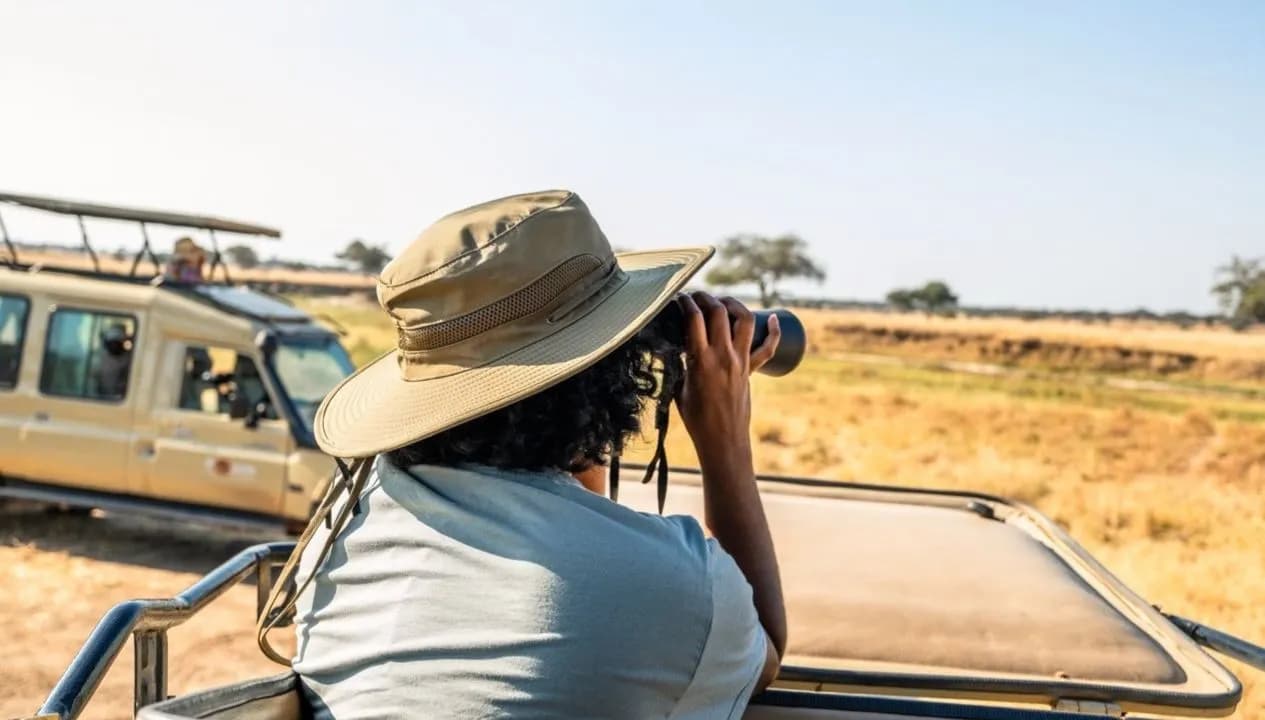
Travelling Solo Tanzania can be
surprisingly easy once the Safari arrangements are in place. There's still
someone handling driving, parking entry, accommodation and daily game drives.
The real difference is that you get to decide how the trip should actually
feel. Some solo travellers prefer a private vehicle and plenty of freedom.
Others would rather join a Small Group Safari, share the experience, and
meet people along the way.
There's also no need to build a long Tanzania Safari Itinerary
just because the journey to Tanzania is itself a long one. Serengeti,
Ngorongoro, Tarangire and Lake Manyara each offer something genuinely
different. A shorter route works perfectly well if it leaves enough time in the
parks. Start with your travel dates and the wildlife experiences that actually
matter, then choose destinations and safari style from there.
Can You Go on a Tanzania Safari Alone?
Absolutely, A Tanzania Safari for Solo
Travelers takes two main forms: a private safari or a shared group safari.
On a private trip, you travel with your own guide and vehicle. You get real say
over the pace of each day and can talk directly with the guide about what you
actually want to see.
Is Tanzania a Good Choice for Solo Safari Travel?
Tanzania suits travellers who like the
structure of an organised trip without needing to bring a companion along. Once
the safari begins, the guide and safari team handle most of the practical
details. That leaves real room to focus on the landscape, wildlife, photography
and the small moments that make a safari genuinely memorable. Good planning
still matters, though. Before booking, look closely at the itinerary,
accommodation, vehicle, transfers, meals, parking fees and included activities.
A clear itinerary makes it easier to
understand what you are paying for and what each day will actually involve.
Solo travel also gives you a chance to build the safari around your own
interests. If wildlife photography matters most, you can mention that before
booking. If you prefer relaxed game drives rather than moving between several
parks quickly, the itinerary can be planned around that preference.
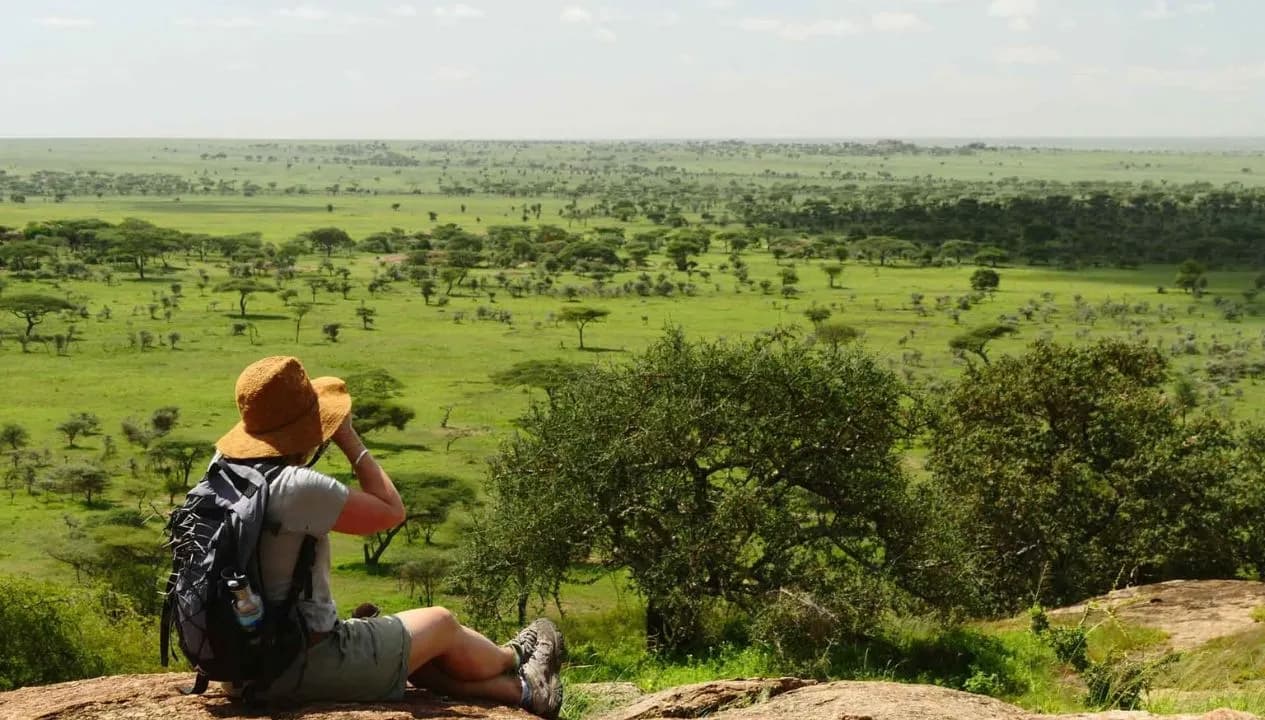
Private or Group Safari: What Works Better for Solo Travellers?
Solo travellers can choose between a
private or group Tanzania safari based on their budget, flexibility and
preference for social travel.
Private Tanzania Safari
A Private
Safari in Tanzania means your own vehicle and guide. That makes a
genuinely noticeable difference across several hours of game drives. Discuss
interests directly with the guide and decide how long to stay at a particular
sighting when circumstances allow. Photographing big cats? Are elephants more
of an interest? Or simply wanting to sit quietly and watch a herd without
worrying about another traveller's schedule? A private vehicle gives real room
for those choices.
The main drawback is cost. Travelling
without other guests in the vehicle means carrying a larger share of the safari
expenses. Private doesn't necessarily mean luxury, though. Accommodation can
still be chosen according to budget.
Group Tanzania Safari
A shared safari makes genuine sense for
anyone wanting to spend less and enjoy some company. Travel with other guests,
share the guide and vehicle, and generally follow a planned schedule. For a solo
traveller, that removes some of the loneliness that sometimes comes with
travelling alone.
There's a trade-off, though. Not every
decision gets made individually, and the group needs to stay reasonably close
to its agreed schedule. Before booking, ask how many people will share the
vehicle, how much luggage is allowed, and what type of Safari Vehicle
the operator actually uses.
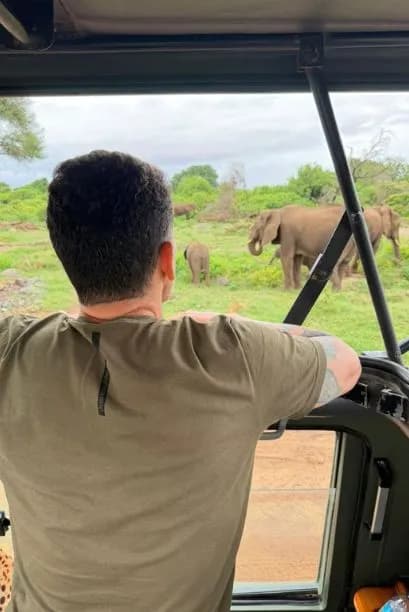
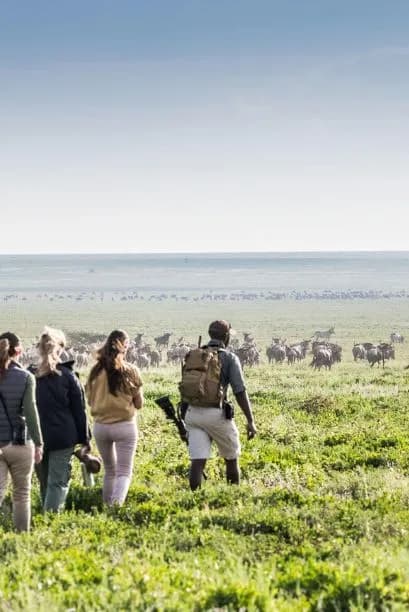
How Much Does a Tanzania Safari Cost for One Person?
There’s no standard price for a Solo
Tanzania Safari. The final cost depends on several things, including number
of safari days, destinations, accommodation, travel season, parking fees, vehicle arrangements, transfers
and activities. Private travel generally costs more per person, since the main
vehicle and guide costs aren’t shared with other guests. A group safari brings
the individual cost down instead. Accommodation plays a major role too.
Comparing? Look beyond the first number you
see. Check what the package actually includes.
The cheapest-looking itinerary may not
always represent the final amount you spend. Check whether parking fees,
airport transfers, meals, accommodation, game drives and other activities are
included. It is also worth checking whether the safari uses are shared or
private transport between destinations. Travelling during different seasons can
affect the overall cost as well. Your budget, preferred travel dates and
accommodation expectations should all be considered together when comparing
safari options.
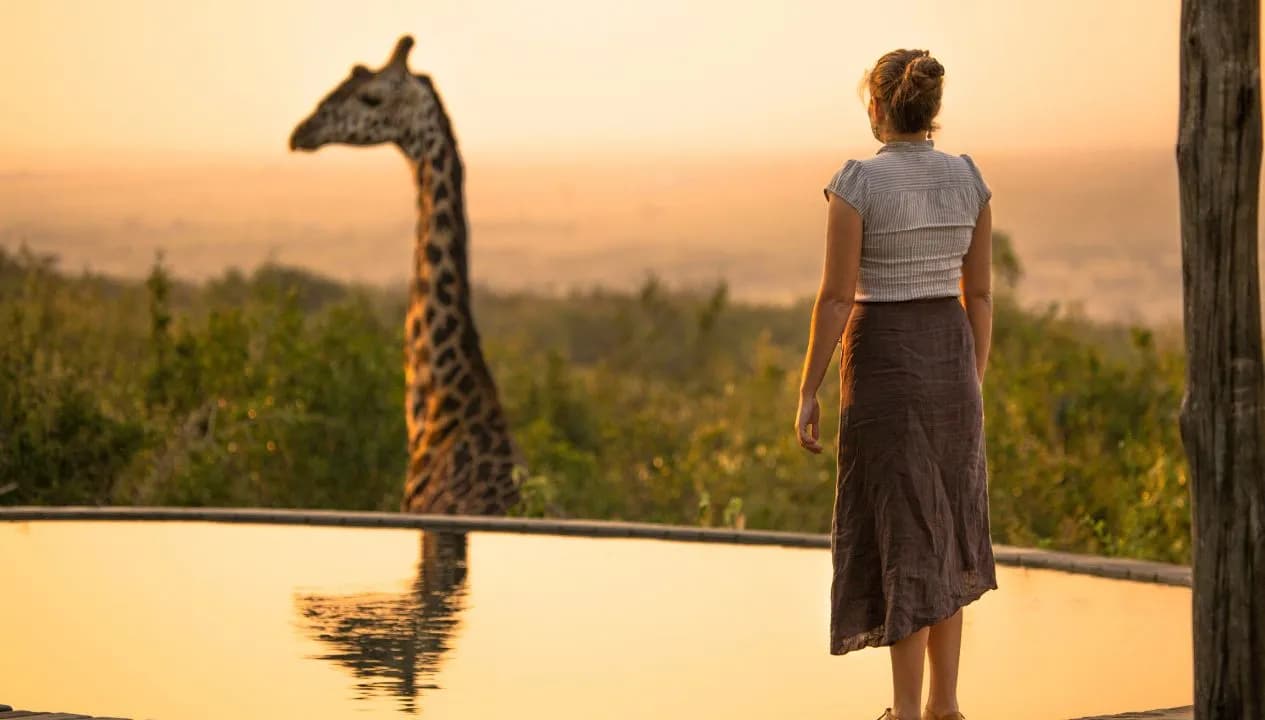
Where Should Solo Travellers Go on Safari in Tanzania?
Serengeti National Park: The Serengeti
is the destination most travellers picture first when they think about a Tanzania
Safari. Its broad plains support large numbers of herbivores and predators
alike and Game Drives regularly produce sightings of lion, cheetah,
elephant, giraffe and plenty more. The park also forms an important part of the
Great Migration. Timing and location shift across the year, so travel
dates matter genuinely when migration viewing forms part of the plan.
Ngorongoro Conservation Area: Ngorongoro
offers a genuinely different landscape entirely. The crater creates a dramatic
setting and supports a rich concentration of wildlife. Many Northern
Tanzania routes pair the crater with Serengeti.
Tarangire National Park: Tarangire
carries its own character, with large elephant herds, baobab trees, open
grassland and woodland. It fits well into a Northern Tanzania Itinerary,
especially when a different landscape matters more than spending the entire
trip in the Serengeti.
Lake Manyara National Park: Lake Manyara
brings together woodland, wetland, open areas and lake habitat. Birdwatchers
may find the park particularly interesting, and its compact size makes it a
practical stop on a longer Northern Circuit Safari.
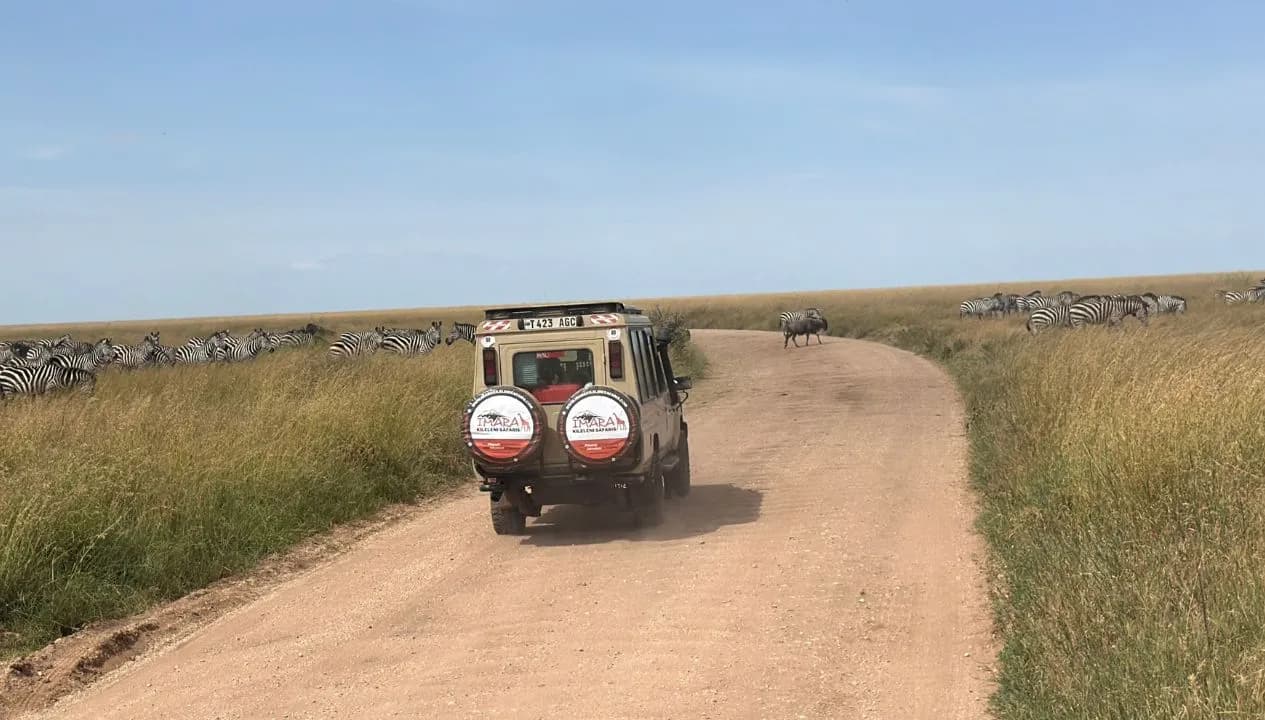
How Many Days Do You Need for a Solo Tanzania Safari?
A short safari works fine if the schedule
doesn't allow a longer trip. Three or four days suits travellers wanting to
focus on a small number of destinations. Five to seven days gives genuinely
more breathing room. Combine several Northern Tanzania Destinations
without every day feeling like a transfer day. With eight to ten days, slow the
pace further or spend more time in a destination like the Serengeti.
More days don't automatically make safari
better. What matters is how those days actually get used. A sensible Tanzania
Safari Itinerary leaves enough time for game drives rather than
filling every available day with another destination.
Is a Tanzania Safari Safe for Solo Travelers?
A Tanzania Safari isn't the same
as an ordinary city holiday. You travel through wildlife areas where animals
move freely, and national parks carry rules visitors genuinely need to follow.
The guide will explain where you can walk, when to stay inside the vehicle, and
how to behave around wildlife.
Take those instructions seriously. Don't
approach animals or leave the vehicle where parking rules prohibit it.
Why Does the Safari Guide Matter So Much?
A Tanzania Safari Guide
does considerably more than drive from one location to another. A good guide
knows the landscape and understands animal behaviour genuinely well. They point
out tracks, identify calls, explain unusual behaviour, and explain why certain
animals gather in particular areas.
The guide can also shape the experience
around actual interests. Photography matters? Say so. Want more time looking
for birds or big cats specifically? Mention it.
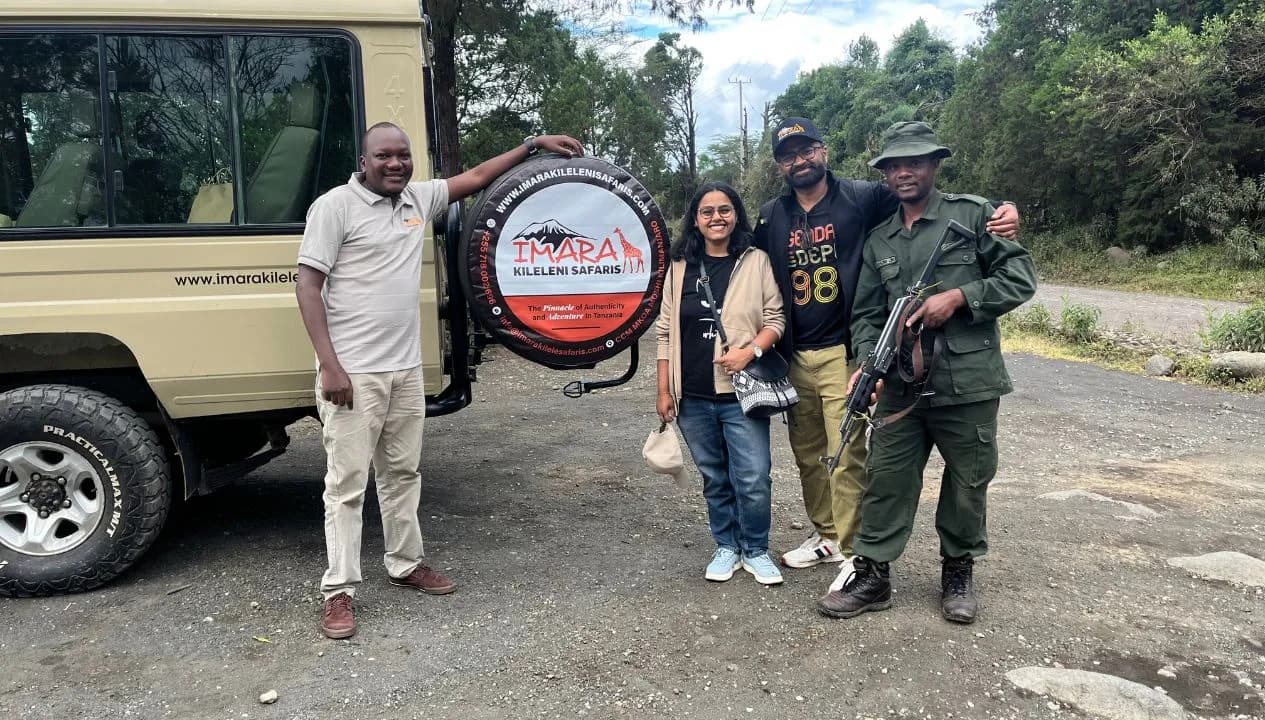
How Can Solo Travellers Meet People During a Safari?
A Safari Group offers the easiest
way to meet other travellers. Share Game Drives and often spend time
together around meals or common areas at the lodge or camp. The social side can
continue beyond the vehicle. Many lodges and camps have shared dining or common
spaces where guests naturally meet in the evening. A solo traveller can therefore
have plenty of interaction without needing to organise separate social
activities.
A private safari gives more personal space, but that doesn’t mean the entire trip has to be spent alone. Lodges and camps bring travellers together regardless. You can also choose accommodation with shared dining areas if meeting people is important to you. If you enjoy both independence and social interaction, a mixed approach can work well. Spend the safari days in a private vehicle while choosing accommodation where you can meet other guests in the evenings.
Which Safari Style Should a Solo Traveller Choose?
A private safari makes sense when
flexibility, privacy, photography and personal attention matter most. A group
safari makes more sense when keeping costs manageable and meeting other
travellers matter more. Before choosing, think through three things: budget,
the level of flexibility actually wanted, and how social the trip should feel.
It also helps to think about the type of
traveller you are. Someone who enjoys deciding where to spend extra time at a
wildlife sighting may prefer a private vehicle. Someone who likes meeting new
people and following a structured itinerary may feel more comfortable in a
shared safari. The important thing is to understand the trade-offs before
booking rather than choosing purely on price.
Planning a Solo Safari with Imara Kileleni Safaris
Planning a Tanzania Safari for Solo
Travelers involves considerably more than picking a few famous parks.
Travel dates, number of days, accommodation, preferred safari style and
wildlife interests all shape the route.
Yes, you can travel to Tanzania on your
own and join either a private or shared safari. Your safari operator can
arrange the main parts of the trip, including accommodation, transport, game
drives, and park visits.
Travellers should follow parking
regulations and listen carefully to their guide. Stay in permitted areas, avoid
approaching wildlife, and use organised transfers where appropriate. Your
operator can explain the safety procedures that apply to your itinerary.
Usually, A solo traveller pays a larger
share of the vehicle and guide costs when travelling privately. The total price
also depends on accommodation, route, duration, season, parking fees, and other
services included in the package.
Yes, Many safari itineraries allow
individual travellers to join shared vehicles. Ask about the expected group
size, vehicle capacity, itinerary, and accommodation before booking so you know
exactly how the trip will work.
Three or four days can work for a short
trip, while five to seven days gives you more room to explore. If you have
eight days or more, you can slow the pace and spend longer in major wildlife
areas.
You can discuss your travel dates,
preferred destinations, safari duration, accommodation, and private or shared
travel options with Imara Kileleni Safaris. These details can help shape a
safari around your own interests and budget.
Related Blog
Everything you need to know before planning your safari

Serengeti Calving Season 2027: A New Year Tanzania Safari to Witness New Life
Witness the Great Migration’s calving season in the Serengeti during a New Year 2027 Tanzania safari, with newborn wildebeest and incredible wildlife encounters.

Should You Book a Tanzania Safari at Christmas 2026 or choose a January 2027 Safari?
Compare Christmas 2026 and January 2027 safaris in Tanzania to choose the best time for wildlife viewing, weather, and holiday experiences.

Questions to Ask a Tanzania Safari Tour Operator Before Booking Your Christmas Holiday
Ask the right questions about safari costs, wildlife experiences, accommodation, and travel arrangements to plan a memorable Tanzania Christmas holiday.

Your Tailor-Made Serengeti Luxury Safari - What to Expect & How to Plan It
A practical guide to planning a personalized Serengeti safari with luxury stays, wildlife experiences and expert travel tips.

Tanzania Safari Recommendations - Our Team’s Personal Favorite Places
Our team’s favorite safari destinations, chosen for wildlife, scenery, and unforgettable experiences.

When Should You Book a Tanzania Safari? A Practical Booking Guide for 2027
Find out when to book your Tanzania safari for 2027, from peak-season planning to last-minute trips, with practical tips for choosing the right time.

Tanzania Safari for Wildlife Enthusiasts - How to Plan a Trip Around Specific Animals
Plan a Tanzania safari around the animals you most want to see, from the Big Five to cheetahs, elephants, wildebeest, and rare predators.

Return Safari Tanzania - Why Repeat Travellers Fall in Love All Over Again
Discover why returning to Tanzania brings new wildlife encounters, hidden gems, changing landscapes, and unforgettable safari experiences.

Game Drives in Tanzania - What to Expect from Serengeti to Beyond
Experience Tanzania’s wildlife up close with guided game drives, from the Serengeti’s big cats to the diverse landscapes beyond.

What to Know Before a Tanzania Safari - Essential Things Every Traveler Should Know
Essential Tanzania safari tips covering the best time to visit, what to pack, park rules, costs, health, and what to expect on your trip.

Tanzania Safari National Parks: The Best Places to See Wildlife in 2026
Explore Tanzania’s top national parks, from the Serengeti to Tarangire, and discover where to see Africa’s most iconic wildlife in 2026.

Tanzania Safari Tipping Guide - How Much Should You Tip Your Safari Guide and Camp Staffs?
A practical guide to tipping safari guides, drivers, camp staff, and other service teams in Tanzania.

Tanzania Safaris - When and Where to See the Great Migration
The Great Migration is mainly seen in the Serengeti, where millions of wildebeest, zebras, and gazelles move across the plains in search of fresh grazing and water.

What Animals Can You See on a Tanzania Safari - Complete Wildlife Guide
Explore Tanzania’s incredible wildlife, from the Big Five and iconic predators to elephants, giraffes, zebras, wildebeest, and diverse birdlife.

How to Choose the Right Tanzania Safari Itinerary for Your Trip
Plan the Perfect Tanzania Safari Around Your Time, Interests and Travel Style

Private vs Group Tanzania Safari: What Is the Difference?
Compare the flexibility, cost, privacy, and experience of private and group Tanzania safaris.

Serengeti vs Ngorongoro vs Tarangire: Which Tanzania Safari Parks Should You Visit?
Compare Tanzania’s Top Safari Parks for Wildlife, Scenery, and Safari Experiences.

How Many Days Do You Need for a Tanzania Safaris?
Explore the ideal safari duration, from short wildlife escapes to immersive Tanzania safari adventures.

Arusha Walking Safari Experience - Swati and Arpit's Journey into Tanzania's Wild
A Step-by-Step Adventure Through Arusha’s Untamed Wilderness, Wildlife, and Natural Beauty.

The German Guide to Tanzania Visas - Everything You Need Before You Book Your Safari
A Complete Guide for German Travelers on Visa Requirements, Applications, and Entry Rules for a Hassle-Free Tanzanian Safari.

From France to the Serengeti: A Couple's First Encounter with the Great Migration
A Romantic African Escape Filled with Wildlife, Wonder, and Discovery

Why French Travellers Choose Tanzania for Their Dream Safari Experience
Explore the breathtaking wildlife, luxury lodges, and unforgettable adventures that make Tanzania a favorite safari destination for French visitors.

A Great Tanzania Safari Starts with a Great Safari Guide - Here's Why
Discover How an Expert Safari Guide Can Turn Your Tanzania Adventure into an Unforgettable Wildlife Experience

What is the best time to visit Tanzania for a safari?
The best time for a Tanzania safari is generally from June to October for dry-season wildlife viewing, while January to March is ideal for the Serengeti calving season.

From Frankfurt to Kilimanjaro Airport - The Best Routes for Your Tanzania Safari
Discover the fastest flight routes, airline options, and travel tips for a smooth journey from Frankfurt to Kilimanjaro Airport and your unforgettable Tanzania safari.

Serengeti Shall Not Die - The Legacy of Bernhard Grzimek for German Travelers
Discover how Bernhard Grzimek's conservation vision continues to inspire German travelers exploring Tanzania's iconic Serengeti National Park.

The Silence of a Tanzania Safari at Sunrise
Experience the peaceful moments of dawn as Tanzania's wilderness awakens with the first light of day.

How Predators and Prey Interact in Tanzania National Parks
Explore the fascinating balance of survival in Tanzania’s national parks, where predators hunt, prey adapt, and every encounter shapes the rhythm of the wild ecosystem.

How Wildlife Reacts to Safari Vehicles?
Discover how safari vehicles influence animal behavior and learn why most wildlife views them as a harmless part of their natural environment.

The Difference Between Seeing Wildlife and Experiencing Wildlife
Go beyond simple sightings and connect with nature through immersive safari moments, where every animal encounter, landscape, and sound creates unforgettable memories in the wild.

How Different Weather Conditions Change Safari Experiences
Weather conditions shape every safari experience, from lush green landscapes and newborn wildlife during rainy seasons to dramatic wildlife sightings, migrations, and clear game-viewing opportunities in dry seasons.

Why Two Travelers Experience the Same Safari Differently
No two travelers experience the same safari in the same way because changing wildlife behavior, weather, timing, guide perspective, and personal interests create completely unique and unrepeatable moments for each journey.

Why Some Safari Moments Cannot Be Captured on Camera
Some safari experiences go beyond what a camera can capture—from the distant roar of a lion and the scent of the wild to the emotions of witnessing nature unfold in real time, creating memories that stay with you long after the journey ends.

Why Every Game Drive in Tanzania Feels Completely Different
Every game drive in Tanzania offers a unique experience, with changing landscapes, wildlife encounters, animal behaviors, and natural conditions ensuring that no two safaris are ever the same.

How Tanzania Safari Ecosystems Support Wildlife Survival
Discover how Tanzania’s diverse ecosystems—from the Serengeti plains to the Ngorongoro highlands—provide food, water, shelter, and migration routes that are essential for wildlife survival.

How Professional Safari Guides Track Wildlife in Tanzania
Discover how expert safari guides in Tanzania use animal tracks, sounds, scents, and behavior patterns to locate wildlife in the wild. Their deep bush knowledge transforms every safari into an authentic and unforgettable adventure.

How Safari Vehicles Influence Wildlife Experiences in Tanzania
Safari vehicles in Tanzania play a crucial role in shaping wildlife experiences by influencing comfort, visibility, accessibility, safety, and the overall quality of game viewing during safari adventures.

The Difference Between Standard and Premium Tanzania Safari Experiences
Discover the key differences between standard and premium Tanzania safari experiences, from accommodation and wildlife viewing to personalized services, comfort, flexibility, and exclusive safari adventures.

What Safari Guides See That Travelers Usually Miss
Discover the hidden wildlife behaviors, subtle animal movements, and untold bush details that experienced safari guides notice long before most travelers do.

What Luxury Really Means on a Tanzania Safari
Luxury on a Tanzania safari is not just about five-star lodges, but about personalized experiences, private game drives, expert guides, seamless service, and unforgettable moments in the wild.

From Sunrise to Starlight: A Full Day on the Best Safari in Tanzania
Experience the magic of Tanzania from sunrise game drives to starlit evenings, where every moment on safari brings unforgettable wildlife encounters, breathtaking landscapes, and authentic African adventure.

Why Travelers Say the Serengeti Feels More “Alive” Than Other Safari Parks
The Serengeti feels more “alive” because wildlife moves freely across endless plains, creating nonstop natural drama and unforgettable safari moments.

Serengeti Safari Trends: When Most Travelers Visit and Why
Discover the best time for a Serengeti safari by understanding when most travelers visit, what attracts them each season, and how timing shapes the overall wildlife experience.

Tanzania Safari in Serengeti National Park: The Good, The Bad, and The Dust
A Serengeti safari delivers unforgettable wildlife encounters, breathtaking landscapes, and raw adventure — but travelers should also prepare for long drives, dusty roads, and unpredictable wilderness conditions.

Safari to Tanzania: Complete Guide, Costs, and Travel Tips (2026)
Plan your perfect Tanzania safari in 2026 with expert tips on costs, best parks, travel seasons, wildlife experiences, and safari planning essentials.

Best Tanzania Safari Company: How to Choose the Right One in 2026
A complete guide to choosing the best Tanzania safari company in 2026 by comparing experience, safety, guides, reviews, customization, pricing transparency, and overall safari quality for an unforgettable African adventure.
Serengeti Calving Season 2027: A New Year Tanzania Safari to Witness New Life
Witness the Great Migration’s calving season in the Serengeti during a New Year 2027 Tanzania safari, with newborn wildebeest and incredible wildlife encounters.
Should You Book a Tanzania Safari at Christmas 2026 or choose a January 2027 Safari?
Compare Christmas 2026 and January 2027 safaris in Tanzania to choose the best time for wildlife viewing, weather, and holiday experiences.
Questions to Ask a Tanzania Safari Tour Operator Before Booking Your Christmas Holiday
Ask the right questions about safari costs, wildlife experiences, accommodation, and travel arrangements to plan a memorable Tanzania Christmas holiday.