Serengeti vs Ngorongoro vs Tarangire: Which Tanzania Safari Parks Should You Visit?
Compare Tanzania’s Top Safari Parks for Wildlife, Scenery, and Safari Experiences.

by Gervas Ngikari
Tue Sep 22 2026
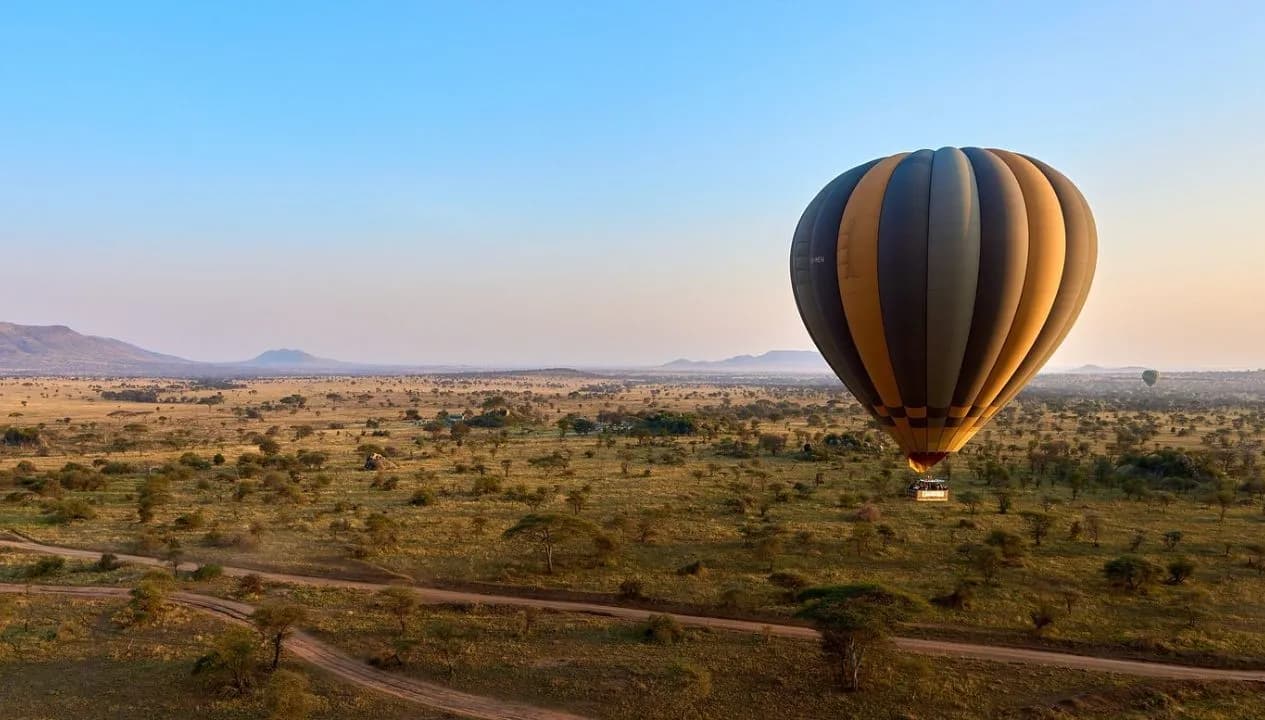
Serengeti is known for its wide-open plains, the Great Migration, and
incredible big-cat sightings. Ngorongoro is famous for its spectacular crater,
dramatic scenery, and rich wildlife, while Tarangire stands out for its
elephants, baobab trees, and seasonal wildlife. When comparing Serengeti vs
Ngorongoro vs Tarangire, consider what you want to see, when you plan to
travel, and how much time you have. A well-planned Tanzania Safari Itinerary
can include two or all three parks, allowing you to experience different
landscapes and wildlife during a Northern Tanzania safari.
Which Tanzania Safari Park Should You Visit?
Key Facts About Serengeti, Ngorongoro, and Tarangire
- Serengeti National Park: Built around the Great Migration, big cats, open plains, and longer game drives.
- Ngorongoro Conservation Area: Centred on the Ngorongoro Crater, with abundant wildlife and dramatic scenery.
- Tarangire National Park: Known for elephants, baobab trees, birdlife, and wildlife that moves with the seasons.
- Short safari: Better to focus on one or two parks than try to cover everything.
- 5–7 days: Enough time to combine several Tanzania safari parks properly.
- Longer safari: More room for game drives and a relaxed pace.
- Northern Tanzania safari: Serengeti, Ngorongoro, and Tarangire combine naturally into one varied itinerary.
Three Parks, Three Different Safari Experiences
Tanzania's Northern Circuit brings together some of the country's best-known safari destinations, but Serengeti, Ngorongoro, and Tarangire couldn't feel more different from each other on the ground. Serengeti National Park means vast open plains, the Great Migration, and real chances to see lions, cheetahs, and leopards at work. Ngorongoro Conservation Area brings famous craters, dramatic scenery, and dense wildlife, while Tarangire National Park is defined by its elephants, baobabs, birdlife, and wildlife movements that shift with the seasons.
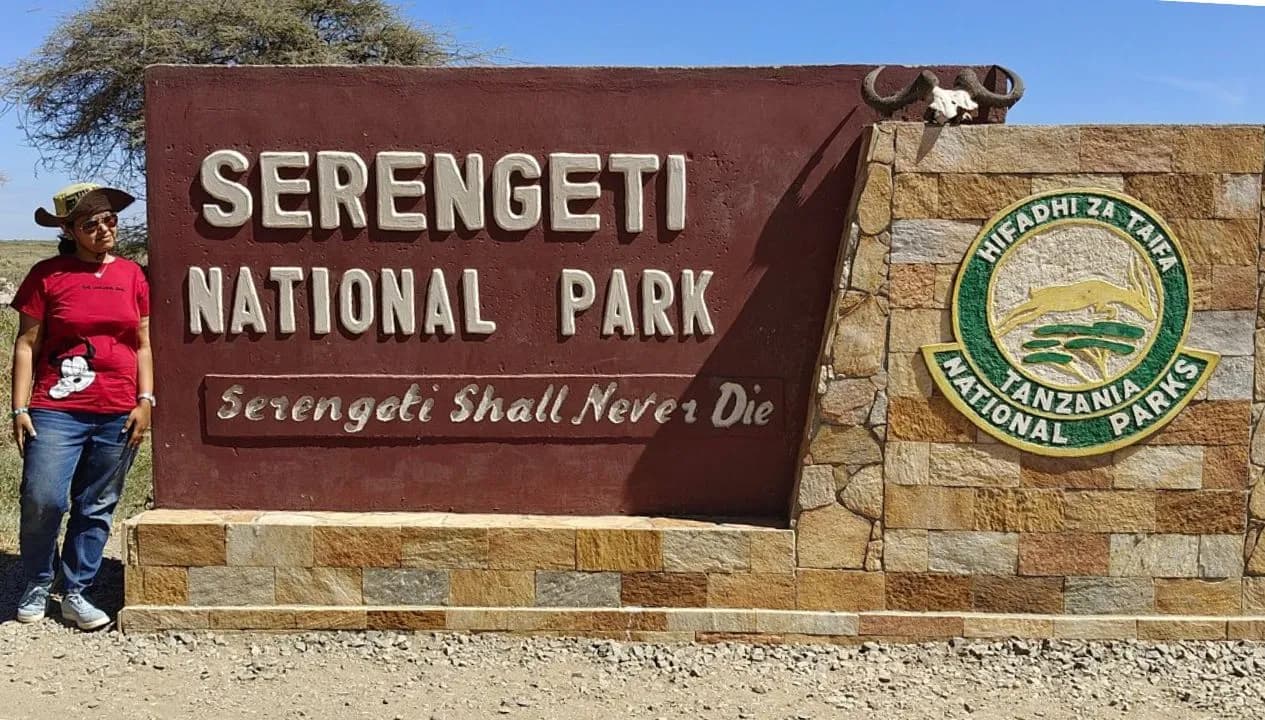
Those differences are exactly what makes choosing easier once you know
what you're after. Weigh up your travel dates, your wildlife interests, and how
much time you've got before settling on a route. Chasing the classic Tanzania
Safari Experience? Serengeti and Ngorongoro make a strong pairing,
and Tarangire adds a third landscape and a different wildlife dynamic on
top. All three fit into a longer trip too, provided there's enough time for
proper game drives rather than a string of rushed transfers.
Serengeti National
Park: Vast Plains and Abundant Wildlife
The Serengeti
tends to sit at the heart of a first Tanzania Safari, and it's easy to
see why once you're in it — the landscape is enormous, and the wildlife on
offer is genuinely remarkable. The open plains stretch across a huge area,
which gives games and drives a lot of room to explore. Grassland gives way to
wooded pockets and back again, and the shifting terrain means each drive feels
genuinely different from the last. Given the park's scale, staying more than a
single day opens up far more of it.
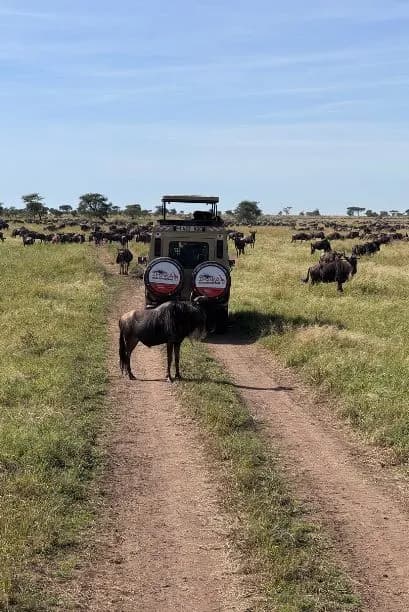
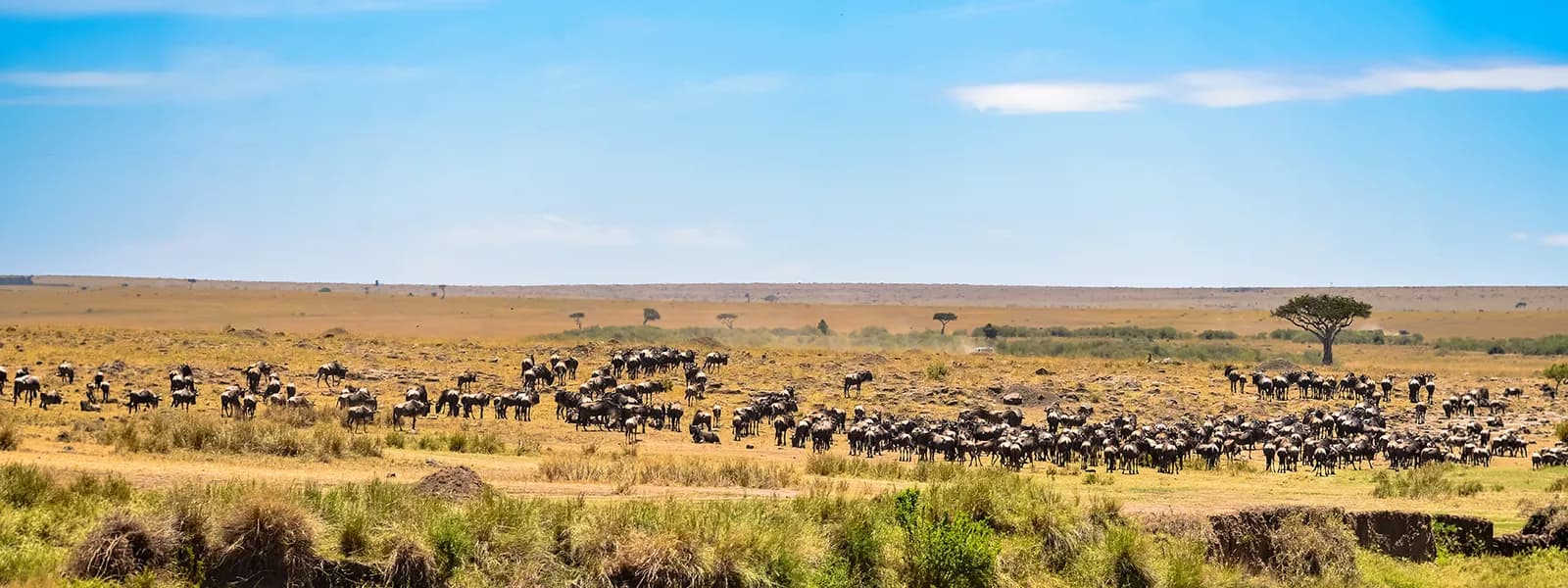
The Great Migration remains one of the biggest draws to the Serengeti
specifically. Enormous herds of wildebeest and other grazers move through the
wider ecosystem in an annual cycle, and they're never sitting still in one spot
for long. Their location shifts with the seasons, so your travel dates end up
shaping what you actually see. If following the migration matters to your trip,
building the Serengeti leg of your itinerary around where the herds remarked
to be made a real difference.
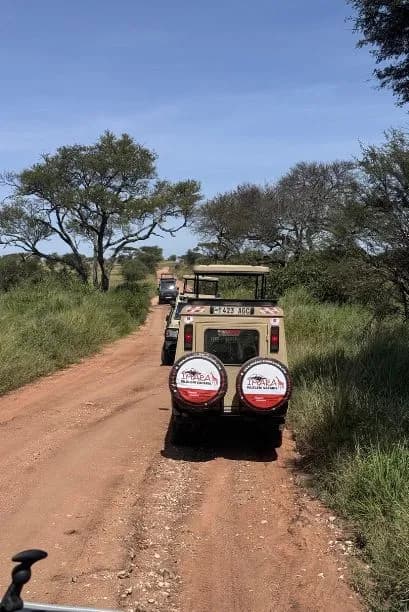
The Serengeti is also strong for predator sightings during game
drives. Lions turn up regularly, and cheetahs and leopards are entirely
possible depending on the area and conditions that day. Experienced guides put
real work into these following tracks, reading animal behaviour, and checking
spots where wildlife tends to gather. Nothing's ever guaranteed but spending
several days here means more chances in different areas and multiple drives
without racing from one park to the next.
Comparing Serengeti vs Ngorongoro, one of the clearest differences
is simply scale and character. Serengeti hands you a much larger landscape to
work with, open plains, and wildlife whose location keeps shifting. It suits
travellers who want more time out in the bush, enjoy longer drives, or have a
genuine interest in the Great Migration and predator viewing
specifically. How much time you have available should shape how much of your
itinerary goes to Serengeti.
Ngorongoro Conservation
Area: Wildlife and Crater Views
Ngorongoro is a completely
different Tanzania safari experience from the open plains further north.
The crater sits at the centre of it all, steep walls ringing grassland and
other habitat where wildlife concentrates. That setting alone gives game
viewing here a distinct feel, and the surrounding scenery is arguably just as
much a part of the experience as the animals. For a lot of travellers, that
combination of wildlife and dramatic views is exactly what earns Ngorongoro
its place on a Northern Tanzania Itinerary.
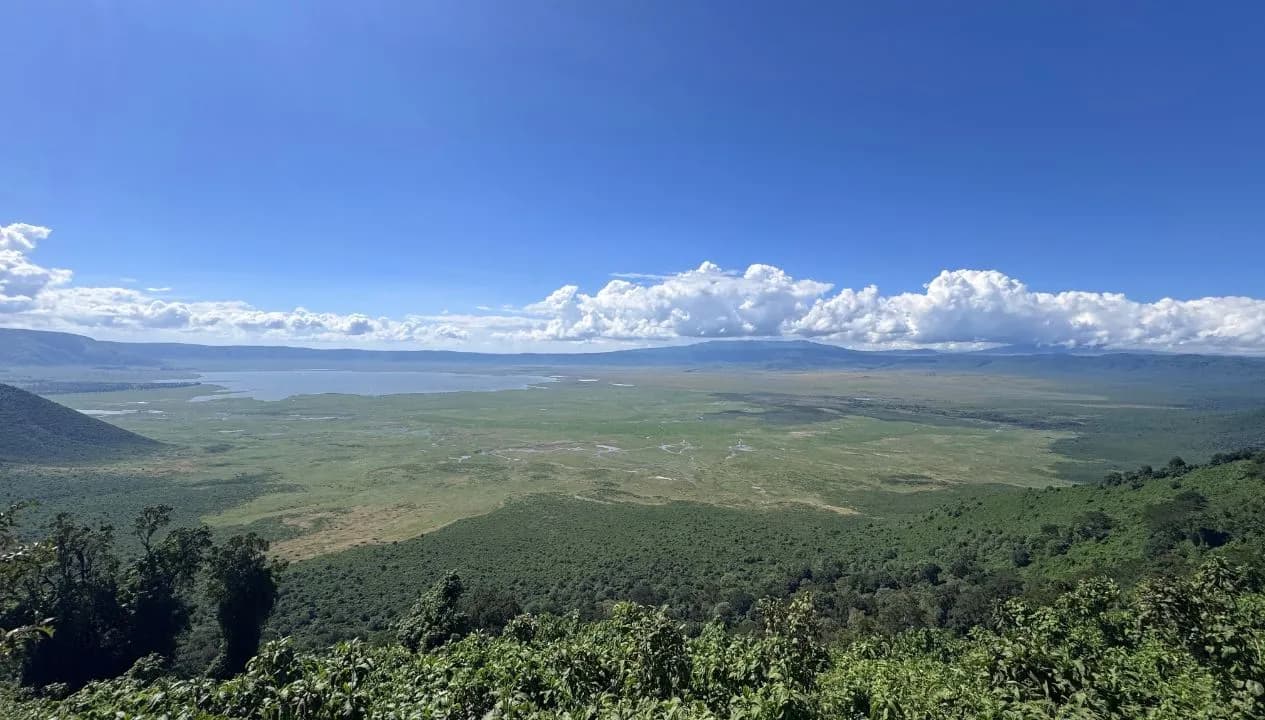
A drive down into the Ngorongoro
Crater can turn up lions, elephants, buffalo, zebra, wildebeest, and
hippo. With some luck, the endangered black rhino too. Wildlife moves freely
down there, so no guide can promise a specific sighting on a specific drive.
What the crater does offer is a genuine range of habitat within one
concentrated area, which suits travellers after a strong wildlife experience
without committing several days to one enormous park.
The scenery itself is reason enough to include Ngorongoro on its
own. Crater walls, open grassland, and wetland create a setting that looks
nothing like the broad plains of the Serengeti. That makes Ngorongoro a
strong fit for travellers who want wildlife paired with dramatic scenery,
rather than focusing purely on long game drives. It's also an appealing pick
for first timers wanting one of Tanzania's most recognisable landscapes
alongside solid wildlife viewing.
The wider Ngorongoro Conservation Area extends well beyond the
crater itself, which lets it slot naturally into a longer Northern Tanzania
route. Most travellers pair it with Serengeti or Tarangire rather
than treating it as a destination on its own. Comparing Ngorongoro vs
Tarangire comes down to the kind of experience you want — Ngorongoro leans
into the crater landscape and concentrates on wildlife, while Tarangire offers
elephants, baobabs, birds, and seasonal wildlife in a noticeably different
setting altogether.
Tarangire National
Park: Elephants and Baobab Landscapes
Tarangire
National Park brings a third
character entirely to a Northern Tanzania safari, particularly for
anyone drawn to elephants and distinctive landscape. The park is genuinely
famous for its elephant herds and watching them move through a landscape
scattered with huge baobab trees often becomes one of the standout moments of
the whole trip. The setting is unlike either Serengeti or Ngorongoro,
which makes Tarangire a useful addition for travellers after more variety in
scenery and wildlife alike.
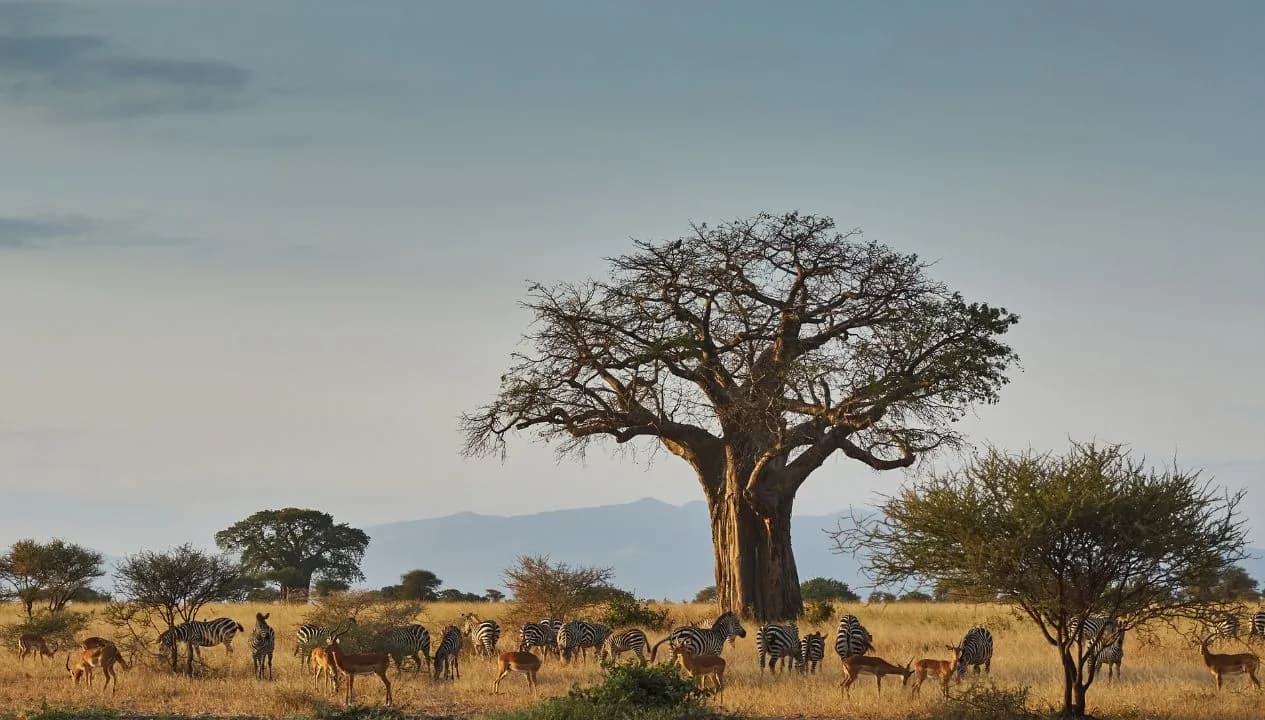
Water shapes a lot of what happens in Tarangire. During the drier
stretches, wildlife tends to stay closer to reliable water sources, which can
make for strong, concentrated game viewing. Conditions and movement patterns
shift through the year though, so what you see depends heavily on season and
location. That seasonal rhythm is exactly why experienced guides rate Tarangire
as an interesting addition to a wider route, especially for travellers wanting
something that isn't just another version of the open Serengeti plains.
Tarangire also does well with birdwatchers, since its varied habitat
supports a long list of species alongside the bigger mammals. Game drives here
let you track birds and smaller wildlife at the same time as watching elephants
move through. That mix of wildlife and unusual Baobab scenery gives
photographers plenty beyond the standard big-game shots. Tarangire can also
offer a change of pace after other, busier stops, particularly if you're after
a different side of the Northern Circuit.
Worth considering if elephants, birds, and unusual landscapes are
near the top of your list. It works particularly well as an opening stop on a
wider route, with travellers visiting Tarangire first before continuing
on to Ngorongoro and Serengeti. Comparing Serengeti vs Tarangire,
the difference really comes down to the kind of safari you want — Serengeti for
vast plains, predators, and the migration; Tarangire for elephants, baobabs,
and a strong seasonal wildlife rhythm in a very different landscape.
Finding the Right Park
for Your Safari Style
There's no single right answer when choosing between Tanzania's Best Safari Parks, because each one genuinely offers something different. Start
by working out the experience you actually want, then build the route around
that. For a first safari featuring some of Tanzania's most famous wildlife
destinations, Serengeti and Ngorongoro pair well — the wide-open
Serengeti landscape alongside the crater scenery and wildlife of Ngorongoro.
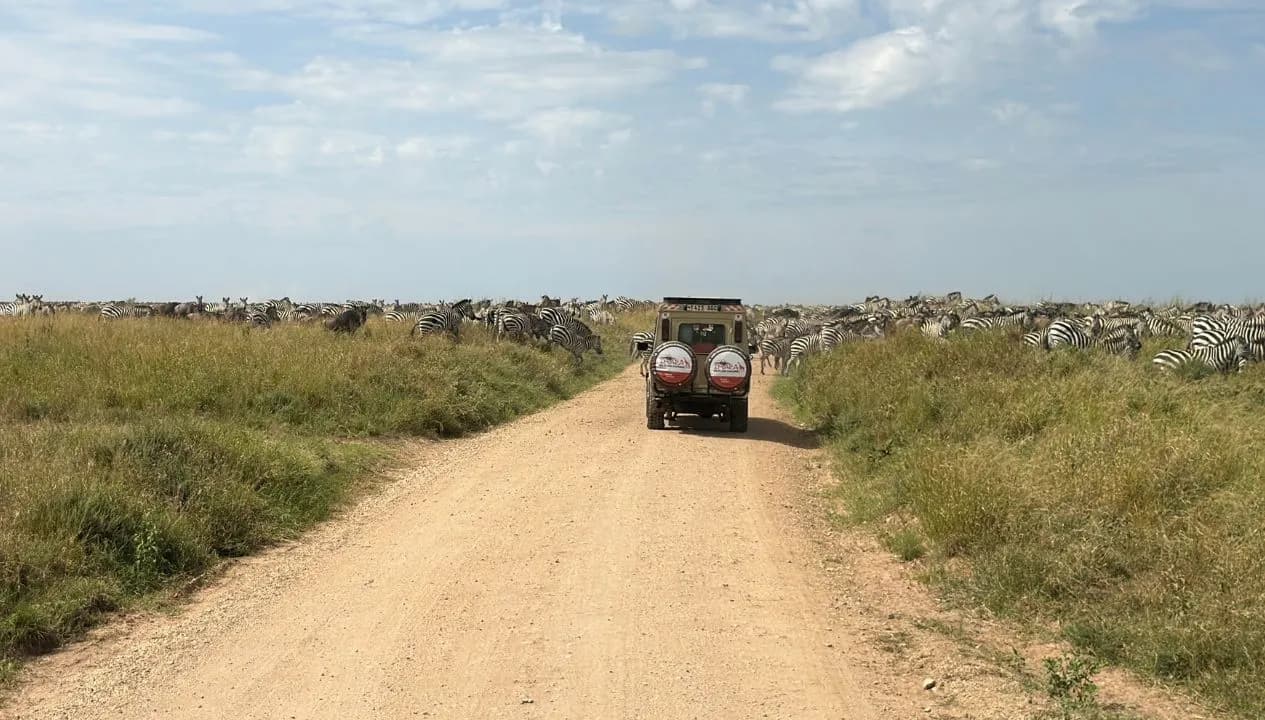
If the Great Migration is your main reason for coming to Tanzania,
make Serengeti central to your plans and think carefully about your
dates. The herds move through different stretches of the wider ecosystem across
the year, so planning around their expected seasonal movement beats assuming
they'll sit in one spot. Your route may need to shift depending on timing,
which is exactly where local knowledge earns its keep when deciding where to
spend each night.
Elephants near the top of your list? Tarangire National Park
deserves a proper look as part of your route. It suits photographers and
birdwatchers too, alongside anyone drawn to distinctive landscape. Ngorongoro
suits travellers on a tighter schedule who still want a strong wildlife
experience in a genuinely dramatic setting, while Tarangire brings a different
landscape and wildlife rhythm entirely. Weighing these differences before
booking helps build an itinerary around what you actually want, rather than
picking parks purely because they're famous.
Got more time on hand? All three parks fit into one itinerary, giving you
a much wider mix of scenery and wildlife. More parks don’t automatically mean a
better safari though. Long drives between destinations eat into actual
game-drive time, which is exactly why experienced safari planners weigh travel
time as heavily as park count. A shorter route with more time in each
destination often beats trying to squeeze everything into a tight number of
days.
Planning the Best Time
and Safari Duration
The Best Time for a Tanzania Safari really comes down to what you
want to see and the kind of experience you're after. Tanzania's dry and green
seasons shape the landscape, the wildlife's movement, and game-viewing
conditions in genuinely different ways. In the dryer stretches, animals cluster
closer to reliable water, which can make them easier to find in certain areas.
The green season brings fresh growth, greener scenery, and strong conditions
for photography and birding, giving the parks a completely different feel.
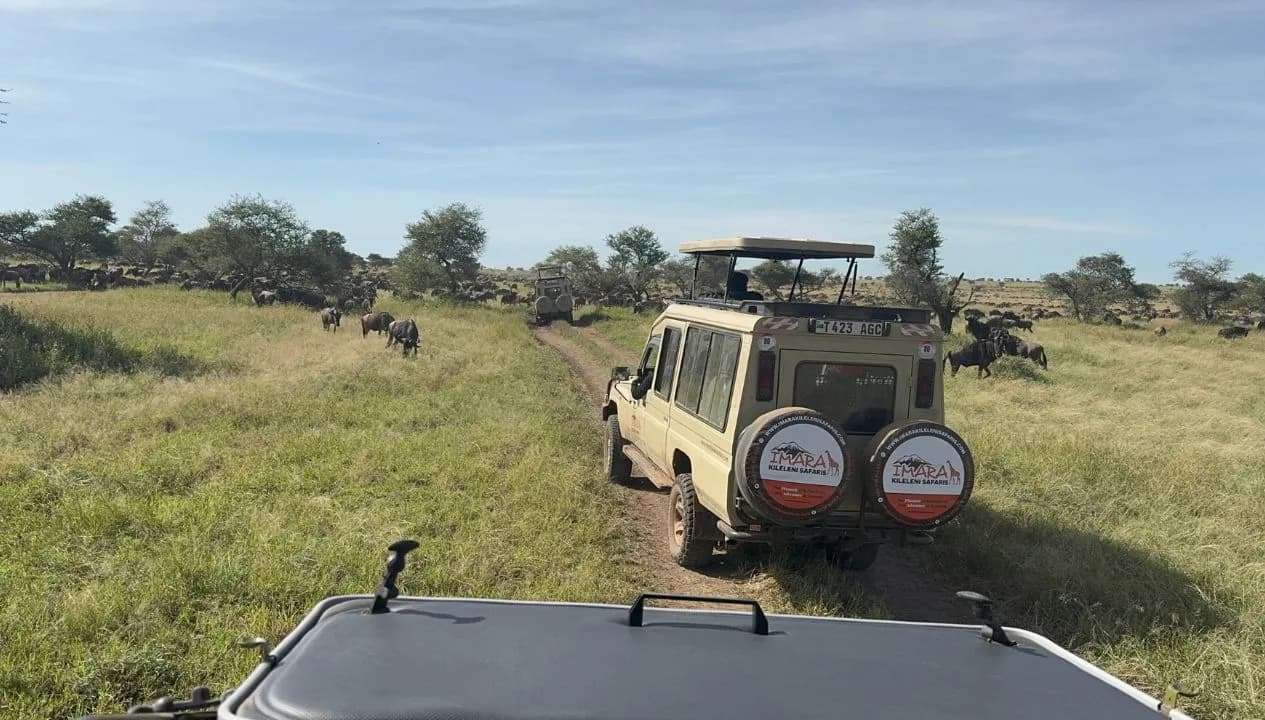
Following the Great Migration specifically? Your travel dates
become genuinely important. The herds move through different parts of the Serengeti
ecosystem across their annual cycle, so the right route depends heavily on
when you visit. Rather than assuming the migration sits in one fixed spot, plan
the Serengeti leg of your trip around where the herds are expected to
be. A knowledgeable safari operator can then help decide how much time to give
Serengeti and how it fits alongside Ngorongoro and Tarangire.
Your overall safari length shapes how many parks make sense too. With
three or four days, focusing on one or two destinations usually beats trying to
cover the whole Northern Circuit. A 5–7 Day Tanzania Safari gives
enough room to combine Tarangire, Ngorongoro, and Serengeti properly,
while eight to ten days lets you slow right down, spend more time in Serengeti,
and add extra game drives without every day feeling like a transfer.
Experienced safari operators weigh driving distances carefully too, since
time spent on the road is time not spent watching wildlife. That matters most
on shorter trips, where an overly ambitious route can eat up more of the
holiday than expected. Your ideal Tanzania safari length should balance
the number of parks against how much time you genuinely want on game drives, at
your accommodation, and simply taking each destination in at a comfortable
pace.
A Northern Tanzania
Safari That Brings It All Together
A Five-Day Tanzania Safari Itinerary might open in Tarangire,
continue on to Ngorongoro, then finish in Serengeti. As an
example: day one exploring Tarangire, day two around the Ngorongoro area, and
the remaining time spent in Serengeti. That kind of route gives you genuinely
different landscapes and wildlife environments rather than spending the whole
trip in one type of setting.
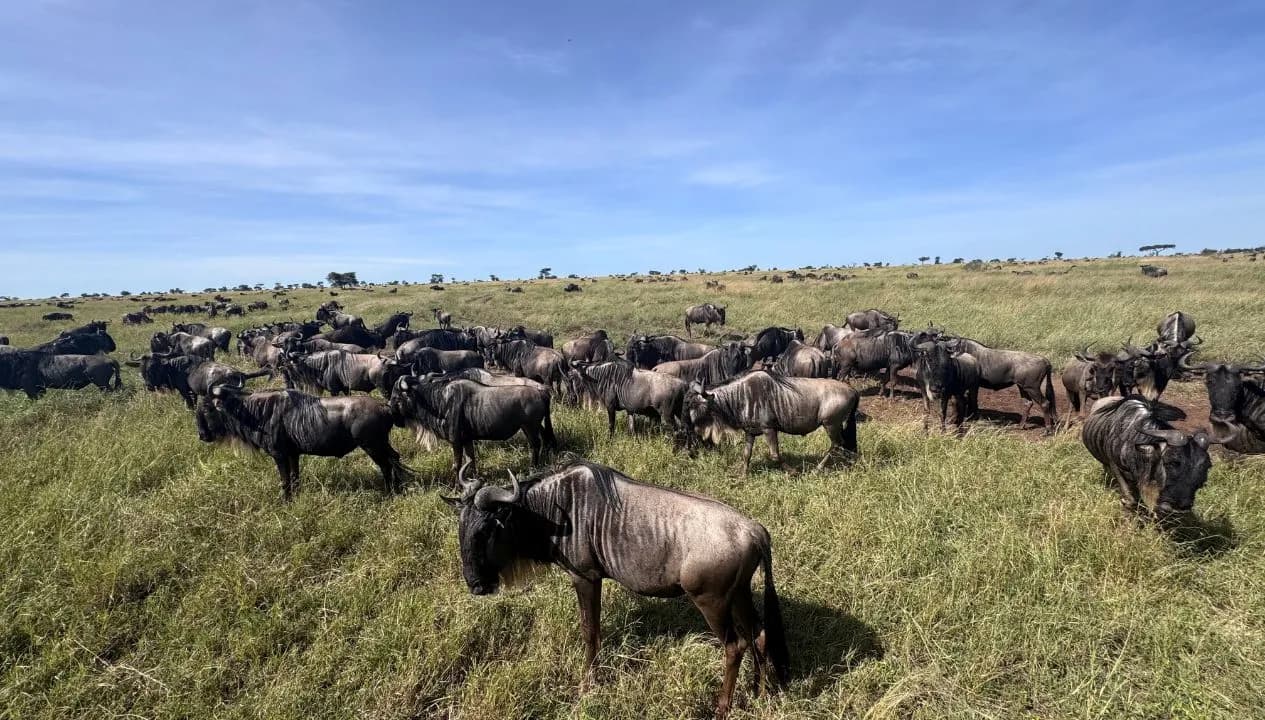
That's just one possible shape though, since the right itinerary always
depends on travel dates, arrival and departure points, accommodation choices,
budget, and wildlife interests. Travellers timing their trip around the Great
Migration might want to adjust the Serengeti portion accordingly, while
those working with less time may narrow down to fewer destinations. The real
goal is enough time in each park rather than simply ticking destinations off a
list.
Planning around the Great Migration specifically can reshape the Serengeti
route depending on where the herds are expected to be. Local knowledge
helps here — deciding where to spend the nights and how much time each
destination deserves. That becomes especially useful when combining Serengeti
with Ngorongoro and Tarangire, since each park brings its own character and
its own travel considerations. A thoughtfully built route means experiencing
more without the trip ever feeling rushed.
At Imara Kileleni Safaris, the team can help shape a Tanzania safari
itinerary around what you actually want to see and do. Rather than trying
to hit every famous park, you can pick destinations that genuinely fit your
available time, your wildlife interests, and your travel style. Whether Serengeti,
Ngorongoro, Tarangire or all three end up suiting your plans, the
itinerary gets built around the practical details that actually matter to your
trip.
Plan Your Tanzania Safari with Imara Kileleni
Safaris
A good Tanzania
Safaris doesn't need to include every famous park. The right route
depends on what you actually want from the trip, how much time you have, and
when you're travelling. Serengeti offers wide-open plains, predators,
and the Great Migration; Ngorongoro pairs wildlife with dramatic crater
scenery; Tarangire brings elephants, baobab trees, birds, and strongly
seasonal wildlife. Two of the three, or all three, adds up to a genuinely
varied Northern Tanzania safari.
At Imara Kileleni Safaris,
our team can help plan a trip around your travel dates, available days,
wildlife interests, and budget. Whether you're after a focused Serengeti
safari or a wider Northern Tanzania route, the itinerary can be built with
enough time for real game drives and realistic travel between destinations.
Explore our Tanzania safari packages or get in touch to start planning a
safari built around the experience you actually want.
Serengeti and Ngorongoro offer genuinely
different experiences, so the right pick depends on what you want from the
trip. Serengeti suits travellers after wide-open landscapes, predators, and the
Great Migration, while Ngorongoro delivers a dramatic crater setting
with dense wildlife. Given enough time, visiting both gives you a more varied Tanzania
safari by pairing Serengeti's open plains with Ngorongoro's concentrated
wildlife and scenery.
Tarangire can be a genuinely
strong addition, particularly if elephants, baobab landscapes, and birdwatching
appeal to you. Its landscape and seasonal wildlife movement offer something
distinctly different from both Serengeti and Ngorongoro. Adding
Tarangire brings real variety to a Northern Tanzania Itinerary too,
especially with enough time to actually explore the park rather than pass
through it on the way somewhere else.
Yes — Serengeti, Ngorongoro, and Tarangire combine naturally into
one Northern Tanzania Safari. A five- to seven-day trip gives you
time to properly experience each one, though the exact route should account for
season, driving time, and the specific wildlife you're after. On a shorter
trip, focusing on fewer parks generally means more time for actual game drives
and less time spent on the road between them.
Five to seven days works well if you want
all three parks without the itinerary feeling rushed. With only three or four
days, narrowing down to fewer destinations usually means more real game-viewing
time. Eight to ten days lets you slow the pace right down, spend longer
in Serengeti and fit in extra drives. Your ideal length ultimately
comes down to your priorities and how much holiday time you've actually got.
Serengeti, Ngorongoro and Tarangire can all suit first-time visitors, but each deliver
something different. Serengeti works well for predators, open plains, and the Great
Migration, while Ngorongoro pairs wildlife with dramatic crater scenery.
Tarangire is particularly known for Elephants and Baobab Landscapes. Let
your travel dates, available time, and wildlife interests guide the choice,
rather than picking a park simply because it's the famous one.
Related Blog
Everything you need to know before planning your safari

Private vs Group Tanzania Safari: What Is the Difference?
Compare the flexibility, cost, privacy, and experience of private and group Tanzania safaris.

How Many Days Do You Need for a Tanzania Safaris?
Explore the ideal safari duration, from short wildlife escapes to immersive Tanzania safari adventures.

Arusha Walking Safari Experience - Swati and Arpit's Journey into Tanzania's Wild
A Step-by-Step Adventure Through Arusha’s Untamed Wilderness, Wildlife, and Natural Beauty.

The German Guide to Tanzania Visas - Everything You Need Before You Book Your Safari
A Complete Guide for German Travelers on Visa Requirements, Applications, and Entry Rules for a Hassle-Free Tanzanian Safari.

From France to the Serengeti: A Couple's First Encounter with the Great Migration
A Romantic African Escape Filled with Wildlife, Wonder, and Discovery

Why French Travellers Choose Tanzania for Their Dream Safari Experience
Explore the breathtaking wildlife, luxury lodges, and unforgettable adventures that make Tanzania a favorite safari destination for French visitors.

A Great Tanzania Safari Starts with a Great Safari Guide - Here's Why
Discover How an Expert Safari Guide Can Turn Your Tanzania Adventure into an Unforgettable Wildlife Experience

What is the best time to visit Tanzania for a safari?
The best time for a Tanzania safari is generally from June to October for dry-season wildlife viewing, while January to March is ideal for the Serengeti calving season.

From Frankfurt to Kilimanjaro Airport - The Best Routes for Your Tanzania Safari
Discover the fastest flight routes, airline options, and travel tips for a smooth journey from Frankfurt to Kilimanjaro Airport and your unforgettable Tanzania safari.

Serengeti Shall Not Die - The Legacy of Bernhard Grzimek for German Travelers
Discover how Bernhard Grzimek's conservation vision continues to inspire German travelers exploring Tanzania's iconic Serengeti National Park.

The Silence of a Tanzania Safari at Sunrise
Experience the peaceful moments of dawn as Tanzania's wilderness awakens with the first light of day.

How Predators and Prey Interact in Tanzania National Parks
Explore the fascinating balance of survival in Tanzania’s national parks, where predators hunt, prey adapt, and every encounter shapes the rhythm of the wild ecosystem.

How Wildlife Reacts to Safari Vehicles?
Discover how safari vehicles influence animal behavior and learn why most wildlife views them as a harmless part of their natural environment.

The Difference Between Seeing Wildlife and Experiencing Wildlife
Go beyond simple sightings and connect with nature through immersive safari moments, where every animal encounter, landscape, and sound creates unforgettable memories in the wild.

How Different Weather Conditions Change Safari Experiences
Weather conditions shape every safari experience, from lush green landscapes and newborn wildlife during rainy seasons to dramatic wildlife sightings, migrations, and clear game-viewing opportunities in dry seasons.

Why Two Travelers Experience the Same Safari Differently
No two travelers experience the same safari in the same way because changing wildlife behavior, weather, timing, guide perspective, and personal interests create completely unique and unrepeatable moments for each journey.

Why Some Safari Moments Cannot Be Captured on Camera
Some safari experiences go beyond what a camera can capture—from the distant roar of a lion and the scent of the wild to the emotions of witnessing nature unfold in real time, creating memories that stay with you long after the journey ends.

Why Every Game Drive in Tanzania Feels Completely Different
Every game drive in Tanzania offers a unique experience, with changing landscapes, wildlife encounters, animal behaviors, and natural conditions ensuring that no two safaris are ever the same.

How Tanzania Safari Ecosystems Support Wildlife Survival
Discover how Tanzania’s diverse ecosystems—from the Serengeti plains to the Ngorongoro highlands—provide food, water, shelter, and migration routes that are essential for wildlife survival.

How Professional Safari Guides Track Wildlife in Tanzania
Discover how expert safari guides in Tanzania use animal tracks, sounds, scents, and behavior patterns to locate wildlife in the wild. Their deep bush knowledge transforms every safari into an authentic and unforgettable adventure.

How Safari Vehicles Influence Wildlife Experiences in Tanzania
Safari vehicles in Tanzania play a crucial role in shaping wildlife experiences by influencing comfort, visibility, accessibility, safety, and the overall quality of game viewing during safari adventures.

The Difference Between Standard and Premium Tanzania Safari Experiences
Discover the key differences between standard and premium Tanzania safari experiences, from accommodation and wildlife viewing to personalized services, comfort, flexibility, and exclusive safari adventures.

What Safari Guides See That Travelers Usually Miss
Discover the hidden wildlife behaviors, subtle animal movements, and untold bush details that experienced safari guides notice long before most travelers do.

What Luxury Really Means on a Tanzania Safari
Luxury on a Tanzania safari is not just about five-star lodges, but about personalized experiences, private game drives, expert guides, seamless service, and unforgettable moments in the wild.

From Sunrise to Starlight: A Full Day on the Best Safari in Tanzania
Experience the magic of Tanzania from sunrise game drives to starlit evenings, where every moment on safari brings unforgettable wildlife encounters, breathtaking landscapes, and authentic African adventure.

Why Travelers Say the Serengeti Feels More “Alive” Than Other Safari Parks
The Serengeti feels more “alive” because wildlife moves freely across endless plains, creating nonstop natural drama and unforgettable safari moments.

Serengeti Safari Trends: When Most Travelers Visit and Why
Discover the best time for a Serengeti safari by understanding when most travelers visit, what attracts them each season, and how timing shapes the overall wildlife experience.

Tanzania Safari in Serengeti National Park: The Good, The Bad, and The Dust
A Serengeti safari delivers unforgettable wildlife encounters, breathtaking landscapes, and raw adventure — but travelers should also prepare for long drives, dusty roads, and unpredictable wilderness conditions.

Safari to Tanzania: Complete Guide, Costs, and Travel Tips (2026)
Plan your perfect Tanzania safari in 2026 with expert tips on costs, best parks, travel seasons, wildlife experiences, and safari planning essentials.

Best Tanzania Safari Company: How to Choose the Right One in 2026
A complete guide to choosing the best Tanzania safari company in 2026 by comparing experience, safety, guides, reviews, customization, pricing transparency, and overall safari quality for an unforgettable African adventure.
Private vs Group Tanzania Safari: What Is the Difference?
Compare the flexibility, cost, privacy, and experience of private and group Tanzania safaris.
How Many Days Do You Need for a Tanzania Safaris?
Explore the ideal safari duration, from short wildlife escapes to immersive Tanzania safari adventures.
Arusha Walking Safari Experience - Swati and Arpit's Journey into Tanzania's Wild
A Step-by-Step Adventure Through Arusha’s Untamed Wilderness, Wildlife, and Natural Beauty.