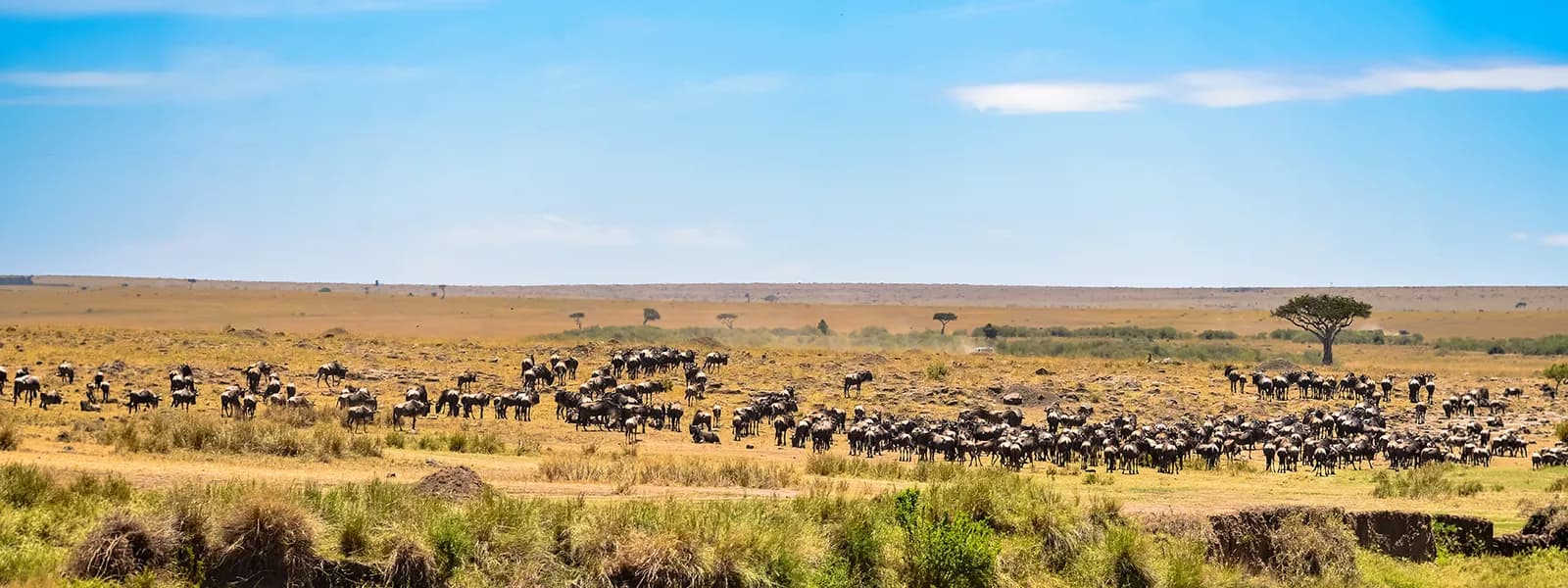
Serengeti Safari Trends: When Most Travelers Visit and Why
Discover the best time for a Serengeti safari by understanding when most travelers visit, what attracts them each season, and how timing shapes the overall wildlife experience.

by Gervas Ngikari
Fri May 15 2026
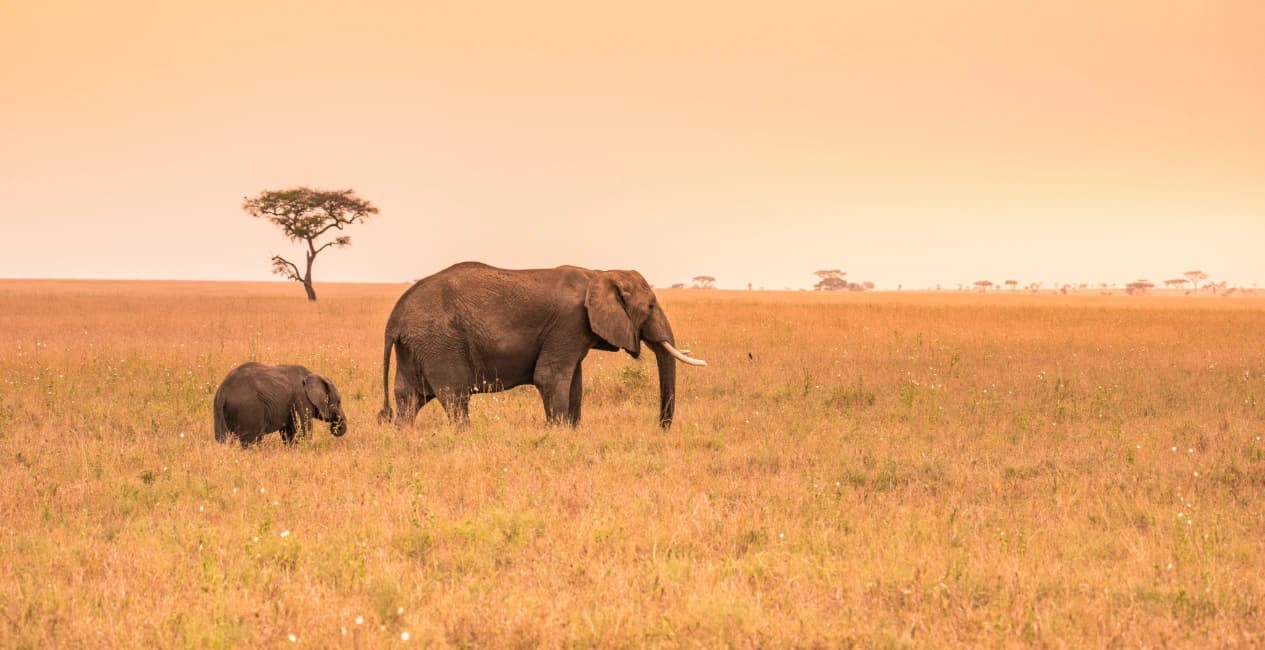
Serengeti safari trends show that choosing the right time to visit is important, as it defines your overall experience. Most travelers visit from late June to October (dry season) for intense wildlife viewing and the Great Migration.
Based on real travel experiences in Tanzania and expert safari insights, 2026 travel trends involve intimate and high-quality viewing. Imara Kileleni Safaris designs personalized and slow-paced itineraries, focusing on your travel preferences. With Serengeti’s vast size, they visit regions according to seasonal trends like the calving season (January to February). Whether as a group, family, or solo, they follow wildlife movement while maintaining eco-friendly encounters.
This Serengeti travel guide discusses timing, migration, weather, and crowd patterns to help travelers plan for a rewarding Tanzania Safari experience. Next, we examine specific seasonal trends and what they mean for your journey.Peak Season Trends: When Most Travelers Visit the Serengeti
The Best time to visit Serengeti is from June to October, when the skies are sunny, the humidity is low, and major wildlife events occur. This season brings out a lot of safari enthusiasts, dying to witness the dramatic Mara River crossings. Grasslands dry up, and animals gather around water sources, making it easy to spot them.
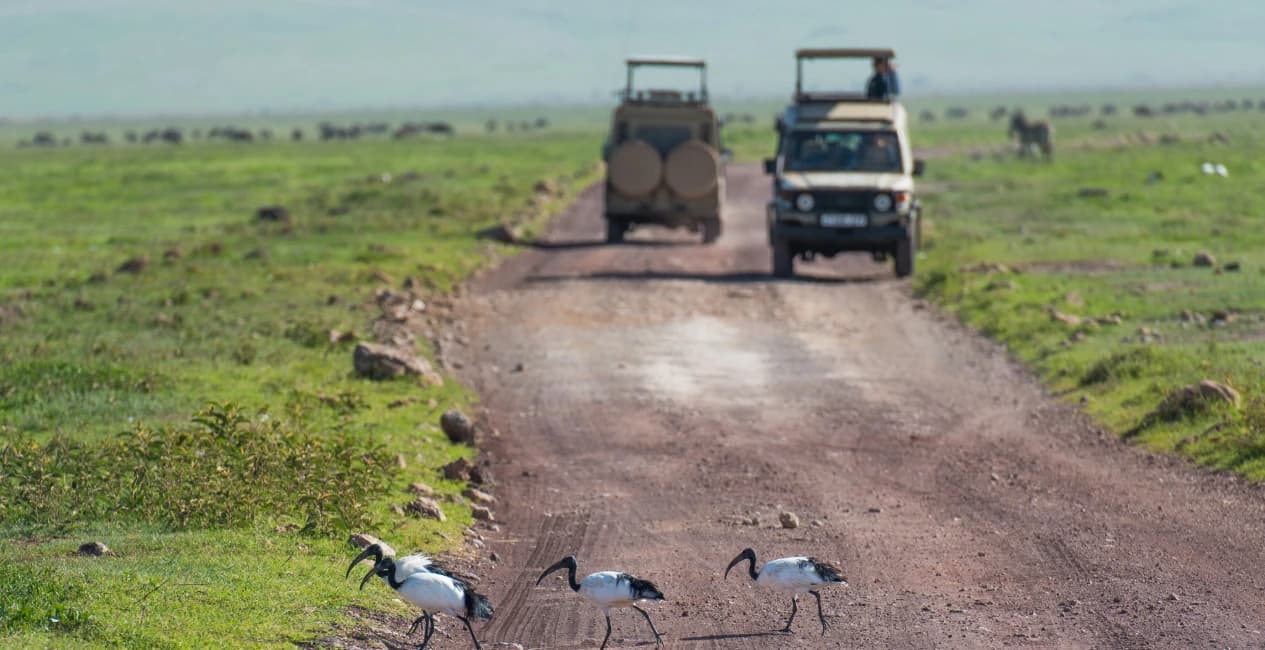
Peak season trends and highlights:
The dry season (June to October).
Great Migration River crossings.
Easier wildlife spotting.
Comfortable weather conditions.
High tourist demand.
Based on real travel experiences in Tanzania, the Great Migration is a year-long movement through various regions. Over one million wildebeest cross crocodile-filled rivers, creating high demand and influencing global visits. This results in a 30-40% increase in prices for accommodation, flights, and tours, making early bookings essential.
Planning to visit during peak season? Explore our Tanzania Safari Packages to secure availability and expert-guided experiences.
Shoulder and Off-Season Travel: Hidden Advantages
Tanzania safari seasons differ, allowing travelers to visit at their preferred time. The shoulder season (November-December, March) or off-season (April-May) includes 20-40% lower costs, a smaller number of people, and green scenic landscapes. These lush terrains offer great photography moments with great bird viewing.
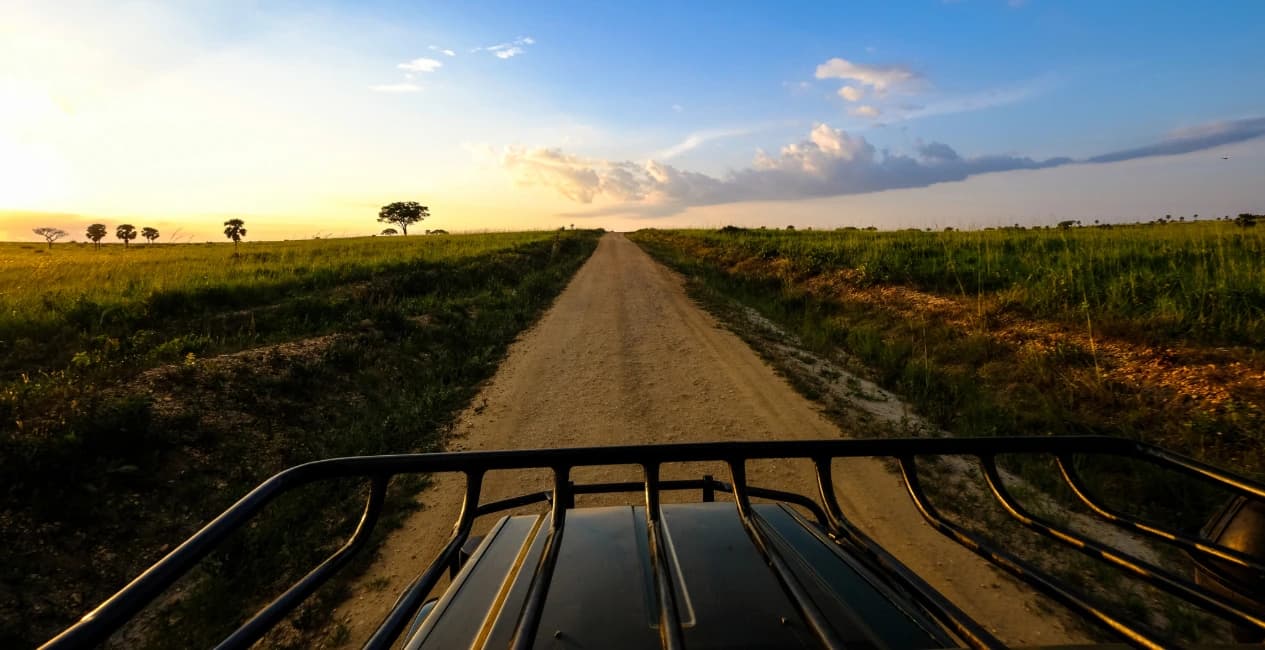
Even better, visitors enjoy unshared sightings of the “baby season” (January - February) with high predator activity in the Serengeti National Park — providing raw and peaceful safari experiences.
Hidden advantages include:
Fewer crowds.
Lower safari costs.
Lush landscapes and photography opportunities.
Calving season wildlife activity.
Safari experts and guides emphasize that off-season travel can be equally rewarding. Fewer crowds mean uninterrupted wildlife sightings and quieter game drives that enhance a deeper connection with nature. This season also guarantees discounts and special offers because of lower demand. Photographers thrive more in this season because of how “alive” the land becomes. From vibrant landscapes to moody lighting to new life moments and intimate predator-prey activity.
The Role of the Great Migration in Travel Trends
The Great Migration is one of the primary drivers of Serengeti travel trends. It acts as a significant marketing tool for Serengeti, protecting its ecological health. This legendary occurrence greatly impacts safari pricing, habitation, and travel timing–ensuring the region remains a top global safari destination.
Current 2026 trends show that itineraries follow the Serengeti migration timing, which influences seasonal patterns in Tanzania — from river crossings to calving season and quieter, lower seasons. Visitors are slowly moving from mere herd spotting to guided, educational safaris that discuss the environmental impact of the movement.
Key trends driven by the Great Migration:
Seasonal movement of wildebeest.
River crossings (July-September).
Calving season (January-February).
Predator-prey interactions.
Ever-changing safari routes.
Based on real travel experiences in Tanzania, no two safaris are the same in Serengeti National Park. This is due to its large size, unpredictable migration routes, high wildlife density, and seasonal changes– making every experience unique. Not forgetting, it's different landscapes that span from central savannahs to northern woodlands. Travelers need to plan their travel dates around the Great Migration because it is a circular and continuous movement driven by rain and instinct.
Guides track this movement with their local knowledge and environmental cues, like looking at weather conditions and animal behavior, and radio communication with their colleagues.
How to Choose the Best Time Based on Your Travel Style
Most tourists wonder “when to go on a Tanzania Safari,” especially when visiting the Serengeti. Simply, the best time depends on your priorities and budget. Whether you are a first-time traveler, a private or group visit, a photography fanatic, or a bird lover, Tanzania has something for everyone.
June-October has great demand for game viewing and the migration, January-February offers high predator activity due to new babies, and November-December provides intimate, serene, and lush experiences. April-May is ideal for budget and birding travelers, still offering high-value encounters.
Travel Style features:
Wildlife-focused travelers.
Budget-conscious travelers.
Photography enthusiasts.
First-time safari travelers.
Luxury and exclusive travel seekers.
Experienced travel experts suggest that choosing the right season depends on personal travel goals. That is determining if you are seeking peak, easy-to-spot wildlife and great river crossings or peaceful, calving, and vibrant scenery. Personalized planning aligns you with your season of choice, maximizing sightings while prioritizing comfort and flexibility. It also secures you private guided game drives and accommodations that align with your personal choices. Tourists need to understand that high costs guarantee unshared experiences, unlike low prices that mean shared moments.
Final Thoughts on Serengeti Safari Travel Trends
Although each travel season offers something unique, timing plays a key role in your overall experience. Choosing operators with personalized planning and itineraries guarantees plenty of wildlife sightings and iconic encounters, like the Great Migration—whether you visit during the dry or green season.

14 Days Mid-range Wildlife Drive-in Safari
14 Days
Tanzania
Tanzania Safari Tours often promise a lot, but this journey finds its own way of surprising you. Fourteen days unfold across landscapes that feel both untamed and familiar—Tarangire’s slow-moving elephants, Manyara’s soft forests, and Serengeti’s vast, breathing plains. Then comes Ngorongoro, a world hidden inside a globe. By the time Zanzibar’s quiet beaches take over the rhythm, the trip feels less like an itinerary and more like a story slipping into place, one moment at a time.
On Request

8 Days Fly-In Drive-Out Budget Cultural Safari
8 Days
Tanzania
Eight days stretch out in front of you, each carrying its own rhythm and small surprises. A quick flight lifts you straight into northern Serengeti, where the landscape feels wider than expected, and the wildlife moves with purpose. Central Serengeti deepens the pace, showing its tougher, wilder side. Ngorongoro pulls you inward with its sheer depth and crowded crater floor. Lake Manyara adds colour and bird calls. Tarangire closes the journey with elephants and tall, stubborn baobabs. Everything feels connected by the end of this Safari in Tanzania.
On Request

7 Days Wildlife Budget Cultural Fly in Safari
7 Days
Tanzania
This week-long Tanzania Safari keeps shifting between excitement and stillness. The Serengeti brings the big, bold moments—lions moving through grass, herds stretching far ahead. Ngorongoro adds weight with its vast crater and thick concentration of wildlife. Lake Manyara softens the days with forests, birds, and a few unexpected sightings. Ending with the Hadzabe gives the journey a human heartbeat, something you remember long after the wildlife fades from view.
On Request

12 Days Mid-Range Cultural Drive in Safari
12 Days
Tanzania
This 12-day journey gathers some of the most meaningful Safaris in Tanzania into one slow, steady route. Tarangire sets the tone with elephants and open country. Lake Eyasi adds culture and connection. The Serengeti widens everything—sky, distance, and the feeling of being part of something larger. Ngorongoro brings wildlife even closer, and Zanzibar closes the trip with calm shores and warm evenings. Each part shifts gently into the next, creating a well-paced adventure.
On Request

9 Days Drive-in Drive-out Budget Wildlife Safari
9 Days
Tanzania
Nine days stretch wide across Tanzania, each carrying its own kind of wonder. Tarangire begins the story with elephants moving through dust-light, then Lake Manyara shifts the mood with forests, birds, and quiet water. Serengeti changes everything—first the open central plains, then the softer southern grasslands where life gathers in significant numbers. Ngorongoro deepens the journey with its ancient crater, which holds wildlife tightly together. These Tanzania Safari days feel long in the best way, shaped by early starts, moving herds, and unexpected stillness.
On Request

7 Days Drive-In Drive-Out Luxury Safari
7 Days
Tanzania
Luxury on the road feels different here. It’s slower, softer, almost deliberate. Tarangire begins the journey with quiet mornings and elephants drifting like old secrets across open spaces. The Serengeti stretches the days wide, letting you fall into its rhythm without noticing. Ngorongoro lifts and lowers your breath with its deep, ancient bowl of life. Manyara closes the week in a forest humming with stories. These seven days on a Safari in Tanzania are shaped by comfort but grounded in the raw truth of the land.
On Request

6 Days Drive-in Drive Out Mid-Range Wildlife Safari
6 Days
Tanzania
This Tanzania Safari Package involves a road journey that grows fuller with every mile. Tarangire wakes the trip with big skies and slow-moving elephants. The Serengeti stretches everything wider, letting the days feel longer than they are. Ngorongoro pulls you downward into a world that feels almost protected from time. Manyara finishes the story in a forest where monkeys chatter before the sun settles. Six days, many moods, and a safari that feels neither rushed nor polished—just authentic, steady, and deeply memorable.
On Request

5 Days Cultural Budget Fly-in- Safari
5 Days
Tanzania
This five-day fly-in Tanzania safari gives you a fast, exciting sweep across Tanzania’s most iconic landscapes without losing the small, human moments that make travel feel real. You fly straight into the Serengeti, touch the Ngorongoro Crater floor, and drift through Tarangire’s warm, elephant-filled valleys. It’s a trip built for travelers who want the wild up front but prefer simple, grounded comfort throughout. Each day feels different, carrying its own rhythm, its own surprise, its own story.
On Request

3-Days Tanzania Safari
3 Days
Tanzania
A 3-day Tanzania safari moves fast, yet somehow settles deeply. You arrive, travel-tired and with a quiet spark of excitement, and the country meets you softly. Tarangire wakes you up with elephants drifting between baobabs, dust rising like a slow breath. Ngorongoro pulls you into a world that feels older than anything you know. Three days aren’t long, but they hold enough wonder to stay with you long after you’re home.
On Request
14 Days Mid-range Wildlife Drive-in Safari
14 Days
Tanzania
Tanzania Safari Tours often promise a lot, but this journey finds its own way of surprising you. Fourteen days unfold across landscapes that feel both untamed and familiar—Tarangire’s slow-moving elephants, Manyara’s soft forests, and Serengeti’s vast, breathing plains. Then comes Ngorongoro, a world hidden inside a globe. By the time Zanzibar’s quiet beaches take over the rhythm, the trip feels less like an itinerary and more like a story slipping into place, one moment at a time.
On Request
8 Days Fly-In Drive-Out Budget Cultural Safari
8 Days
Tanzania
Eight days stretch out in front of you, each carrying its own rhythm and small surprises. A quick flight lifts you straight into northern Serengeti, where the landscape feels wider than expected, and the wildlife moves with purpose. Central Serengeti deepens the pace, showing its tougher, wilder side. Ngorongoro pulls you inward with its sheer depth and crowded crater floor. Lake Manyara adds colour and bird calls. Tarangire closes the journey with elephants and tall, stubborn baobabs. Everything feels connected by the end of this Safari in Tanzania.
On Request
7 Days Wildlife Budget Cultural Fly in Safari
7 Days
Tanzania
This week-long Tanzania Safari keeps shifting between excitement and stillness. The Serengeti brings the big, bold moments—lions moving through grass, herds stretching far ahead. Ngorongoro adds weight with its vast crater and thick concentration of wildlife. Lake Manyara softens the days with forests, birds, and a few unexpected sightings. Ending with the Hadzabe gives the journey a human heartbeat, something you remember long after the wildlife fades from view.
On Request
At Imara Kileleni Safaris, our experienced guides use deep local knowledge and real-time wildlife insights to help you plan your Serengeti Safari at the perfect time–ensuring a seamless, personalized, and unforgettable journey.
Ready to experience Serengeti’s raw, untamed moments? Explore our Tanzania safari packages and contact our safari experts for tailored planning that meets your travel expectations.
Related Blog
Everything you need to know before planning your safari

Serengeti Calving Season 2027: A New Year Tanzania Safari to Witness New Life
Witness the Great Migration’s calving season in the Serengeti during a New Year 2027 Tanzania safari, with newborn wildebeest and incredible wildlife encounters.

Should You Book a Tanzania Safari at Christmas 2026 or choose a January 2027 Safari?
Compare Christmas 2026 and January 2027 safaris in Tanzania to choose the best time for wildlife viewing, weather, and holiday experiences.

Questions to Ask a Tanzania Safari Tour Operator Before Booking Your Christmas Holiday
Ask the right questions about safari costs, wildlife experiences, accommodation, and travel arrangements to plan a memorable Tanzania Christmas holiday.

Your Tailor-Made Serengeti Luxury Safari - What to Expect & How to Plan It
A practical guide to planning a personalized Serengeti safari with luxury stays, wildlife experiences and expert travel tips.

Tanzania Safari Recommendations - Our Team’s Personal Favorite Places
Our team’s favorite safari destinations, chosen for wildlife, scenery, and unforgettable experiences.

When Should You Book a Tanzania Safari? A Practical Booking Guide for 2027
Find out when to book your Tanzania safari for 2027, from peak-season planning to last-minute trips, with practical tips for choosing the right time.

Tanzania Safari for Wildlife Enthusiasts - How to Plan a Trip Around Specific Animals
Plan a Tanzania safari around the animals you most want to see, from the Big Five to cheetahs, elephants, wildebeest, and rare predators.

Return Safari Tanzania - Why Repeat Travellers Fall in Love All Over Again
Discover why returning to Tanzania brings new wildlife encounters, hidden gems, changing landscapes, and unforgettable safari experiences.

Game Drives in Tanzania - What to Expect from Serengeti to Beyond
Experience Tanzania’s wildlife up close with guided game drives, from the Serengeti’s big cats to the diverse landscapes beyond.

What to Know Before a Tanzania Safari - Essential Things Every Traveler Should Know
Essential Tanzania safari tips covering the best time to visit, what to pack, park rules, costs, health, and what to expect on your trip.

Tanzania Safari National Parks: The Best Places to See Wildlife in 2026
Explore Tanzania’s top national parks, from the Serengeti to Tarangire, and discover where to see Africa’s most iconic wildlife in 2026.

Tanzania Safari for Solo Travelers - What You Need to Know
Plan a safe, flexible, and unforgettable Tanzania safari with practical tips for solo travelers.

Tanzania Safari Tipping Guide - How Much Should You Tip Your Safari Guide and Camp Staffs?
A practical guide to tipping safari guides, drivers, camp staff, and other service teams in Tanzania.

Tanzania Safaris - When and Where to See the Great Migration
The Great Migration is mainly seen in the Serengeti, where millions of wildebeest, zebras, and gazelles move across the plains in search of fresh grazing and water.

What Animals Can You See on a Tanzania Safari - Complete Wildlife Guide
Explore Tanzania’s incredible wildlife, from the Big Five and iconic predators to elephants, giraffes, zebras, wildebeest, and diverse birdlife.

How to Choose the Right Tanzania Safari Itinerary for Your Trip
Plan the Perfect Tanzania Safari Around Your Time, Interests and Travel Style

Private vs Group Tanzania Safari: What Is the Difference?
Compare the flexibility, cost, privacy, and experience of private and group Tanzania safaris.

Serengeti vs Ngorongoro vs Tarangire: Which Tanzania Safari Parks Should You Visit?
Compare Tanzania’s Top Safari Parks for Wildlife, Scenery, and Safari Experiences.

How Many Days Do You Need for a Tanzania Safaris?
Explore the ideal safari duration, from short wildlife escapes to immersive Tanzania safari adventures.

Arusha Walking Safari Experience - Swati and Arpit's Journey into Tanzania's Wild
A Step-by-Step Adventure Through Arusha’s Untamed Wilderness, Wildlife, and Natural Beauty.

The German Guide to Tanzania Visas - Everything You Need Before You Book Your Safari
A Complete Guide for German Travelers on Visa Requirements, Applications, and Entry Rules for a Hassle-Free Tanzanian Safari.

From France to the Serengeti: A Couple's First Encounter with the Great Migration
A Romantic African Escape Filled with Wildlife, Wonder, and Discovery

Why French Travellers Choose Tanzania for Their Dream Safari Experience
Explore the breathtaking wildlife, luxury lodges, and unforgettable adventures that make Tanzania a favorite safari destination for French visitors.

A Great Tanzania Safari Starts with a Great Safari Guide - Here's Why
Discover How an Expert Safari Guide Can Turn Your Tanzania Adventure into an Unforgettable Wildlife Experience

What is the best time to visit Tanzania for a safari?
The best time for a Tanzania safari is generally from June to October for dry-season wildlife viewing, while January to March is ideal for the Serengeti calving season.

From Frankfurt to Kilimanjaro Airport - The Best Routes for Your Tanzania Safari
Discover the fastest flight routes, airline options, and travel tips for a smooth journey from Frankfurt to Kilimanjaro Airport and your unforgettable Tanzania safari.

Serengeti Shall Not Die - The Legacy of Bernhard Grzimek for German Travelers
Discover how Bernhard Grzimek's conservation vision continues to inspire German travelers exploring Tanzania's iconic Serengeti National Park.

The Silence of a Tanzania Safari at Sunrise
Experience the peaceful moments of dawn as Tanzania's wilderness awakens with the first light of day.

How Predators and Prey Interact in Tanzania National Parks
Explore the fascinating balance of survival in Tanzania’s national parks, where predators hunt, prey adapt, and every encounter shapes the rhythm of the wild ecosystem.

How Wildlife Reacts to Safari Vehicles?
Discover how safari vehicles influence animal behavior and learn why most wildlife views them as a harmless part of their natural environment.

The Difference Between Seeing Wildlife and Experiencing Wildlife
Go beyond simple sightings and connect with nature through immersive safari moments, where every animal encounter, landscape, and sound creates unforgettable memories in the wild.

How Different Weather Conditions Change Safari Experiences
Weather conditions shape every safari experience, from lush green landscapes and newborn wildlife during rainy seasons to dramatic wildlife sightings, migrations, and clear game-viewing opportunities in dry seasons.

Why Two Travelers Experience the Same Safari Differently
No two travelers experience the same safari in the same way because changing wildlife behavior, weather, timing, guide perspective, and personal interests create completely unique and unrepeatable moments for each journey.

Why Some Safari Moments Cannot Be Captured on Camera
Some safari experiences go beyond what a camera can capture—from the distant roar of a lion and the scent of the wild to the emotions of witnessing nature unfold in real time, creating memories that stay with you long after the journey ends.

Why Every Game Drive in Tanzania Feels Completely Different
Every game drive in Tanzania offers a unique experience, with changing landscapes, wildlife encounters, animal behaviors, and natural conditions ensuring that no two safaris are ever the same.

How Tanzania Safari Ecosystems Support Wildlife Survival
Discover how Tanzania’s diverse ecosystems—from the Serengeti plains to the Ngorongoro highlands—provide food, water, shelter, and migration routes that are essential for wildlife survival.

How Professional Safari Guides Track Wildlife in Tanzania
Discover how expert safari guides in Tanzania use animal tracks, sounds, scents, and behavior patterns to locate wildlife in the wild. Their deep bush knowledge transforms every safari into an authentic and unforgettable adventure.

How Safari Vehicles Influence Wildlife Experiences in Tanzania
Safari vehicles in Tanzania play a crucial role in shaping wildlife experiences by influencing comfort, visibility, accessibility, safety, and the overall quality of game viewing during safari adventures.

The Difference Between Standard and Premium Tanzania Safari Experiences
Discover the key differences between standard and premium Tanzania safari experiences, from accommodation and wildlife viewing to personalized services, comfort, flexibility, and exclusive safari adventures.

What Safari Guides See That Travelers Usually Miss
Discover the hidden wildlife behaviors, subtle animal movements, and untold bush details that experienced safari guides notice long before most travelers do.

What Luxury Really Means on a Tanzania Safari
Luxury on a Tanzania safari is not just about five-star lodges, but about personalized experiences, private game drives, expert guides, seamless service, and unforgettable moments in the wild.

From Sunrise to Starlight: A Full Day on the Best Safari in Tanzania
Experience the magic of Tanzania from sunrise game drives to starlit evenings, where every moment on safari brings unforgettable wildlife encounters, breathtaking landscapes, and authentic African adventure.

Why Travelers Say the Serengeti Feels More “Alive” Than Other Safari Parks
The Serengeti feels more “alive” because wildlife moves freely across endless plains, creating nonstop natural drama and unforgettable safari moments.

Tanzania Safari in Serengeti National Park: The Good, The Bad, and The Dust
A Serengeti safari delivers unforgettable wildlife encounters, breathtaking landscapes, and raw adventure — but travelers should also prepare for long drives, dusty roads, and unpredictable wilderness conditions.

Safari to Tanzania: Complete Guide, Costs, and Travel Tips (2026)
Plan your perfect Tanzania safari in 2026 with expert tips on costs, best parks, travel seasons, wildlife experiences, and safari planning essentials.

Best Tanzania Safari Company: How to Choose the Right One in 2026
A complete guide to choosing the best Tanzania safari company in 2026 by comparing experience, safety, guides, reviews, customization, pricing transparency, and overall safari quality for an unforgettable African adventure.
Serengeti Calving Season 2027: A New Year Tanzania Safari to Witness New Life
Witness the Great Migration’s calving season in the Serengeti during a New Year 2027 Tanzania safari, with newborn wildebeest and incredible wildlife encounters.
Should You Book a Tanzania Safari at Christmas 2026 or choose a January 2027 Safari?
Compare Christmas 2026 and January 2027 safaris in Tanzania to choose the best time for wildlife viewing, weather, and holiday experiences.
Questions to Ask a Tanzania Safari Tour Operator Before Booking Your Christmas Holiday
Ask the right questions about safari costs, wildlife experiences, accommodation, and travel arrangements to plan a memorable Tanzania Christmas holiday.