Tanzania Safari Tipping Guide - How Much Should You Tip Your Safari Guide and Camp Staffs?
A practical guide to tipping safari guides, drivers, camp staff, and other service teams in Tanzania.

by Gervas Ngikari
Tue Sep 29 2026

For most travelers, a sensible starting
point is US$15–25 per person per day for a safari guide or
driver-guide, and around US$5–15 per person per night for camp or lodge
staff. Traveling on a camping safari? You may also want to budget roughly US$5–15
per person per day for the safari cook. These are general guidelines, not fixed
charges.
Tipping is a common way to say thank you
to the people who make a Tanzania safari special. Your guide may spend long
days tracking wildlife and sharing what they know, while camp staff work
quietly in the background on meals, housekeeping and hospitality. This Tanzania
Safari Tipping Guide covers what to tip, when to give it, and which
currency to carry, so you can plan the safari budget with confidence and enjoy
the trip without the guesswork.
How Much Should You Tip a Safari Guide in Tanzania?
A Practical Tanzania Safari
tipping guideline is US – 5 to 15 per person per night. Tipping is
customary but discretionary, and the exact amount can shift with your safari
type, group size, the service you receive, and your operator's recommendations.
Key Facts About Tanzania Safari Tipping
- Safari guide: A practical guideline is around US$15–25 per person per day.
- Camp and lodge staff: Around US$5–15 per person per night is a useful guideline.
- Safari cook: Consider approximately US$5–15 per person per day on camping safaris.
- Transfer driver: Around US$5–10 per transfer may be appropriate for good service.
- Porters: Around US$1–3 per service or bag can be considered.
- When to tip: Safari guides are generally tipped at the end of the safari.
- Currency: US dollars and Tanzanian shillings can both be used, and small denominations are convenient.
- Is tipping mandatory: No. Tipping is customary and appreciated but remains discretionary.
- Per person or vehicle: This depends on the safari operator, so confirm the arrangement before departure.
- Camp tip boxes: Where available, communal tip boxes let appreciation be shared across the wider camp team.
Is Tipping Expected on a
Tanzania Safari?
Tipping is a familiar part of Tanzania's
safari and tourism industry, and it's commonly used to show appreciation for
good service. Guides, drivers, cooks, camp employees and other tourism
professionals work hard to keep a journey safe, comfortable and memorable. That
said, tipping isn't a government fee or a mandatory charge. It's better seen as
a personal thank-you based on the service and experience you received.
Different safari companies give different
tipping recommendations, which is why travelers sometimes run into conflicting
advice online. Private safaris, group safaris, camping trips and lodge-based
itineraries can all work differently. The number of travelers, and whether your
guide also drives, can shift the recommendation too. Before the safari starts,
ask your operator how tipping works for your specific trip.
How Much Should You Tip a Safari Guide in Tanzania?
Your Tanzania Safari Guide
is usually the most important person to plan for in the tipping budget. A
practical guideline is roughly US$15–25 per person per day for a safari
guide or driver-guide. Treat that as a starting point rather than a fixed
national rate. Adjust it for the experience you had, the service you received
and your own budget.
A Tanzania Safari Guide does far more
than drive through a national park. Guides explain wildlife behavior, identify
animals and birds, describe Tanzania's ecosystems, plan game drives, talk to
other guides about sightings, and reshape the day around what guests want to
see. They may help with photography, answer endless questions, coordinate with
camps and solve problems as they come up. Their knowledge and experience can
change the whole quality of a safari.
Should You Tip Your Driver and Safari Guide Separately?
On many Tanzania Safaris,
especially private ones, a single professional works as both driver and guide.
In that case you generally don't need to think of it as two separate tips. Your
operator can explain how the arrangement works and whether the recommended
amount covers the combined driver-guide role.
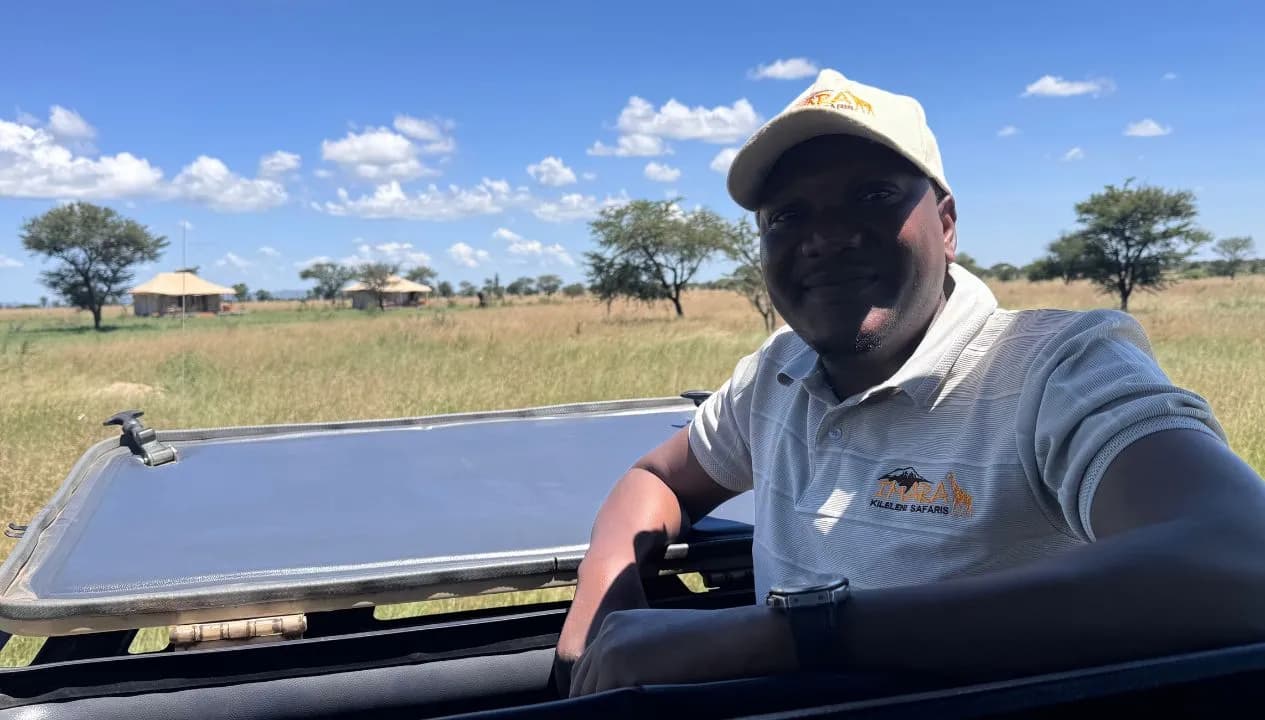
If your safari has a separate driver and
guide, the arrangement may be different. Some operators give separate
recommendations, while others run their own system for sharing tips among
staff. Rather than relying on a general figure from another company, ask your
operator before departure. At Imara Kileleni Safaris, our team can explain the
tipping arrangements that apply to your particular itinerary.
How Much Should You Tip Camp and Lodge Staff in Tanzania?
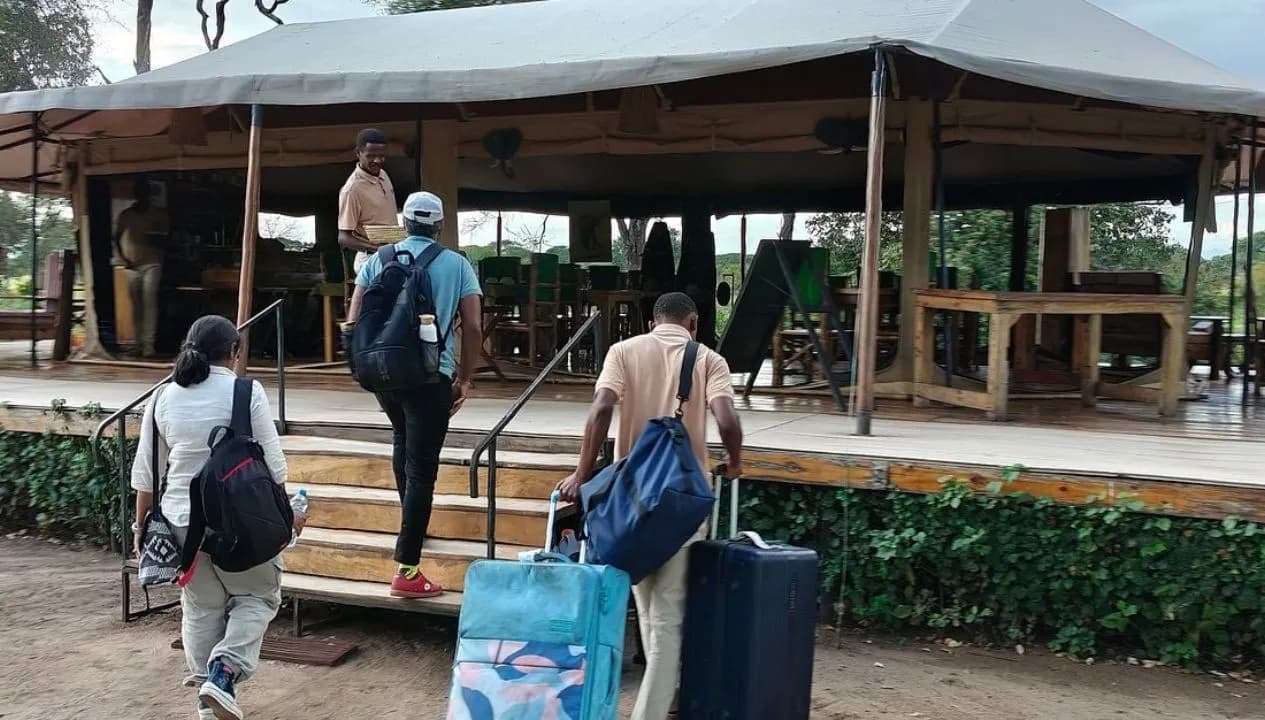
A safari involves many people besides the
guide. At a lodge or tented camp, housekeeping teams, waiters, cooks, camp
attendants, laundry staff and others all contribute to your stay. A practical
guideline for camp and lodge staff is approximately US$5–15 per person per
night, though the right amount can vary with the property and its tipping
system.
Many safari camps and lodges provide a
communal tip box. Where there is one, you make a single contribution that gets
shared across the wider team. That helps a lot, because plenty of staff work
behind the scenes and may never meet guests directly. Not sure whether a
property uses a tip box? Ask the camp manager or your safari operator.
How Much Should You Tip
a Safari Cook?
On a camping safari, the cook is a big
part of the experience. Safari cooks prepare meals in remote places with
limited facilities, and they make sure guests eat fresh, good food throughout
the journey. A practical guideline is approximately US$5–15 per person per
day, depending on the safari arrangement and the service provided.
The exact arrangement for cooks varies
between operators. Some cooks are dedicated to one group, while others work as
part of a larger safari operation. If you're unsure whether the cook should get
a separate tip, ask your safari company before traveling. Sorting it out early
makes the final day much easier.
When Should You Give Your Safari Guide a Tip?
Most travelers give the main safari
guide's tip at the end of the Safari. That lets you experience the whole
journey before deciding how much to give. By the last day you've seen the
guide's knowledge, communication, driving, flexibility and wildlife expertise,
and you can weigh all of it fairly.
There's generally no need to work out or
hand over a tip every morning. Put the money in an envelope and give it
directly to your guide with a personal thank-you. For camp and lodge employees,
use the communal tip box where one is provided. Unsure about timing? Your
safari operator or accommodation team can explain the usual procedure.
What Currency Should You
Use for Tipping in Tanzania?
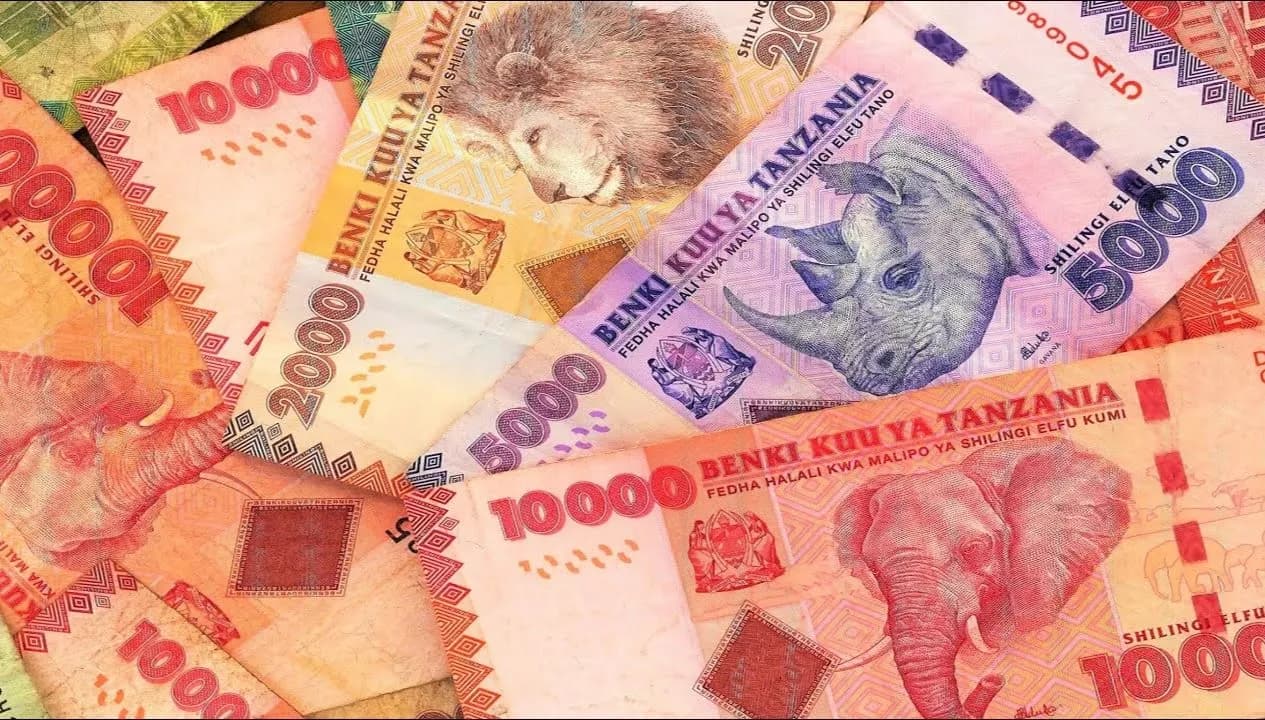
US dollars are usually the most convenient option for international travelers tipping on safari. Carry smaller denominations such as US$5, US10 and US$20, so you can tip without needing change. Tanzanian shillings can also be used and are handy for smaller local purchases and services. Avoid relying only on large banknotes, since finding change isn't always easy in remote safari areas.
If you're bringing US dollars, carry
clean, usable notes in smaller denominations. It's also worth asking your
operator about its currency preferences before you travel. They can give
practical advice based on your itinerary, accommodation and the people who will
be looking after you.
How Much Should You Budget for Tips on a 7-Day Tanzania Safari?
Planning the tipping budget before you
leave home takes a lot of uncertainty out of safari expenses. Take two
travelers on a seven-day safari who decide to tip their guide US$20 per
person per day. The match is US$20 multiplied by two travelers and seven
days, which comes to US$280 for the guide. Camp and lodge staff are then
considered separately, based on the number of nights and the property's tipping
arrangement.
Your actual budget may run higher or
lower depending on safari style, accommodation, group size and personal
preference. Private safaris with dedicated staff can work differently from
shared group safaris or camping trips. The best approach is to build a
reasonable tipping allowance into the overall safari budget from the start, so
tipping feels like a planned expense rather than a surprise.
Tanzania Safari Tipping Do's and Don'ts
A few simple habits make tipping much
easier. Do carry small denominations, ask your operator about its recommended
tipping system, think about the quality of service you received, and remember
the people working behind the scenes at camps and lodges. If your accommodation
has a communal tip box, using it is an easy way to recognize the wider team.
At the same time, don't assume tipping is
compulsory or that every safari company follows the same system. Don't feel
pressured to give more than you can comfortably afford, and don't assume a
guide and a driver always need separate tips. Most importantly, plan the
tipping budget before departure, so you can enjoy the safari without worrying
about the details at the end.
A Note from Imara Kileleni Safaris
At Imara Kileleni Safaris, we
believe planning a Tanzania safari should be as enjoyable and straightforward
as the trip itself. Tipping shouldn't add stress or confusion before you leave.
Our local team can explain the arrangements for your specific safari, including
your guide, driver, camp staff, cook and other service providers.
Every safari is different, which is why
personalized advice is more useful than following a single tipping rule you
found online. Whether you're planning a private safari, a family adventure, a
camping journey or a longer Tanzania itinerary, our team can help you
understand the practical details before you travel.
Enjoy Your Tanzania Safari
Tipping is only a small part of a Tanzania Safaris
but understanding it before you go makes the whole experience more relaxed.
Plan the tipping budget, carry convenient denominations, and remember that tips
are a personal thank-you rather than compulsory payment. A thoughtful tip can
be a meaningful way to recognize the people who help make your safari
memorable.
No, Tipping is customary and appreciated,
but it is discretionary. Travelers should consider the service they receive and
give an amount that is comfortable for their personal budget.
A practical guideline is approximately US$5–15
per person per night. Where a communal tip box is available, your
contribution can be shared among the wider camp or lodge team.
No, many travelers give their main safari
guide a tip at the end of the safari, after they have experienced the
complete journey.
Both can be appropriate. US dollars are
commonly convenient for international safari travelers, while Tanzanian
shillings are useful for local purchases and smaller services. Carrying small
denominations is recommended.
This depends on the safari operator and
itinerary. Some companies recommend a per-person amount, while others may use a
group or vehicle-based recommendation. Always confirm the arrangement before
your safari.
Related Blog
Everything you need to know before planning your safari

Serengeti Calving Season 2027: A New Year Tanzania Safari to Witness New Life
Witness the Great Migration’s calving season in the Serengeti during a New Year 2027 Tanzania safari, with newborn wildebeest and incredible wildlife encounters.

Should You Book a Tanzania Safari at Christmas 2026 or choose a January 2027 Safari?
Compare Christmas 2026 and January 2027 safaris in Tanzania to choose the best time for wildlife viewing, weather, and holiday experiences.

Questions to Ask a Tanzania Safari Tour Operator Before Booking Your Christmas Holiday
Ask the right questions about safari costs, wildlife experiences, accommodation, and travel arrangements to plan a memorable Tanzania Christmas holiday.

Your Tailor-Made Serengeti Luxury Safari - What to Expect & How to Plan It
A practical guide to planning a personalized Serengeti safari with luxury stays, wildlife experiences and expert travel tips.

Tanzania Safari Recommendations - Our Team’s Personal Favorite Places
Our team’s favorite safari destinations, chosen for wildlife, scenery, and unforgettable experiences.

When Should You Book a Tanzania Safari? A Practical Booking Guide for 2027
Find out when to book your Tanzania safari for 2027, from peak-season planning to last-minute trips, with practical tips for choosing the right time.

Tanzania Safari for Wildlife Enthusiasts - How to Plan a Trip Around Specific Animals
Plan a Tanzania safari around the animals you most want to see, from the Big Five to cheetahs, elephants, wildebeest, and rare predators.

Return Safari Tanzania - Why Repeat Travellers Fall in Love All Over Again
Discover why returning to Tanzania brings new wildlife encounters, hidden gems, changing landscapes, and unforgettable safari experiences.

Game Drives in Tanzania - What to Expect from Serengeti to Beyond
Experience Tanzania’s wildlife up close with guided game drives, from the Serengeti’s big cats to the diverse landscapes beyond.

What to Know Before a Tanzania Safari - Essential Things Every Traveler Should Know
Essential Tanzania safari tips covering the best time to visit, what to pack, park rules, costs, health, and what to expect on your trip.

Tanzania Safari National Parks: The Best Places to See Wildlife in 2026
Explore Tanzania’s top national parks, from the Serengeti to Tarangire, and discover where to see Africa’s most iconic wildlife in 2026.

Tanzania Safari for Solo Travelers - What You Need to Know
Plan a safe, flexible, and unforgettable Tanzania safari with practical tips for solo travelers.

Tanzania Safaris - When and Where to See the Great Migration
The Great Migration is mainly seen in the Serengeti, where millions of wildebeest, zebras, and gazelles move across the plains in search of fresh grazing and water.

What Animals Can You See on a Tanzania Safari - Complete Wildlife Guide
Explore Tanzania’s incredible wildlife, from the Big Five and iconic predators to elephants, giraffes, zebras, wildebeest, and diverse birdlife.

How to Choose the Right Tanzania Safari Itinerary for Your Trip
Plan the Perfect Tanzania Safari Around Your Time, Interests and Travel Style

Private vs Group Tanzania Safari: What Is the Difference?
Compare the flexibility, cost, privacy, and experience of private and group Tanzania safaris.

Serengeti vs Ngorongoro vs Tarangire: Which Tanzania Safari Parks Should You Visit?
Compare Tanzania’s Top Safari Parks for Wildlife, Scenery, and Safari Experiences.

How Many Days Do You Need for a Tanzania Safaris?
Explore the ideal safari duration, from short wildlife escapes to immersive Tanzania safari adventures.

Arusha Walking Safari Experience - Swati and Arpit's Journey into Tanzania's Wild
A Step-by-Step Adventure Through Arusha’s Untamed Wilderness, Wildlife, and Natural Beauty.

The German Guide to Tanzania Visas - Everything You Need Before You Book Your Safari
A Complete Guide for German Travelers on Visa Requirements, Applications, and Entry Rules for a Hassle-Free Tanzanian Safari.

From France to the Serengeti: A Couple's First Encounter with the Great Migration
A Romantic African Escape Filled with Wildlife, Wonder, and Discovery

Why French Travellers Choose Tanzania for Their Dream Safari Experience
Explore the breathtaking wildlife, luxury lodges, and unforgettable adventures that make Tanzania a favorite safari destination for French visitors.

A Great Tanzania Safari Starts with a Great Safari Guide - Here's Why
Discover How an Expert Safari Guide Can Turn Your Tanzania Adventure into an Unforgettable Wildlife Experience

What is the best time to visit Tanzania for a safari?
The best time for a Tanzania safari is generally from June to October for dry-season wildlife viewing, while January to March is ideal for the Serengeti calving season.

From Frankfurt to Kilimanjaro Airport - The Best Routes for Your Tanzania Safari
Discover the fastest flight routes, airline options, and travel tips for a smooth journey from Frankfurt to Kilimanjaro Airport and your unforgettable Tanzania safari.

Serengeti Shall Not Die - The Legacy of Bernhard Grzimek for German Travelers
Discover how Bernhard Grzimek's conservation vision continues to inspire German travelers exploring Tanzania's iconic Serengeti National Park.

The Silence of a Tanzania Safari at Sunrise
Experience the peaceful moments of dawn as Tanzania's wilderness awakens with the first light of day.

How Predators and Prey Interact in Tanzania National Parks
Explore the fascinating balance of survival in Tanzania’s national parks, where predators hunt, prey adapt, and every encounter shapes the rhythm of the wild ecosystem.

How Wildlife Reacts to Safari Vehicles?
Discover how safari vehicles influence animal behavior and learn why most wildlife views them as a harmless part of their natural environment.

The Difference Between Seeing Wildlife and Experiencing Wildlife
Go beyond simple sightings and connect with nature through immersive safari moments, where every animal encounter, landscape, and sound creates unforgettable memories in the wild.

How Different Weather Conditions Change Safari Experiences
Weather conditions shape every safari experience, from lush green landscapes and newborn wildlife during rainy seasons to dramatic wildlife sightings, migrations, and clear game-viewing opportunities in dry seasons.

Why Two Travelers Experience the Same Safari Differently
No two travelers experience the same safari in the same way because changing wildlife behavior, weather, timing, guide perspective, and personal interests create completely unique and unrepeatable moments for each journey.

Why Some Safari Moments Cannot Be Captured on Camera
Some safari experiences go beyond what a camera can capture—from the distant roar of a lion and the scent of the wild to the emotions of witnessing nature unfold in real time, creating memories that stay with you long after the journey ends.

Why Every Game Drive in Tanzania Feels Completely Different
Every game drive in Tanzania offers a unique experience, with changing landscapes, wildlife encounters, animal behaviors, and natural conditions ensuring that no two safaris are ever the same.

How Tanzania Safari Ecosystems Support Wildlife Survival
Discover how Tanzania’s diverse ecosystems—from the Serengeti plains to the Ngorongoro highlands—provide food, water, shelter, and migration routes that are essential for wildlife survival.

How Professional Safari Guides Track Wildlife in Tanzania
Discover how expert safari guides in Tanzania use animal tracks, sounds, scents, and behavior patterns to locate wildlife in the wild. Their deep bush knowledge transforms every safari into an authentic and unforgettable adventure.

How Safari Vehicles Influence Wildlife Experiences in Tanzania
Safari vehicles in Tanzania play a crucial role in shaping wildlife experiences by influencing comfort, visibility, accessibility, safety, and the overall quality of game viewing during safari adventures.

The Difference Between Standard and Premium Tanzania Safari Experiences
Discover the key differences between standard and premium Tanzania safari experiences, from accommodation and wildlife viewing to personalized services, comfort, flexibility, and exclusive safari adventures.

What Safari Guides See That Travelers Usually Miss
Discover the hidden wildlife behaviors, subtle animal movements, and untold bush details that experienced safari guides notice long before most travelers do.

What Luxury Really Means on a Tanzania Safari
Luxury on a Tanzania safari is not just about five-star lodges, but about personalized experiences, private game drives, expert guides, seamless service, and unforgettable moments in the wild.

From Sunrise to Starlight: A Full Day on the Best Safari in Tanzania
Experience the magic of Tanzania from sunrise game drives to starlit evenings, where every moment on safari brings unforgettable wildlife encounters, breathtaking landscapes, and authentic African adventure.

Why Travelers Say the Serengeti Feels More “Alive” Than Other Safari Parks
The Serengeti feels more “alive” because wildlife moves freely across endless plains, creating nonstop natural drama and unforgettable safari moments.

Serengeti Safari Trends: When Most Travelers Visit and Why
Discover the best time for a Serengeti safari by understanding when most travelers visit, what attracts them each season, and how timing shapes the overall wildlife experience.

Tanzania Safari in Serengeti National Park: The Good, The Bad, and The Dust
A Serengeti safari delivers unforgettable wildlife encounters, breathtaking landscapes, and raw adventure — but travelers should also prepare for long drives, dusty roads, and unpredictable wilderness conditions.

Safari to Tanzania: Complete Guide, Costs, and Travel Tips (2026)
Plan your perfect Tanzania safari in 2026 with expert tips on costs, best parks, travel seasons, wildlife experiences, and safari planning essentials.

Best Tanzania Safari Company: How to Choose the Right One in 2026
A complete guide to choosing the best Tanzania safari company in 2026 by comparing experience, safety, guides, reviews, customization, pricing transparency, and overall safari quality for an unforgettable African adventure.
Serengeti Calving Season 2027: A New Year Tanzania Safari to Witness New Life
Witness the Great Migration’s calving season in the Serengeti during a New Year 2027 Tanzania safari, with newborn wildebeest and incredible wildlife encounters.
Should You Book a Tanzania Safari at Christmas 2026 or choose a January 2027 Safari?
Compare Christmas 2026 and January 2027 safaris in Tanzania to choose the best time for wildlife viewing, weather, and holiday experiences.
Questions to Ask a Tanzania Safari Tour Operator Before Booking Your Christmas Holiday
Ask the right questions about safari costs, wildlife experiences, accommodation, and travel arrangements to plan a memorable Tanzania Christmas holiday.